How to Plan a Destination Wedding
Published on April 15, 2026 | Reading time: 11 min
By Bérénice Cousin, Community Manager at HOMANIE
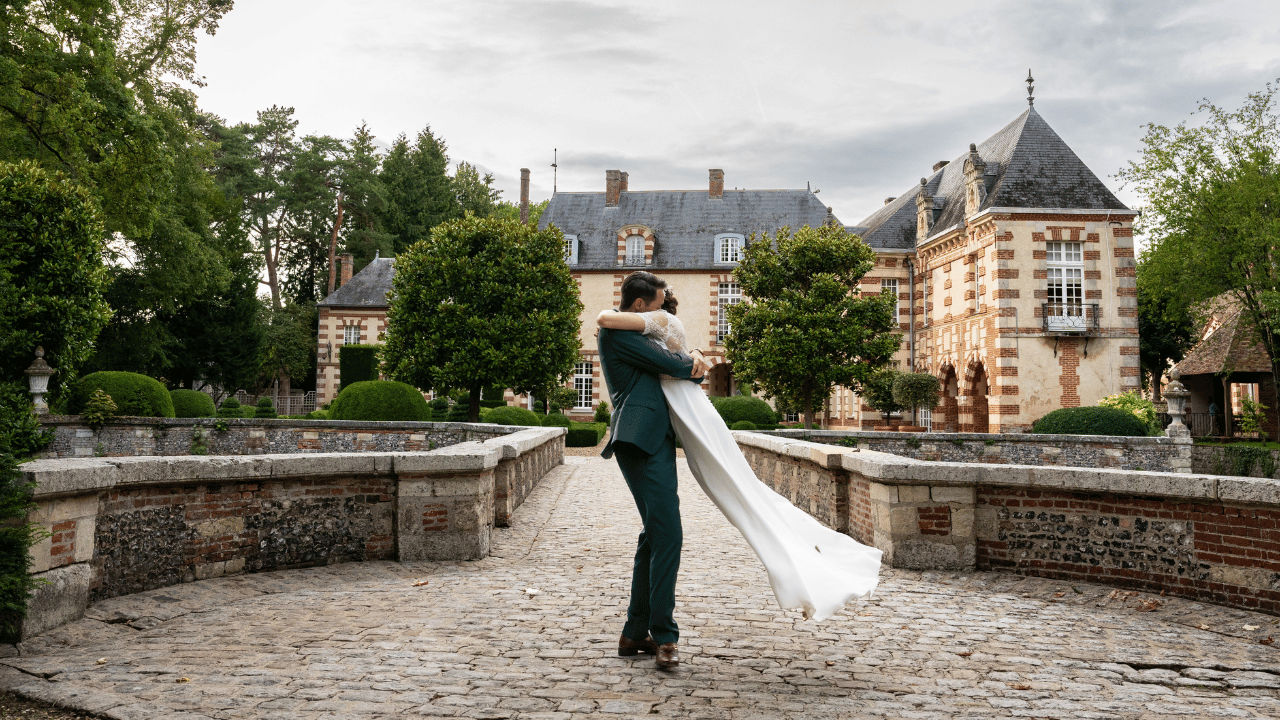
Destination weddings are experiencing an unprecedented surge in popularity, as couples increasingly seek meaningful, immersive celebrations beyond their home country. This shift reflects a broader trend: the move away from large, traditional ceremonies toward more intimate, refined experiences where quality, personalization, and atmosphere take precedence over scale. In this context, Europe has emerged as one of the most desirable regions, offering a unique blend of heritage, landscapes, and cultural richness that elevates any celebration. Alongside this evolution, new preferences are also shaping the way weddings are hosted, with private villas subtly redefining luxury by providing an exclusive and highly personalized alternative to conventional hotel venues.
Summary
What Is a Destination Wedding?
A destination wedding is a wedding celebration that takes place in a location away from the couple’s home, often in a setting that holds special meaning or offers a unique experience. Rather than organizing the event locally, couples choose to gather their guests in a different city or country, such as a seaside resort, a countryside estate, or a historic European venue for a multi-day celebration. More than just a change of location, a destination wedding is designed as an immersive experience. Often organized with the help of a wedding planner, it can combine the ceremony and reception with additional moments, such as welcome dinners or excursions, turning the celebration into a shared getaway for the couple and their guests. This format naturally leads to smaller, more intimate gatherings, where quality time and personalization are prioritized. Destination weddings are also closely associated with a sense of escape and exclusivity. Whether hosted in a private villa, a luxury hotel, or a scenic outdoor setting, they offer couples the opportunity to create a memorable event in a distinctive environment that reflects their style and vision.
Why Choose a Destination Wedding?
Choosing a destination wedding means turning your celebration into a truly memorable experience, for you and your guests. Beyond the ceremony itself, it offers a unique way to combine travel, emotion, and meaningful shared moments in an exceptional setting. One of the main reasons couples opt for a destination wedding is the opportunity to create a more intimate atmosphere. By hosting the event away from home, guest lists are often smaller and more intentional, allowing for deeper connections and a relaxed, convivial ambiance. It shifts the focus from a large-scale event to a more personal and immersive celebration. A destination wedding also allows you to choose a setting that reflects your vision. Whether it’s a seaside landscape, a countryside estate, or a historic city, the location becomes an integral part of the experience and enhances the overall aesthetic of the wedding.Another advantage is the ability to extend the celebration over several days. Welcome dinners, group activities, and post-wedding brunches transform the event into a shared getaway, giving guests time to connect and fully enjoy the occasion.
The 7 Steps to Plan a Destination Wedding
Planning a destination wedding is about balancing inspiration with organization. From selecting the ideal location to refining every detail on-site, each step plays a key role in creating a seamless and elevated experience. Here is a structured approach to guide you:
-
The destination sets the tone for your entire wedding. Whether you are drawn to a Mediterranean coastline, a Provençal countryside, or a historic European city, the location should reflect your vision and personal story. Consider accessibility for your guests, the best season to travel, and the overall atmosphere you want to create.
-
Your budget and guest list are closely connected and should be determined early on. A destination wedding often encourages a more intimate gathering, allowing you to focus on quality and experience. Be clear about what expenses you will cover and allocate your budget accordingly.
-
Choosing the venue is one of the most important decisions. Luxury villas, private estates, and boutique properties are increasingly favored for their exclusivity, privacy, and flexibility. Unlike traditional hotels, these venues allow you to fully personalize your wedding and create a unique, immersive setting for your celebration.
-
Each country has its own legal procedures for marriage, which can sometimes be complex. Research the necessary documents, timelines, and residency requirements well in advance. In some cases, couples choose to handle the legal ceremony in their home country and hold a symbolic celebration abroad.
-
Working with local professionals is essential for a smooth planning process. Wedding planners, caterers, photographers, and florists who are based in the destination bring valuable expertise and trusted networks. They can also help you navigate cultural nuances and logistical challenges.
-
A destination wedding is a multi-day experience, not just a single event. Think beyond the ceremony and reception by organizing welcome dinners, excursions, or farewell brunches. Providing clear travel information, transportation, and accommodation options will ensure your guests feel comfortable and well taken care of.
-
Whenever possible, plan a visit to your venue before the wedding. This allows you to meet vendors, visualize the setup, and confirm every detail from decor and layout to timing and coordination. A final on-site check ensures that everything aligns with your expectations and helps you feel confident ahead of the big day.
How Far in Advance Should You Plan a Destination Wedding?
Planning a destination wedding requires more anticipation than a traditional local celebration, as it involves travel, logistics, and coordination across different locations. Ideally, you should start planning 12 to 18 months in advance to ensure everything runs smoothly. This extended timeline allows you to secure the most desirable venues and gives you access to the best local vendors, who are often booked well ahead of time. It also provides your guests with enough notice to organize their travel, request time off work, and manage their budget. If you are considering a peak season wedding (such as summer in popular coastal or countryside locations), planning closer to 18 months in advance is highly recommended. For smaller, more intimate weddings or off-season dates, a shorter timeline of 9 to 12 months may still be feasible, provided you remain flexible with your choices. Beyond bookings, this timeframe is also essential for handling legal and administrative requirements, which can vary depending on the destination and sometimes involve lengthy procedures. In short, the earlier you begin, the more options and flexibility you’ll have allowing you to create a refined, well-orchestrated destination wedding experience without unnecessary stress.
Common Mistakes to Avoid
Planning a destination wedding can be an extraordinary experience but it also comes with unique challenges. Being aware of common pitfalls will help you avoid unnecessary stress and ensure a smooth, elegant celebration.
-
One of the most frequent mistakes is overlooking hidden costs such as travel, shipping, local taxes, or guest logistics. A destination wedding can quickly exceed expectations if the budget isn’t carefully planned and tracked from the start.
-
While the location should reflect your vision, it’s important to think about accessibility, travel time, and costs for your guests. A destination that is too remote or expensive may significantly reduce attendance or create logistical complications.
-
Popular venues and top-tier vendors are often reserved well in advance, especially in sought-after regions. Delaying key decisions can limit your options and compromise the overall quality of your wedding.
-
Each country has its own marriage laws and administrative processes. Failing to research these early can lead to delays or even prevent the legal ceremony from taking place. Always verify the requirements well ahead of time. You should also take into account cultural traditions; the French wedding traditions of inviting the whole village for a drink for example.
-
Trying to manage everything remotely without local expertise can be risky. Local planners and vendors understand the destination, have reliable networks, and can anticipate challenges you might not foresee.
-
While it’s tempting to plan multiple activities, an overly packed itinerary can exhaust both you and your guests. A destination wedding should feel like a relaxed, enjoyable experience not a tightly scheduled program.
-
Lack of clear information about travel, accommodation, or the wedding schedule can create confusion. Providing detailed guidance and regular updates ensures your guests feel informed and comfortable throughout the process.
-
Planning everything remotely without ever seeing the venue can lead to unpleasant surprises. If possible, visiting the location beforehand allows you to confirm details, meet vendors, and better visualize your event. Avoiding these common mistakes will help you create a destination wedding that is not only beautiful, but also seamless, enjoyable, and truly unforgettable for everyone involved.

Best Luxury Destination Wedding Locations in Europe
The best luxury destination wedding locations in Europe are found in France, Italy, and Spain, each offering a distinctive blend of elegance, scenery, and high-end experiences: in France, the French Riviera and Provence stand out for their mix of Mediterranean glamour, vineyards, and refined châteaux, making them ideal for chic, multi-day celebrations; Paris and its surroundings define a French chic and romantic atmosphere; in Italy, iconic destinations like Lake Como, Amalfi Coast, and Tuscany offer everything from grand waterfront villas to dramatic cliffside venues and rolling countryside estates, perfect for luxurious and visually spectacular weddings; meanwhile, Spain, particularly Barcelona and the surrounding Catalonia region, appeals to couples seeking a more modern and creative atmosphere, combining architectural beauty, vibrant culture, and exclusive venues.
Provence, France
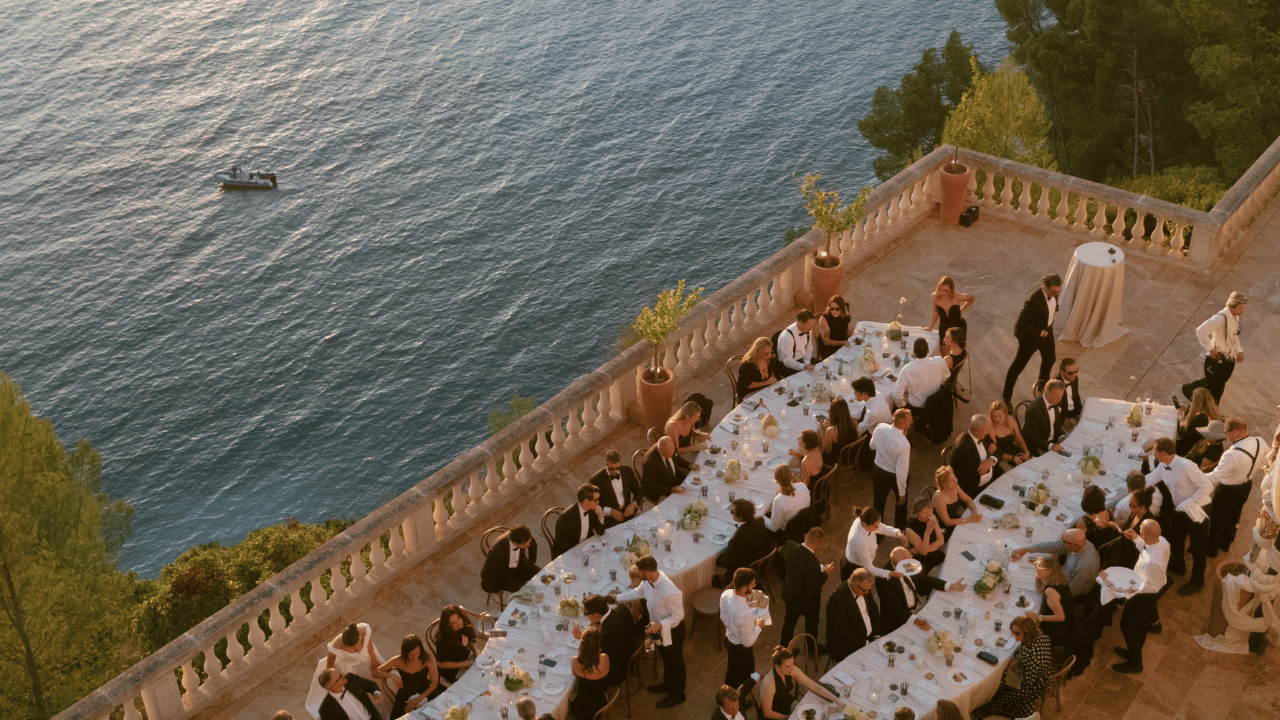
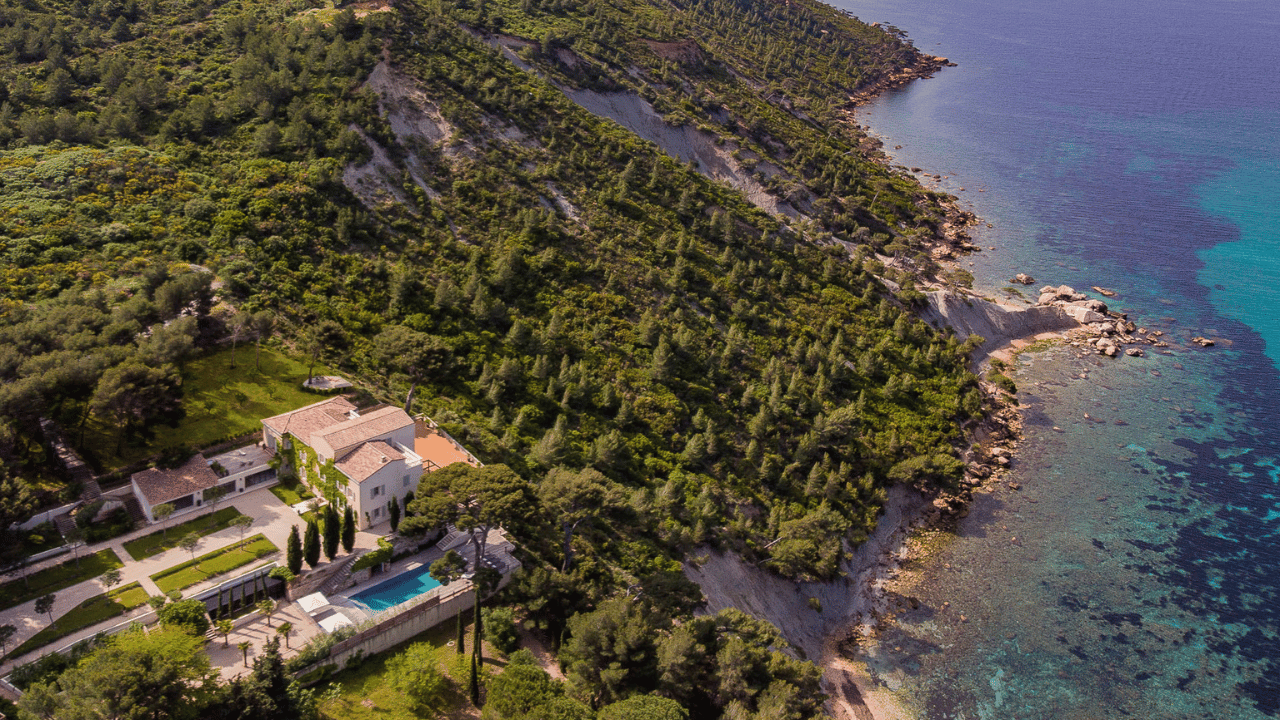
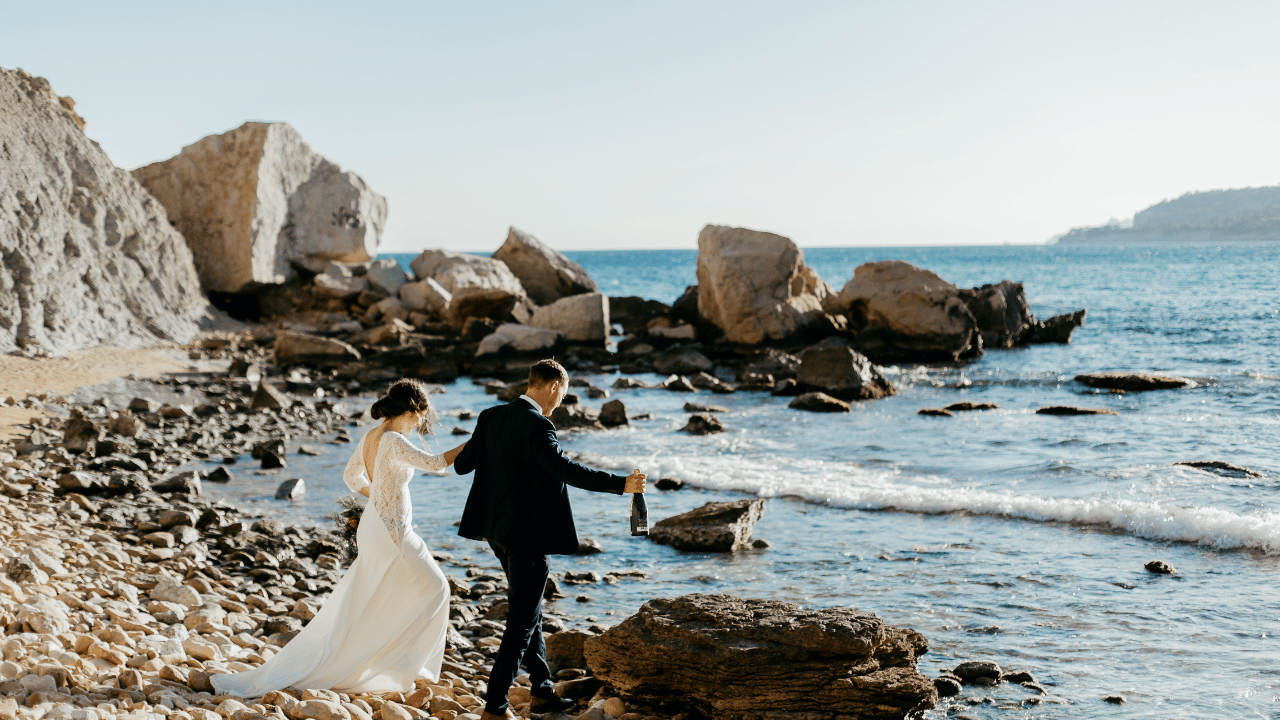
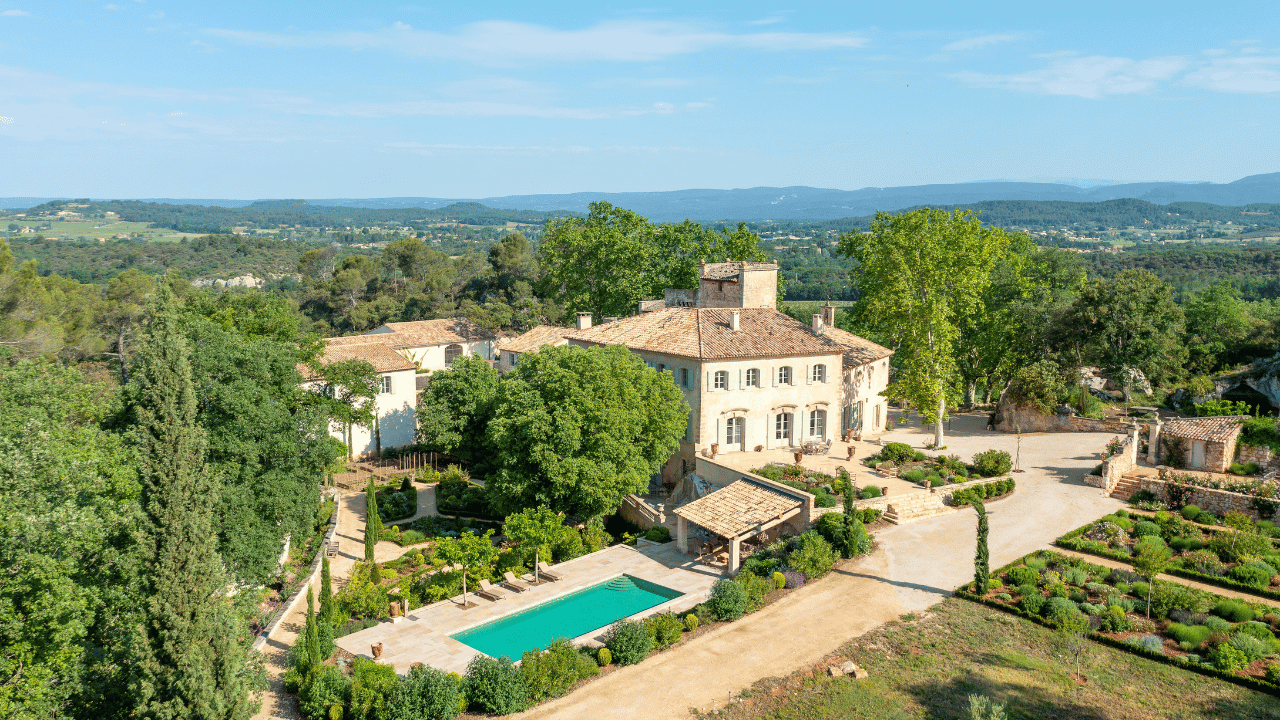
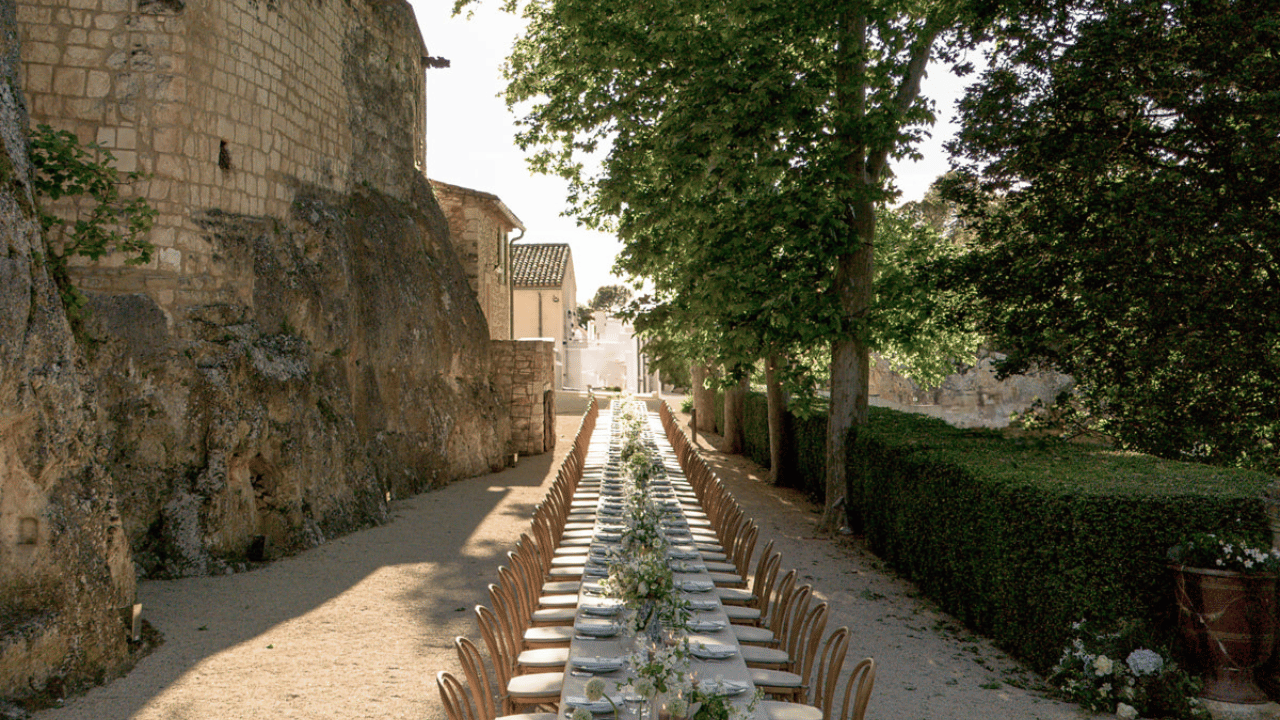
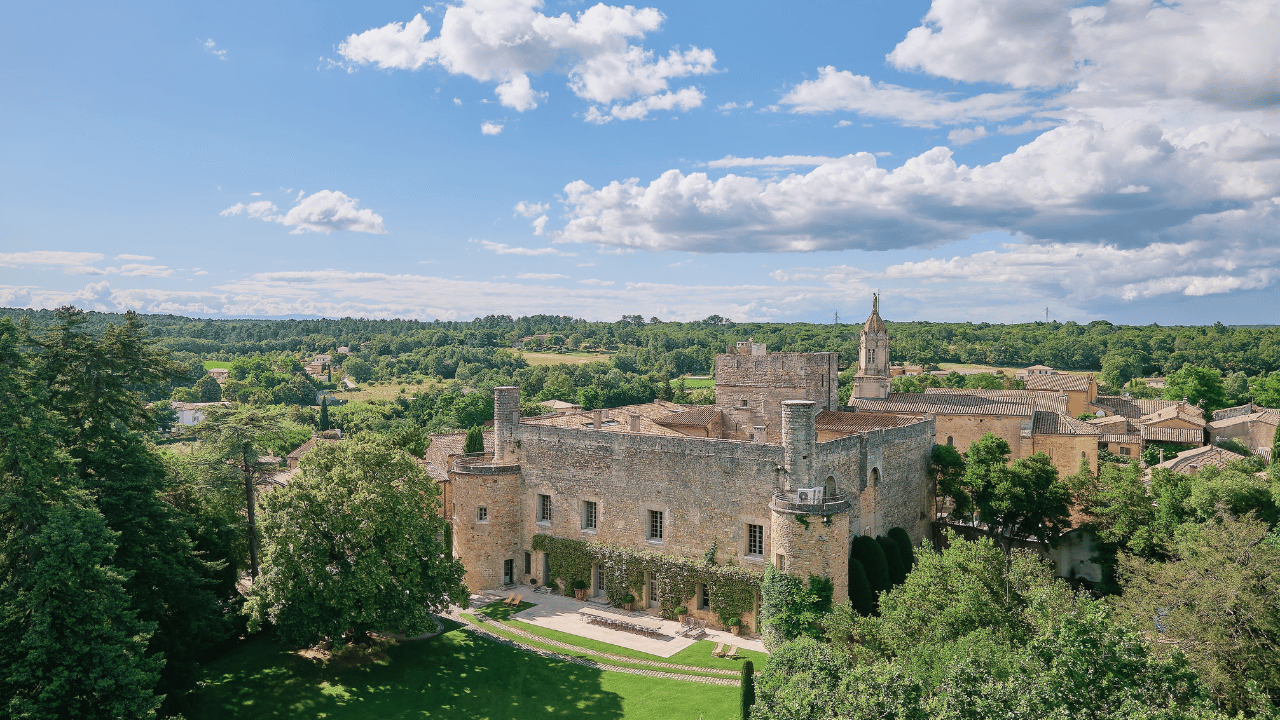
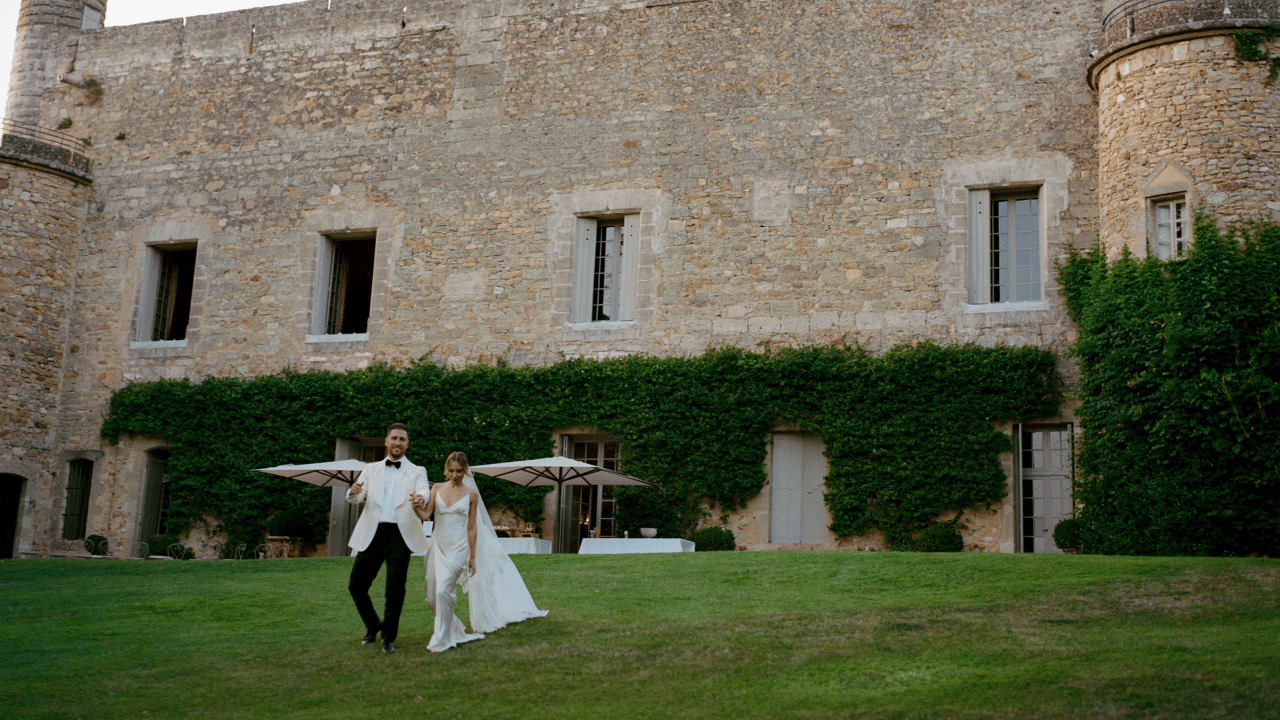
In the Luberon, the Alpilles, the Drôme Provençale or close to Nice, Homanie offers exceptional wedding venues in France set in the heart of Provence, where elegance meets natural beauty. Set against a backdrop of sunlit vineyards and untouched landscapes, these exclusive properties offer a magical setting for your special day, spacious yet intimate, with five-star amenities and private chef services to elevate your celebration.Imagine exchanging vows amidst fragrant lavender fields or ancient olive groves, followed by a reception featuring fine wines from renowned local vineyards. Guests can immerse themselves in the region’s charm, exploring breathtaking scenery by bike or on foot.
Countryside close to Paris, France
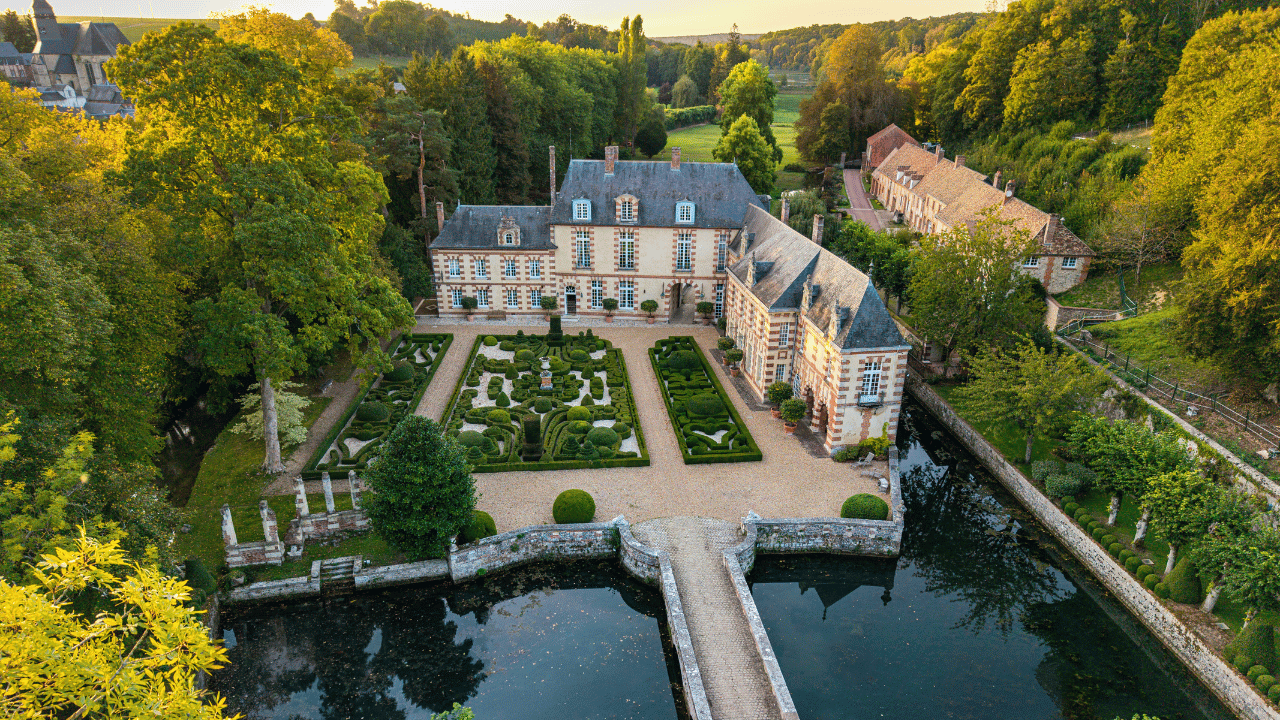
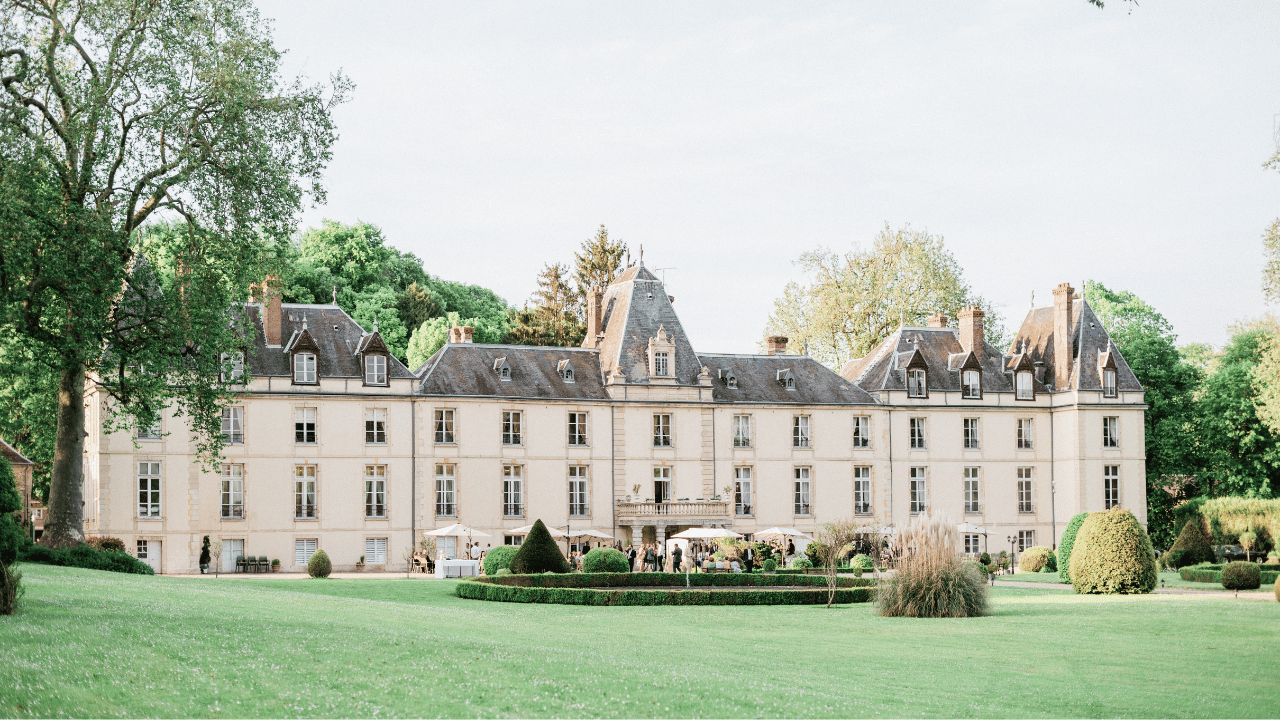
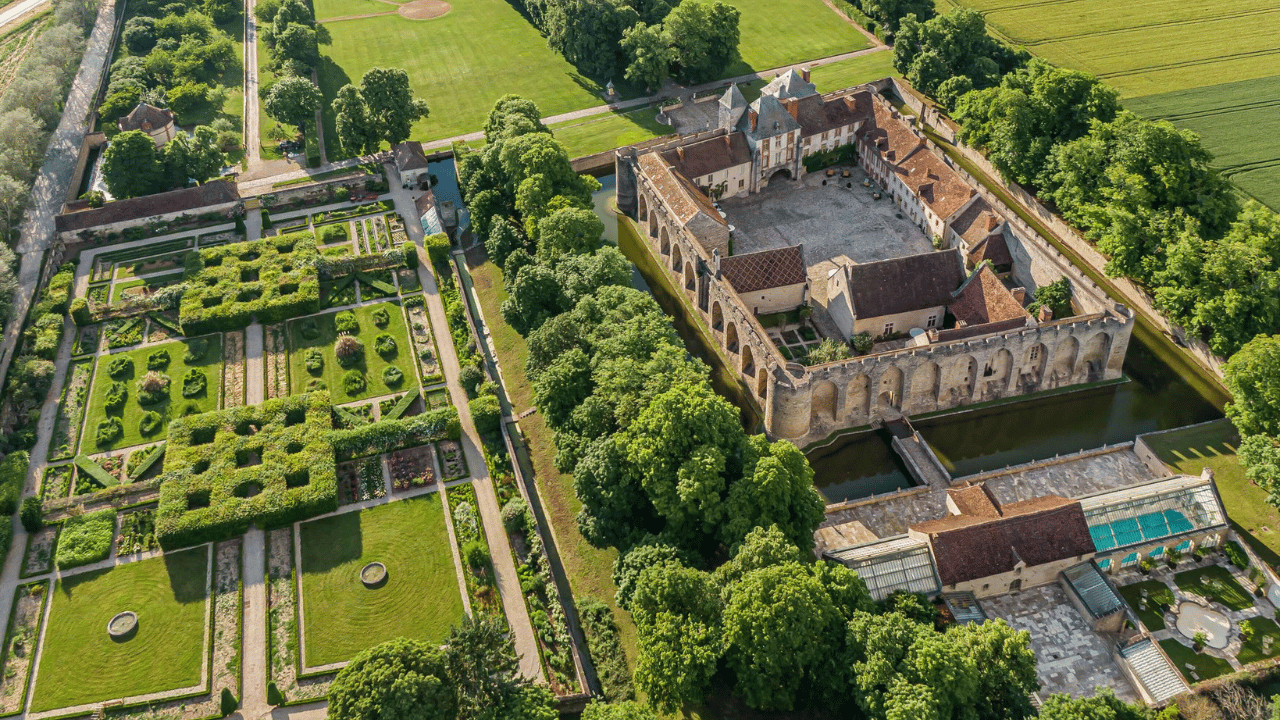
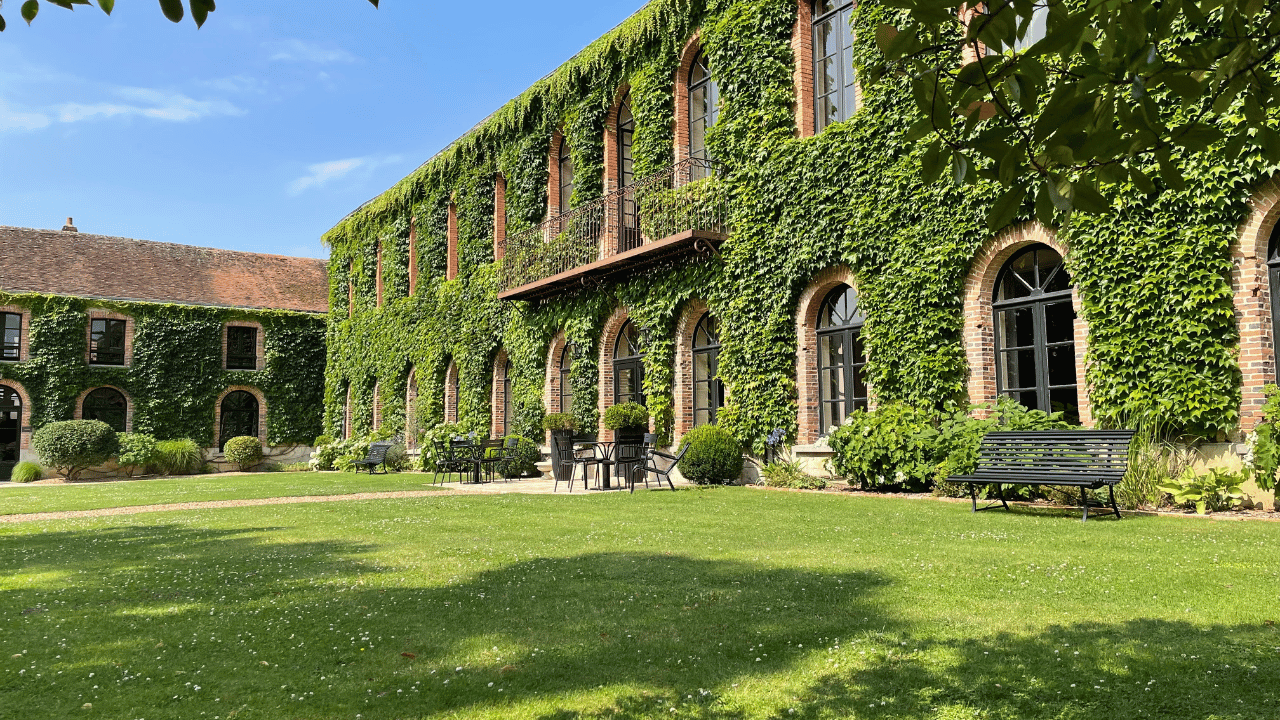
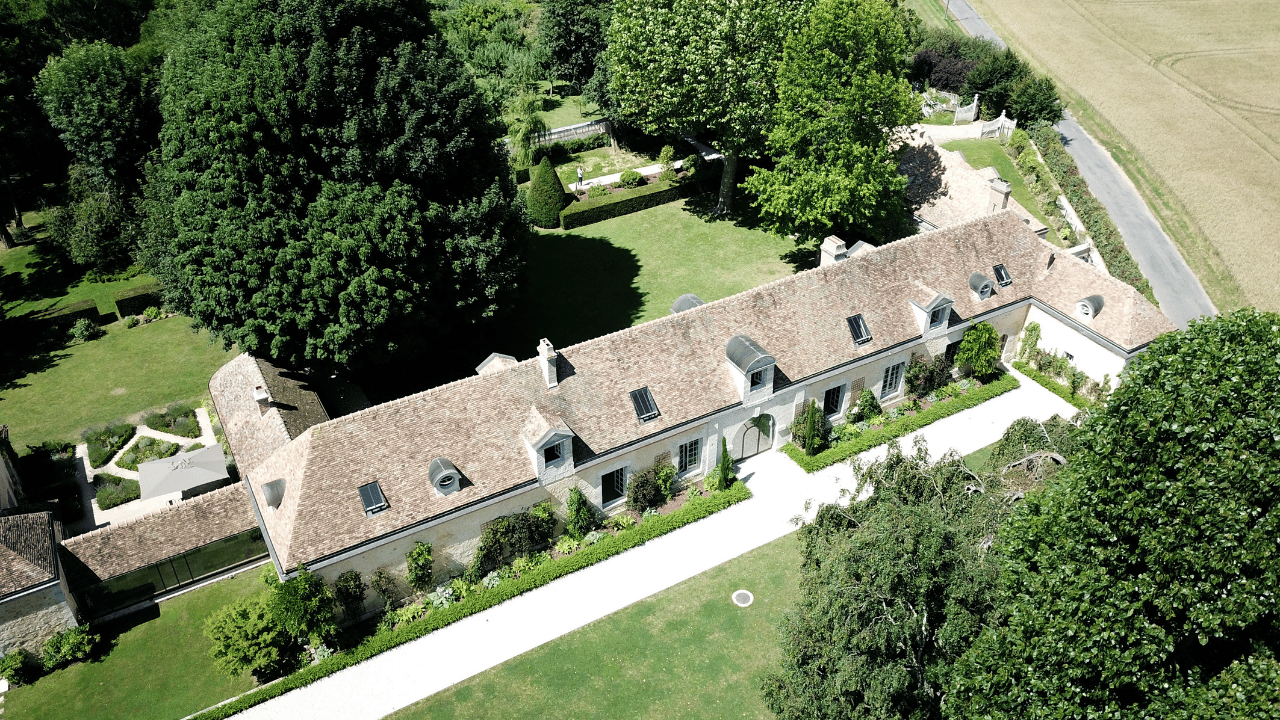
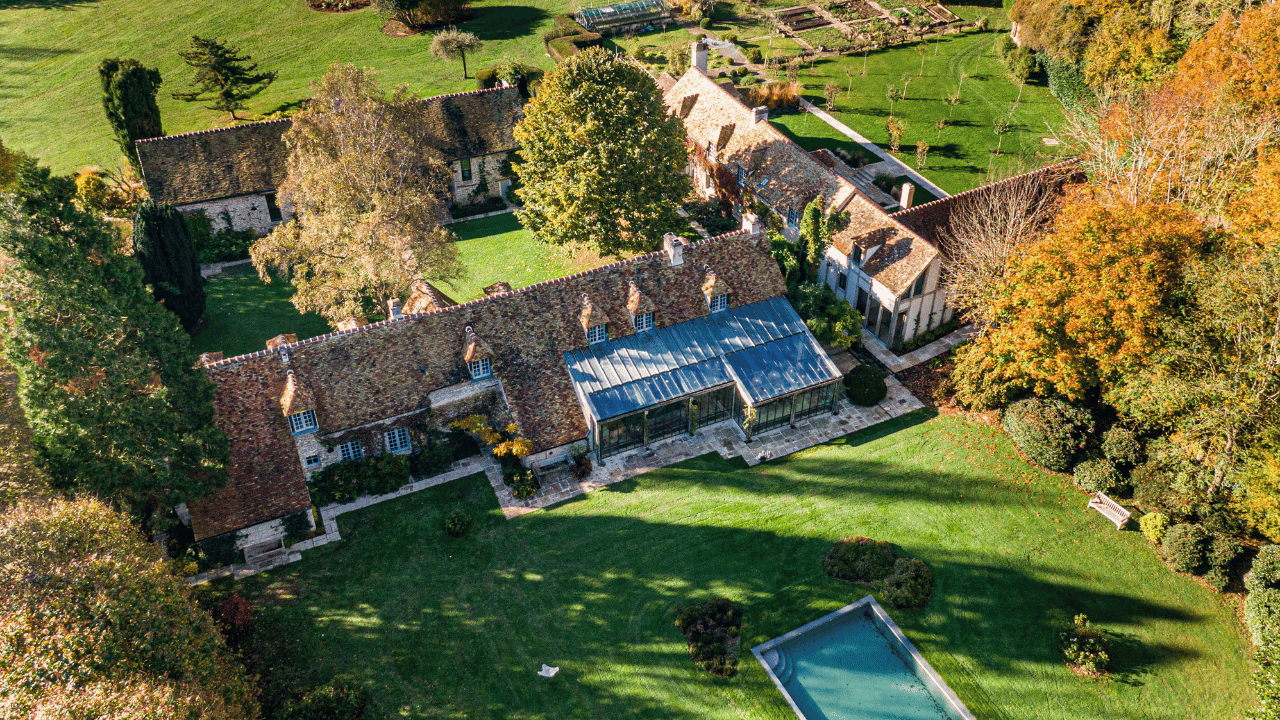
Nestled in the charming countryside near Paris, Homanie villas offer timeless elegance and natural beauty, perfect french countryside wedding venues. Surrounded by lush gardens, historic estates and tranquil landscapes, these exclusive properties create a magical setting for your special day. Spacious yet intimate, they feature luxurious amenities and personalized services, including private chefs, to make your celebration truly unforgettable.
Tuscany, Italy
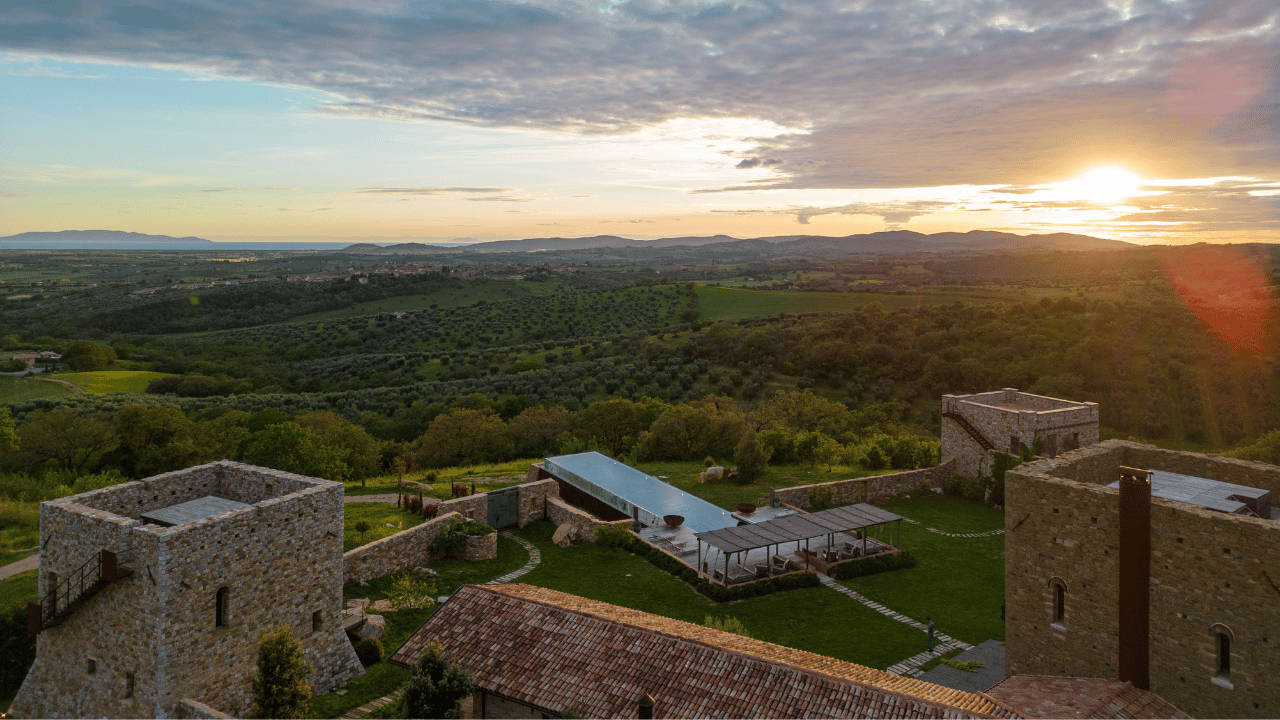
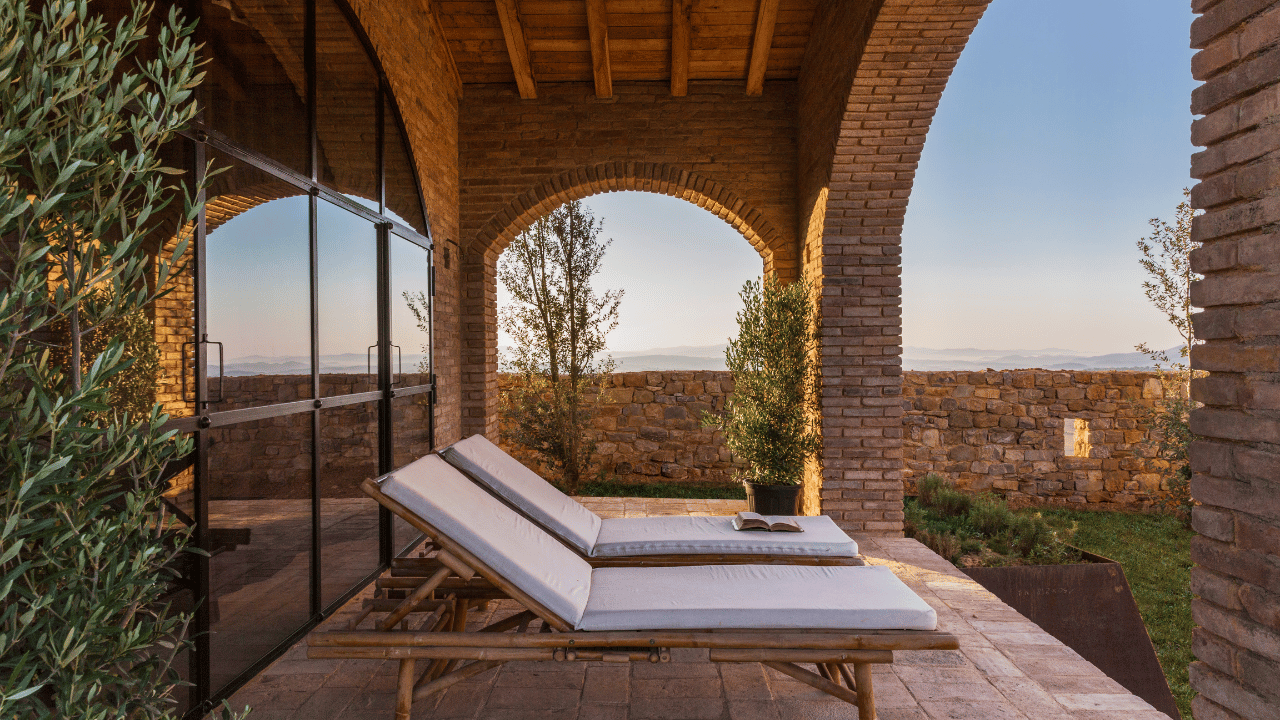
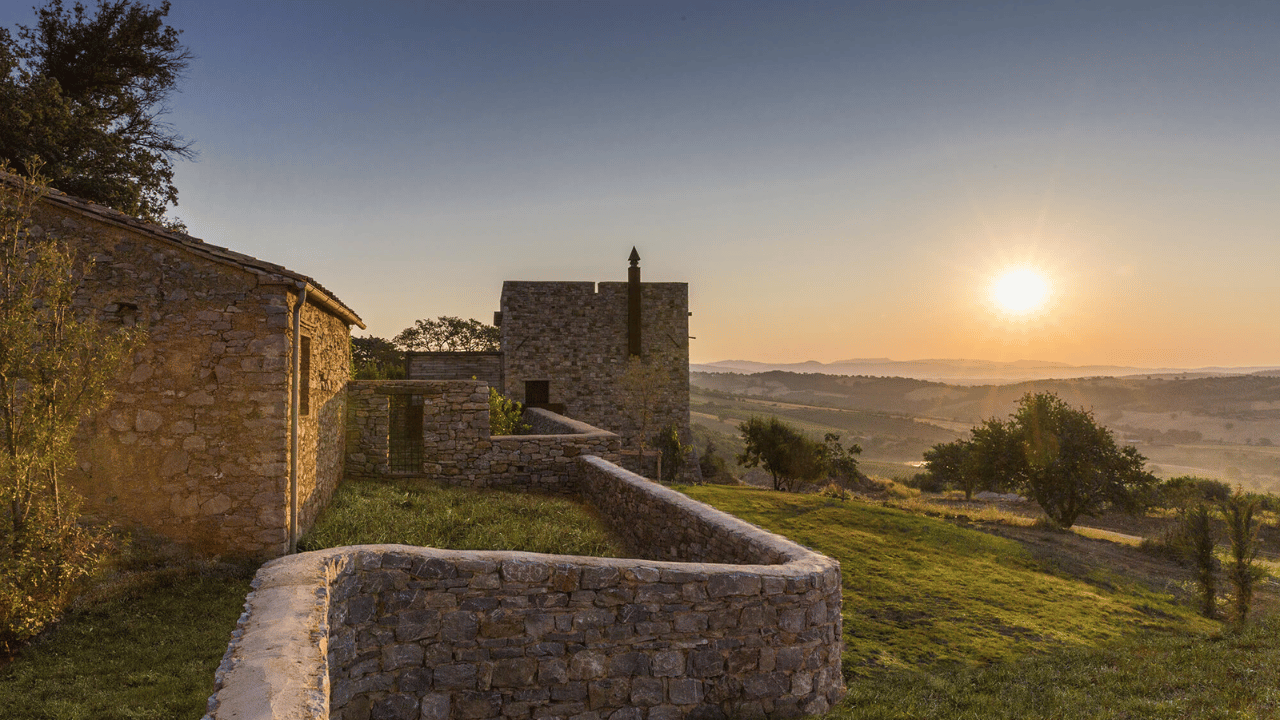
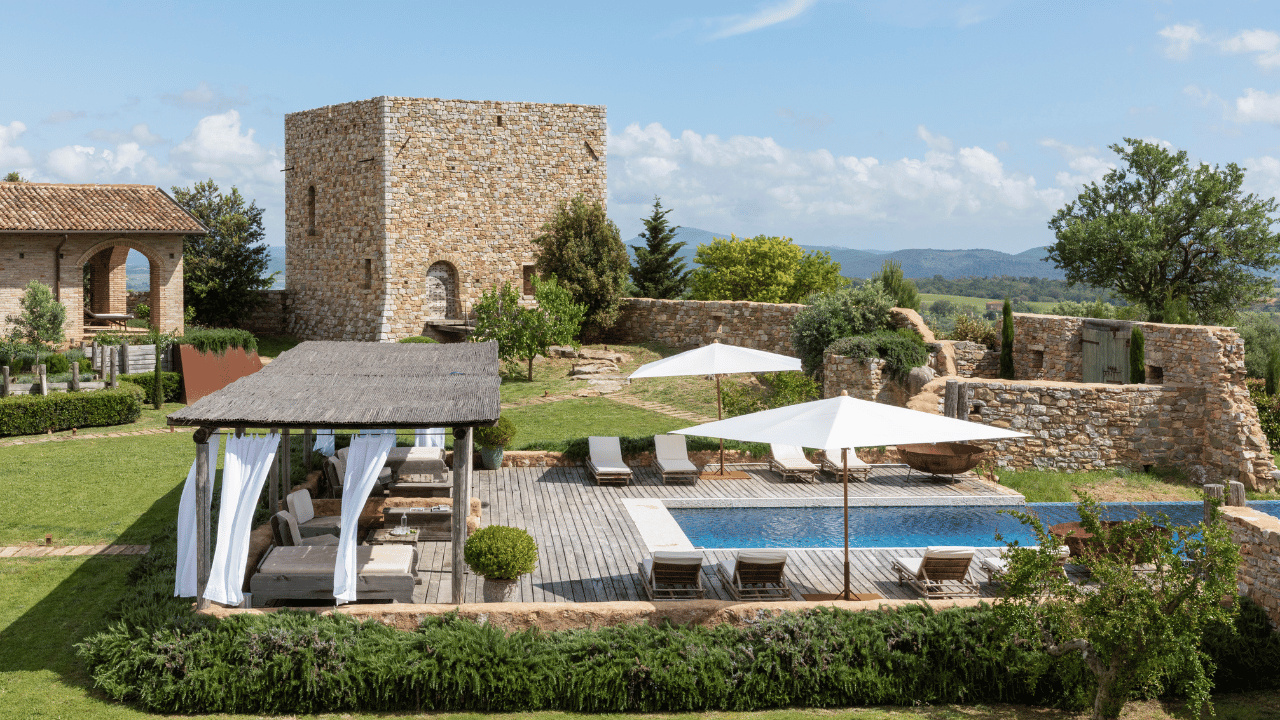
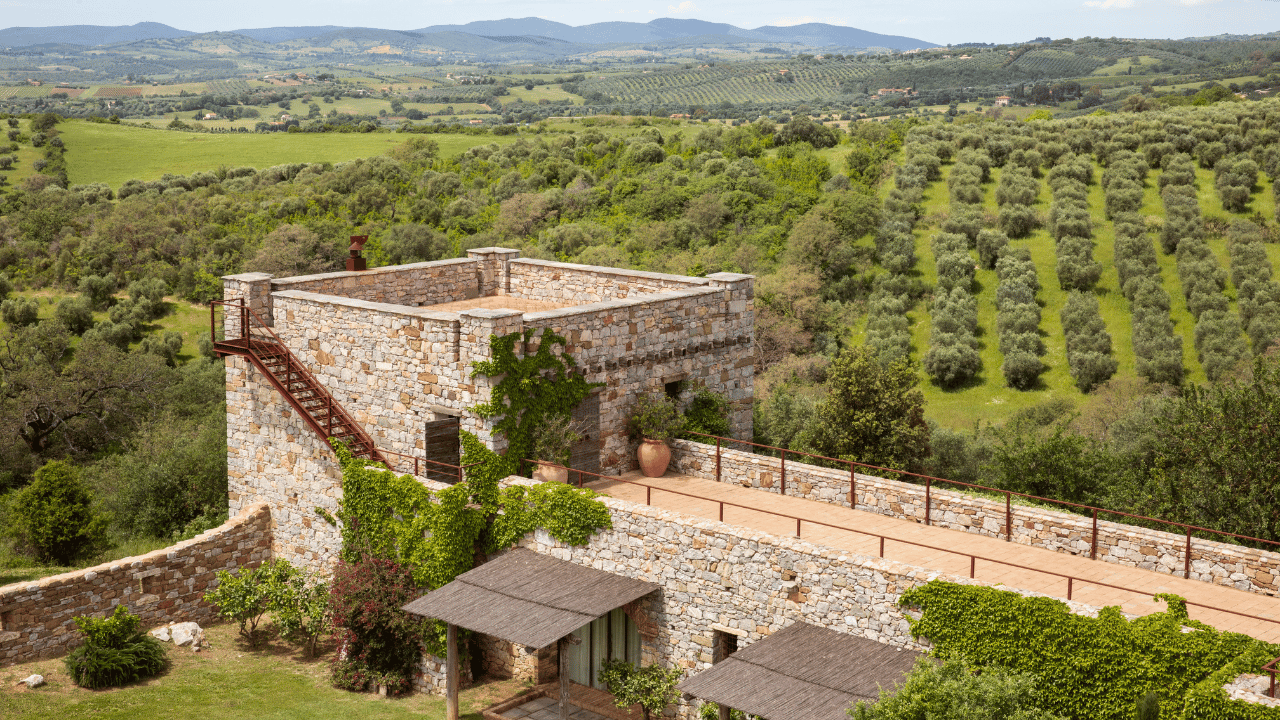
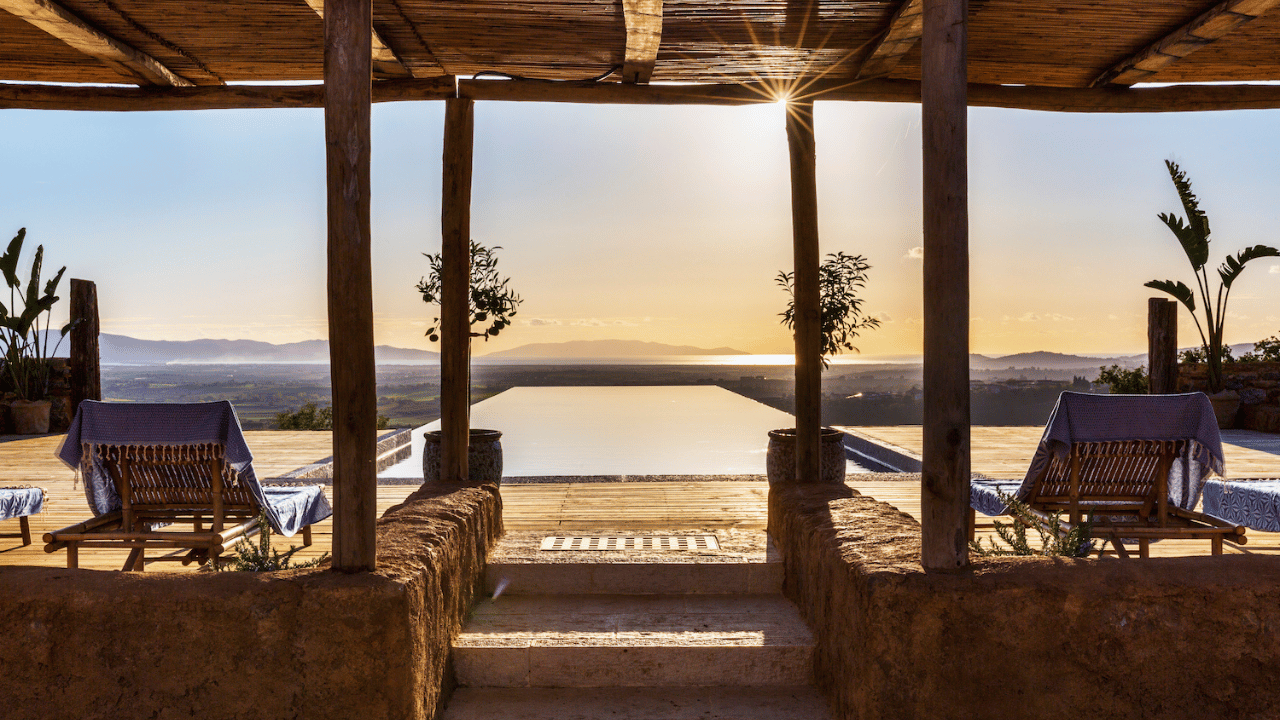
The villa in Grossetto is surrounded by rolling green hills, vineyards, olive groves, and unspoiled countryside where wildlife roams freely. This exceptional estate enjoys a prime location just 20 minutes from the long sandy beaches and turquoise waters of the Tuscan coast. The estate is available for 18 guests in 6 bedrooms with a full on-site team (Italian chef, butler, and more). A wine cellar and an infinity pool transform the wedding in a short holiday, Italian style.
Cadaqués, Catalonia, Spain
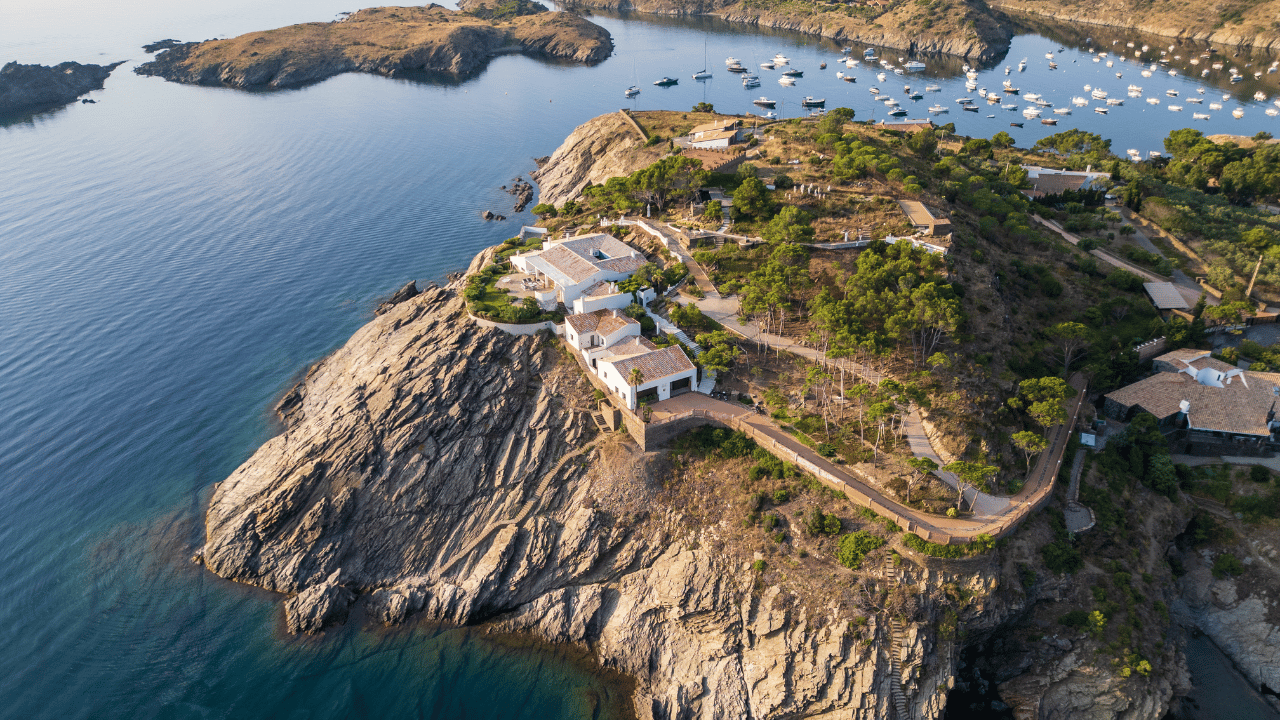
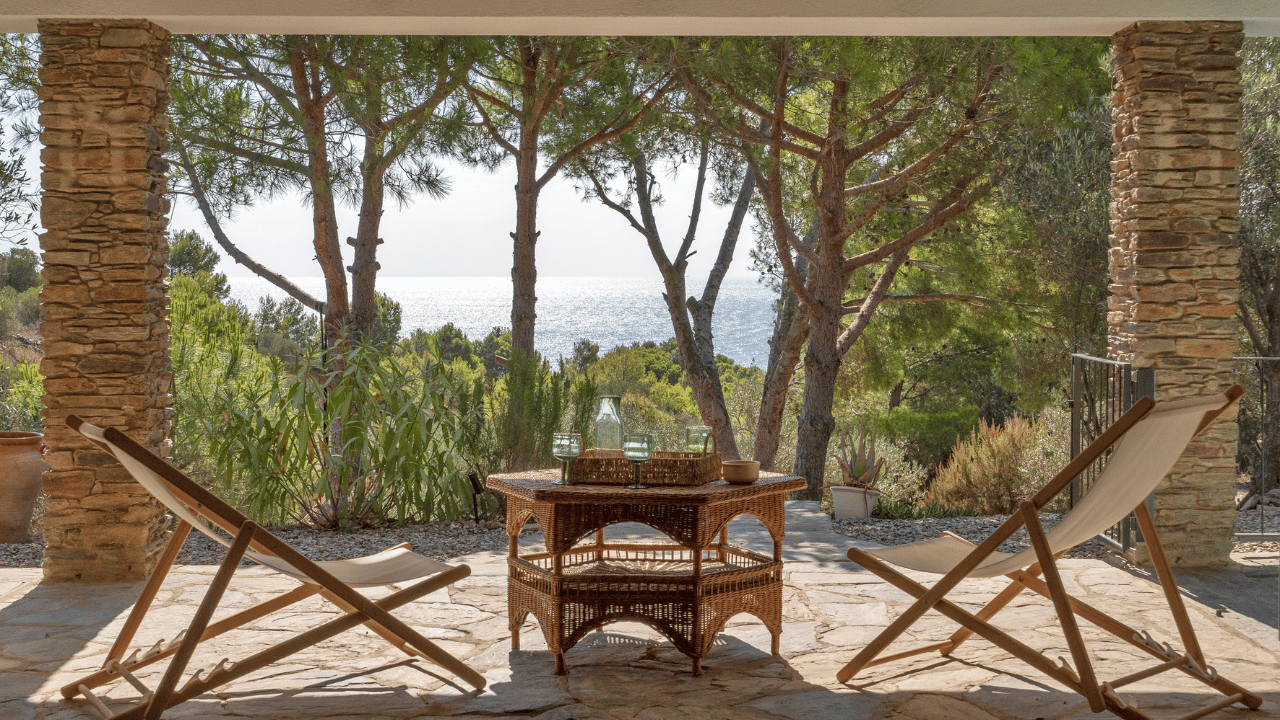
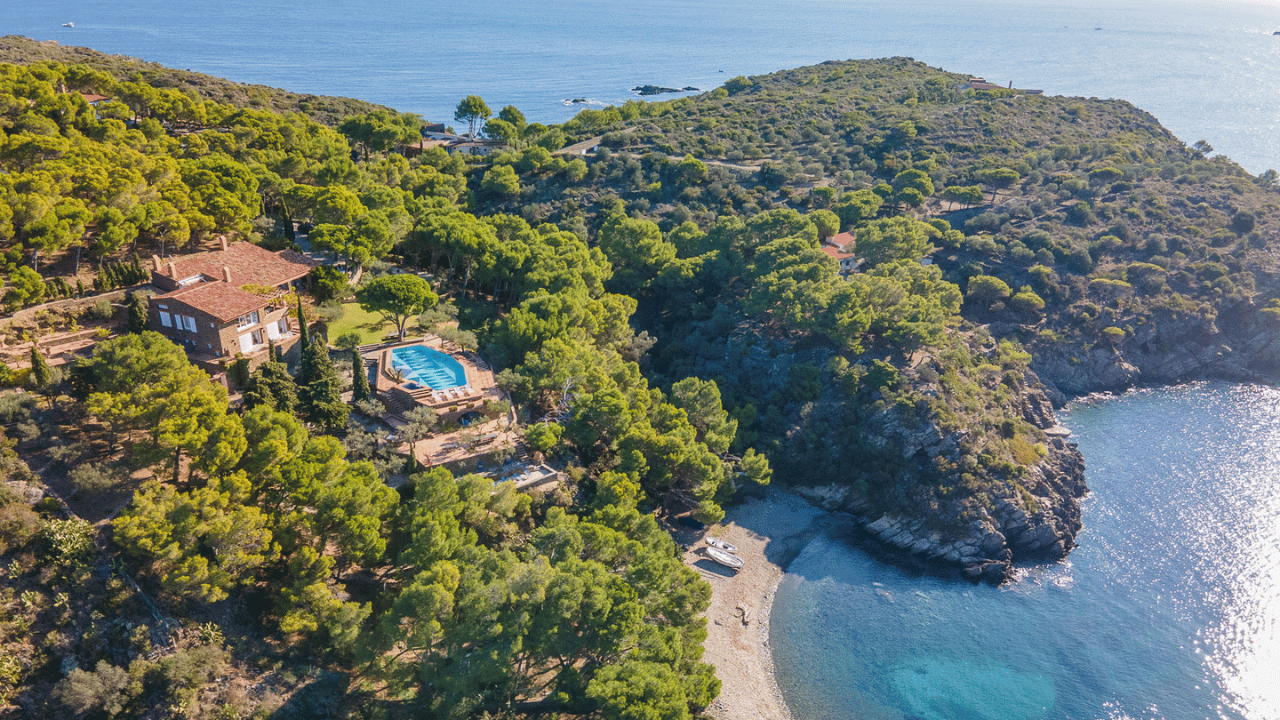
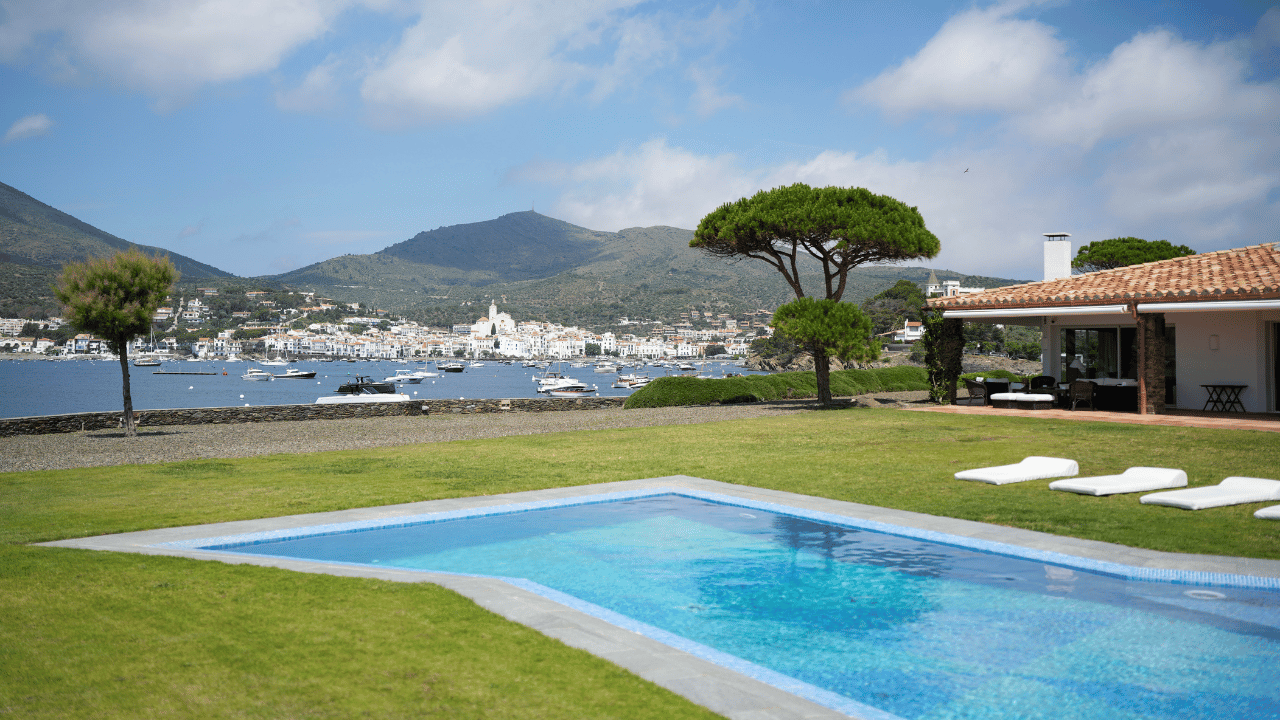
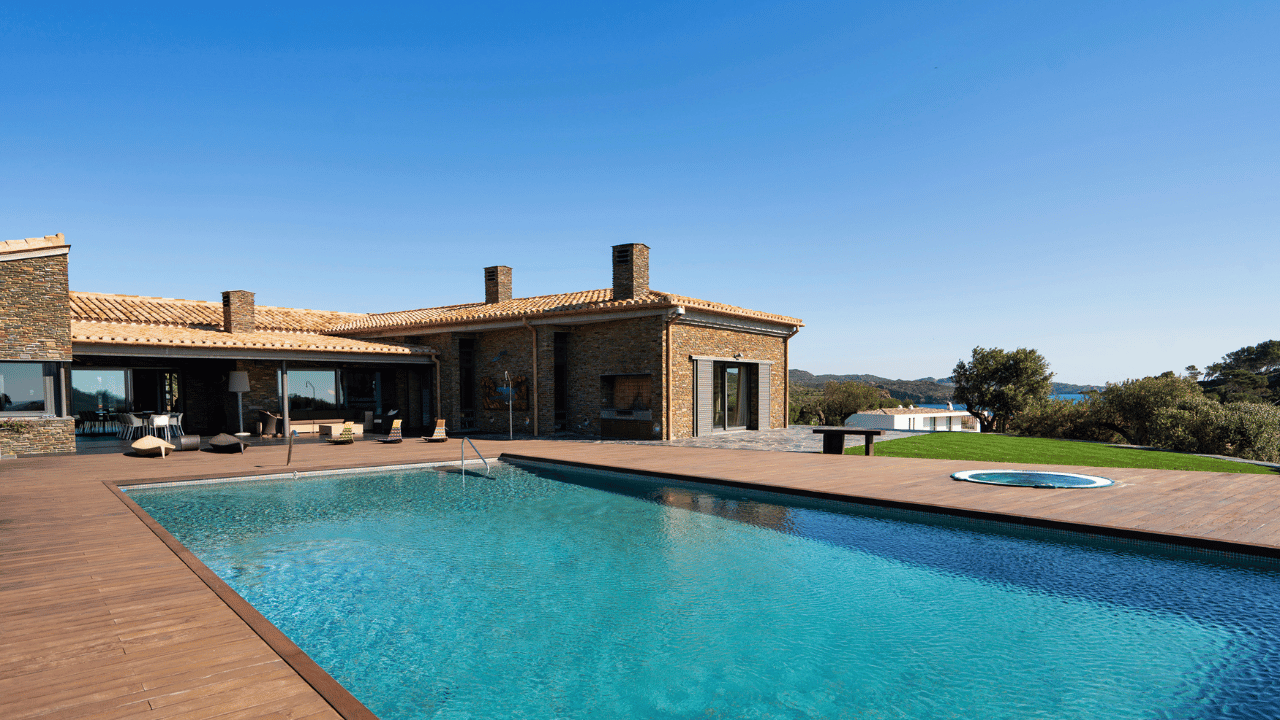
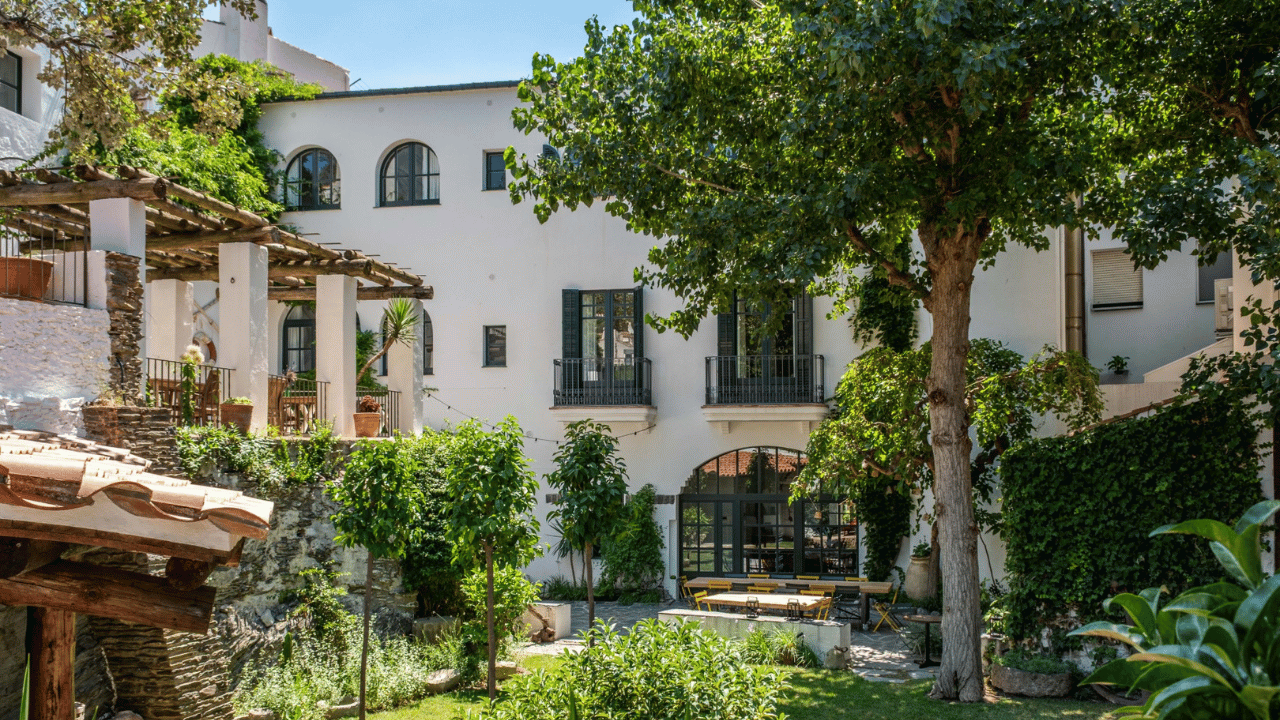
Nestled in this picturesque coastal village, each property offers breathtaking sea views, elegant interiors, and effortless access to the region’s natural beauty. Immerse yourself in the unique blend of relaxation and adventure that Cadaqués offers a destination famed for its artistic legacy and stunning landscapes. Discover your dream escape in this captivating paradise and experience the allure of Cadaqués like never before.
How to plan a destination wedding: good to know
-
A destination wedding is not necessarily more expensive than a traditional wedding it largely depends on your choices, priorities, and guest count.
In many cases, destination weddings can even be more cost-effective. Because they typically involve a smaller, more intimate group of guests, overall expenses such as catering, rentals, and décor may be significantly reduced. Instead of hosting a large reception for many attendees, couples often invest in a more curated, high-quality experience for fewer people.
However, there are additional costs to consider. Travel, accommodation, and logistics, especially if you choose to cover part of your guests’ stay, can increase the overall budget. Planning from abroad may also involve hiring local experts or making site visits, which adds to the cost.
On the other hand, destination weddings can offer excellent value in certain regions. Some locations provide access to exceptional venues, such as private villas or estates, at a cost that may be comparable to premium venues in major cities.
Ultimately, the cost comparison depends on how you structure your wedding. A large, luxury destination wedding can be more expensive than a local one, while a smaller, well-planned celebration abroad can be surprisingly efficient in terms of budget. The key is to align your spending with your priorities: guest experience, setting, and level of personalization.
-
There is no strict rule when it comes to who pays for guests’ travel at a destination wedding it largely depends on your budget, your priorities, and the type of experience you want to offer. However, there are some widely accepted etiquette guidelines.
Traditionally, guests are expected to cover their own travel and accommodation. Attending a destination wedding is often seen as combining a wedding invitation with a personal trip, so flights and hotel stays are usually at their own expense.
That said, many couples choose to contribute in thoughtful ways, especially for close family or VIP guests. For example, you might:
Cover accommodation for immediate family or the wedding party
Arrange group rates or negotiate special pricing with nearby properties
Provide transportation between the venue and accommodations
Host additional events such as a welcome dinner or farewell brunch
In more high-end or fully curated weddings, some couples go further by covering a larger portion of the experience to ensure comfort and consistency for all guests. This is particularly common when exclusivity—such as privatizing a villa or estate—is part of the concept.
The key is clarity and communication. Guests should be informed as early as possible about what is included and what they are expected to pay for, allowing them to plan accordingly.
Ultimately, there is no obligation to pay for your guests’ travel but offering a well-organized and considerate experience will always be appreciated.
-
A destination wedding is typically more intimate than a traditional wedding, mainly because of the travel involved. On average, most destination weddings host between 20 and 60 guests.
Here’s a clearer breakdown:
Small destination weddings (10–30 guests):
Very common, especially for couples seeking a private, high-end or family-focused experience.Medium-sized weddings (30–60 guests):
The most typical format large enough for a lively atmosphere, but still manageable in terms of logistics and budget.Larger destination weddings (60–100+ guests):
Less common, but possible especially when the destination is easy to access or holds special meaning for many guests.
In general, couples invite more people than they expect to attend, knowing that only 50% to 70% of invited guests will usually make the trip.
-
You can legally get married in Europe for a destination wedding, but the reality is a bit more nuanced.
All European countries allow civil (legally binding) marriages. If you marry in one country, the marriage is generally recognized across the EU, but each country sets its own rules, and they can vary a lot. It’s often complicated for non-residents.
Many European countries impose strict requirements, such as:
Residency obligations (e.g. living there for a period before the wedding)
Extensive paperwork (birth certificates, translations, apostilles, etc.)
Local administrative procedures (publishing banns, registering documents)
For example, in France:
A legal wedding must take place at the town hall (mairie)
At least one partner typically needs proof of local residence for ~30 days
That is the reason why most destination weddings in Europe are symbolic.
Most couples choose to have a legal marriage at home (civil ceremony) and hold a symbolic ceremony in Europe.
-
A private villa can be better for a destination wedding for 3 reasons:
1. Privacy and exclusivity
One of the biggest advantages of a villa is complete privacy. Unlike hotels, where other guests and events may be happening simultaneously, a villa offers a fully private setting for you and your guests. This creates a more intimate atmosphere.
2. A more immersive, “home-like” experience
A villa becomes your home for the duration of the wedding. Everyone can stay together, share moments, and enjoy the space and amenities. It is ideal for smaller marriages, and villas with an important number of rooms.
3. Flexibility and personalization
Villas offer far more freedom. You can choose your own vendors, design your schedule without strict rules and fully customize décor and catering.