Published on April 22, 2026 | Reading time: 15 min
By Laurine Baille, Marketing Project Manager at HOMANIE
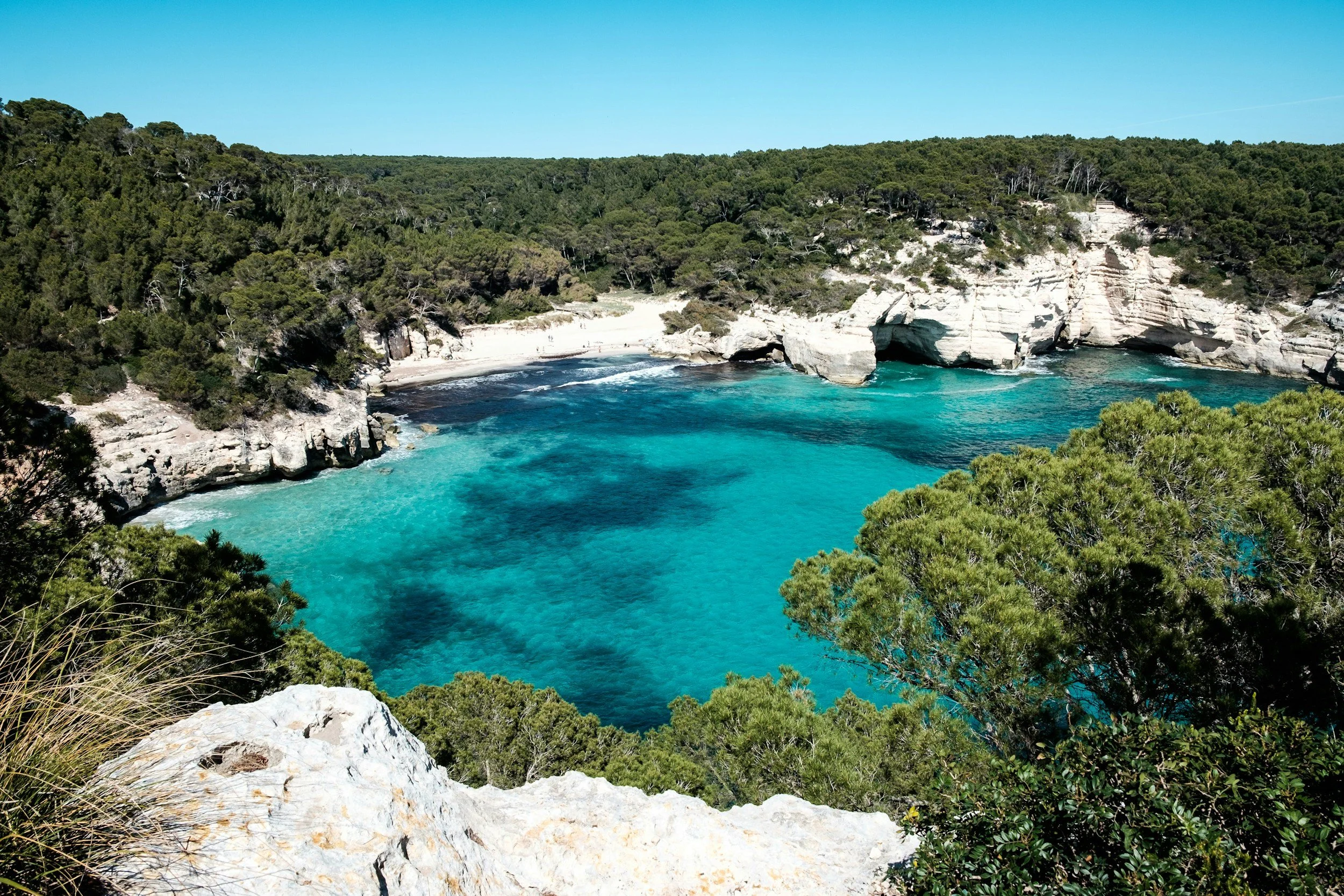
At the heart of the Balearic Islands, Menorca stands out as a discreet, unspoiled and decidedly high-end destination, with one of the most beautiful cities in Spain. Recognized as a biosphere reserve, this vast Mediterranean island captivates with its fine sandy beaches, idyllic coves with crystal-clear turquoise waters, rugged cliffs, and an atmosphere far removed from mass tourism. Here, days unfold between relaxing on white sand, swimming in transparent waters, coastal walks along scenic paths, and water activities, all embraced with understated elegance.
In this complete guide, discover the island’s most beautiful beaches, the best activities, the weather, exceptional accommodations, and all our practical tips to plan an unforgettable stay in the Balearic Islands.
Settle in, we’re taking you to the island’s most inspiring beaches, coves, and landscapes.
Summary
Menorca: a discreet and unspoiled island in the Balearic Islands
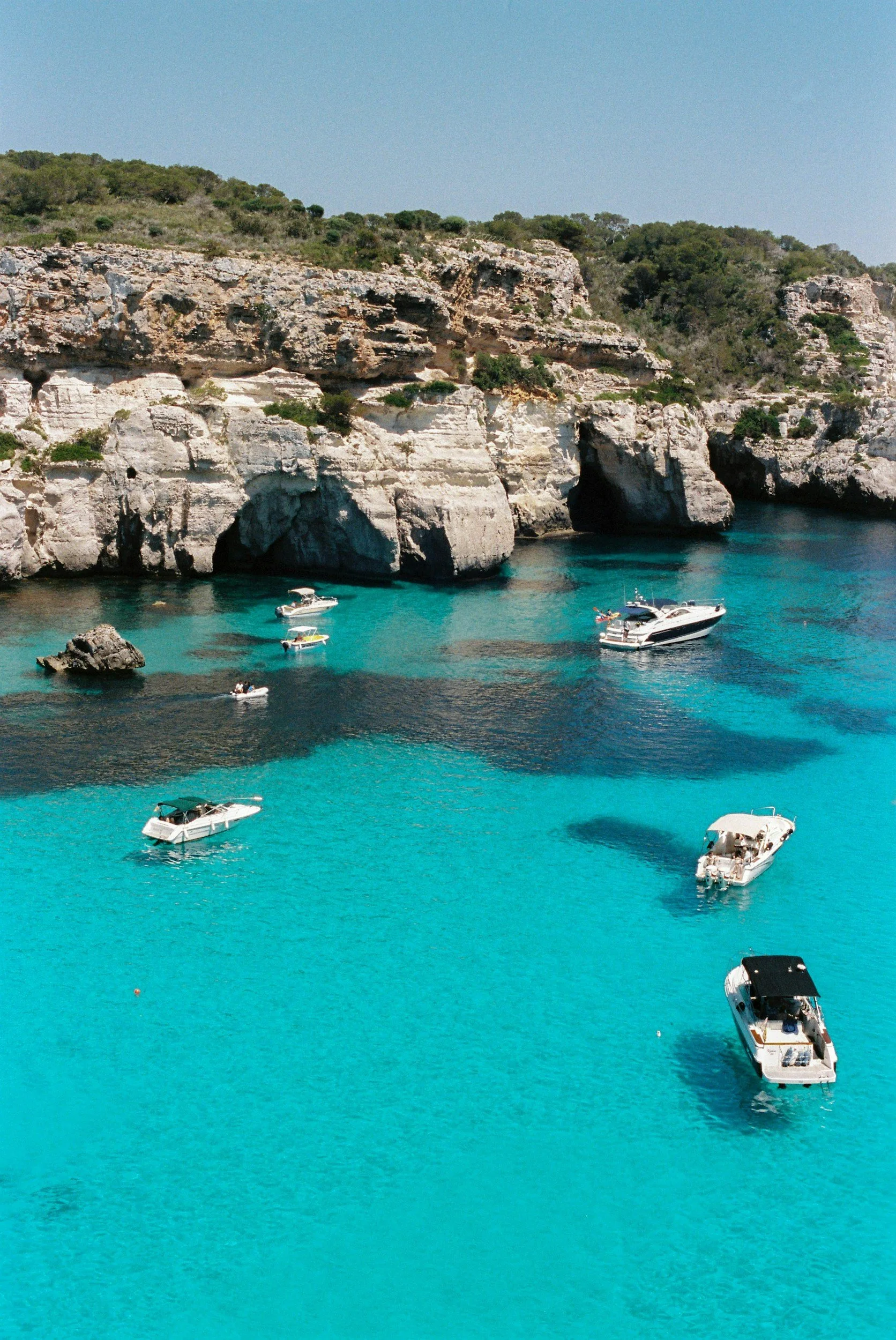
Less frequented than Mallorca and more understated than Formentera, Menorca embodies the perfect balance between raw nature and refined seaside elegance. The landscape shifts between rugged cliffs, hidden coves, dunes, stretches of golden sand, and pine-fringed inlets. Mediterranean light enhances the contrasts between rock, vegetation, and the sea’s shades of turquoise.
Here, there is no mass tourism, but rather an authentic atmosphere shaped by charming villages, picturesque streets, olive trees, pine forests, and coastlines that alternate between rocky shores and fine sandy beaches. On the southern coast, white-sand beaches and crystal-clear waters evoke a truly idyllic setting, while the wilder northern coast reveals dramatic cliffs, ochre rocks, and sheltered coves.
Menorca is the ideal destination for those seeking tranquility, unspoiled nature, and a refined Balearic escape in an exclusive setting, far from overcrowded seaside resorts.

“At Homanie, I personally help you find the perfect home for your dream holiday.”
-Evane Rosé, Rental Manager
The history of Menorca and its cultural heritage
Between Spanish and British influences
Over the centuries, Menorca has held a strategic position in the Mediterranean, successively attracting Phoenicians, Romans, Arabs, Spaniards, and the British. This succession of influences has shaped a singular identity within the Balearic Islands.
The British imprint, particularly strong in the 18th century, can still be felt in the architecture, certain local traditions, and even in the gastronomy. In Ciutadella, the former capital with its Gothic charm, you can wander through narrow streets lined with stone palaces. In Maó (Mahón), home to one of the largest natural harbors in Europe, the atmosphere reflects this rich maritime and cosmopolitan past. This dual Spanish and British influence gives the island a uniquely distinctive cultural character among Spain’s islands.
Talayotic remains and historical sites
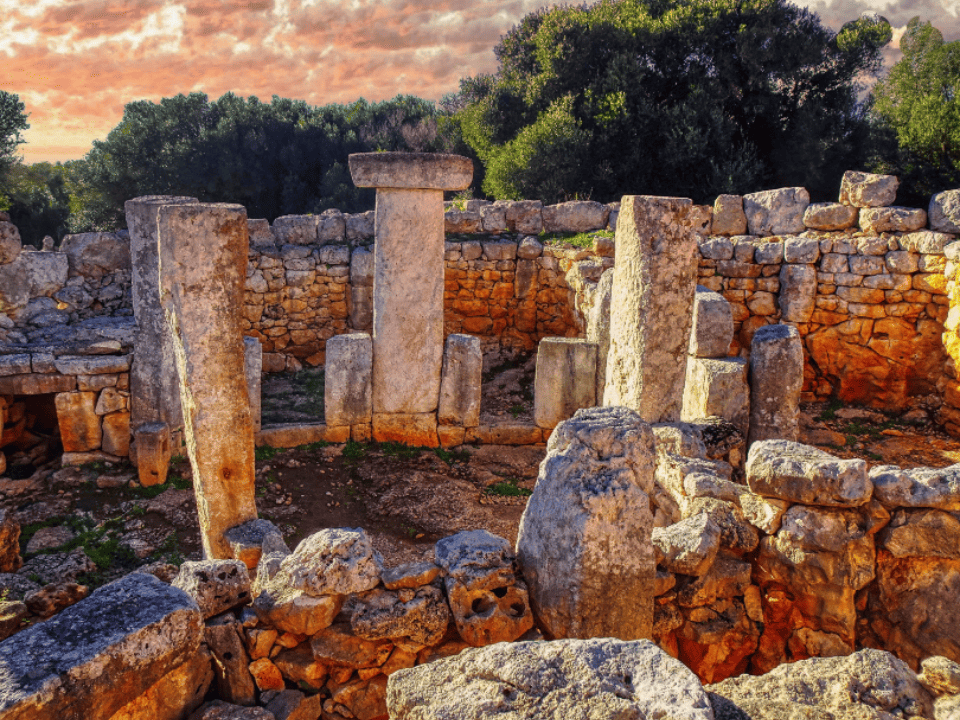
Long before these occupations, Menorca was home to a fascinating prehistoric civilization: the Talayotic culture. Today, the island preserves some of the best-preserved megalithic complexes in the Mediterranean, including stone towers known as talayots, monumental taulas, and funerary navetas.
Sites such as Naveta d'Es Tudons and Torre d'en Galmés bear witness to more than 3,000 years of history. Set within wild landscapes of Mediterranean vegetation, dry-stone fields, and sweeping coastal views, these remains contribute to the island’s deeply authentic character.
Exploring Menorca’s heritage is a reminder that its beaches, coves, and scenic panoramas are only one facet of a richly layered territory, shaped by civilizations and time.
Where is Menorca located?
Where is Menorca in Spain?
Menorca is one of the main islands of the Balearic archipelago, located off the eastern coast of mainland Spain. It lies in the Mediterranean Sea, around 40 km from Mallorca and not far from the Iberian Peninsula. Smaller than Mallorca yet larger than Formentera, it offers a rare balance between accessibility and a true sense of escape.
Unlike more urbanized seaside destinations, Menorca has preserved its natural identity. Its coastline alternates between the wilder northern shores and the turquoise waters of the southern coast, making it an ideal destination for a peaceful and refined getaway in the Balearic Islands.
Map of Menorca and key areas to know
The island stretches from east to west over roughly fifty kilometers. To the east, Maó (Mahón) is home to the main port and the airport. To the west, Ciutadella enchants visitors with its historic old town and elegant atmosphere.
The southern coast is dotted with numerous coves featuring white-sand beaches framed by pine trees, while the more wind-exposed northern coast reveals wilder landscapes, ochre rocks, and beaches sometimes tinged with darker sand. In the center, gentle hills, open fields, and dry-stone walls shape a deeply Mediterranean rural landscape.
How to get to Menorca?
Menorca Airport
Menorca Airport (MAH) is located just a few kilometers from Maó, on the eastern side of the island. Modern and easy to access, it allows for a smooth and efficient arrival, far from the congestion of major international hubs. During peak season, direct flights connect Menorca to several French and European cities; outside of the high season, a connection via Barcelona or Palma de Mallorca is often required.
Upon arrival, you will easily find car rental agencies, taxis, and private transfer services, making it quick to reach your accommodation, whether you are staying along the southern coast or near Ciutadella in the west.
Getting to Menorca by plane or ferry
Flying remains the fastest option. From France, expect a flight time of around 1.5 to 2 hours depending on your departure city.
The ferry is an appealing alternative, particularly from Barcelona or Valencia. It docks in Maó or Ciutadella and allows you to travel with your own vehicle, an advantage for exploring the island freely. This option also appeals to travelers looking to include Menorca as part of a broader itinerary across the Balearic Islands.
When is the best time to visit Menorca?
-
Spring offers exceptional light and mild temperatures (18–24°C). The trails of the Camí de Cavalls are particularly pleasant to explore, the vegetation is lush and green, and the beaches remain uncrowded. It is the ideal season to combine nature, culture, and the first swims of the year.
-
Summer is the liveliest season. Fine sandy beaches and crystal-clear waters attract more visitors, yet without the overwhelming sense of mass tourism found elsewhere. Long days invite you to enjoy spectacular sunsets along the west coast, followed by a more vibrant atmosphere around the ports and bars.
-
September and October are perfect for those seeking warmth and serenity. The sea remains warm, seaside resorts gradually become quieter, and the atmosphere turns peaceful once again. It’s an excellent balance between pleasant weather and tranquility.
-
Winter is cooler and some facilities close, but the island reveals a more authentic side. The landscapes are shaped by the winds, the northern coast displays its raw, mineral character, and coastal walks take on an almost contemplative dimension.
When to visit Menorca depending on your travel style?
The best time to visit truly depends on the experience you’re looking for. For a stay focused on beaches and swimming in warm waters, July and August guarantee sunshine and a lively summer atmosphere.
If you prefer hiking, cycling, cultural exploration, and landscapes without heavy crowds, May, June, and September offer the ideal balance between pleasant weather and a more serene atmosphere. For couples seeking tranquility or travelers drawn to more contemplative stays, spring and early autumn are often the most harmonious times.
In short, Menorca can be enjoyed almost year-round, it simply comes down to matching the season to your pace and preferences.
What are Menorca’s culinary specialties?
Typical Menorcan specialties
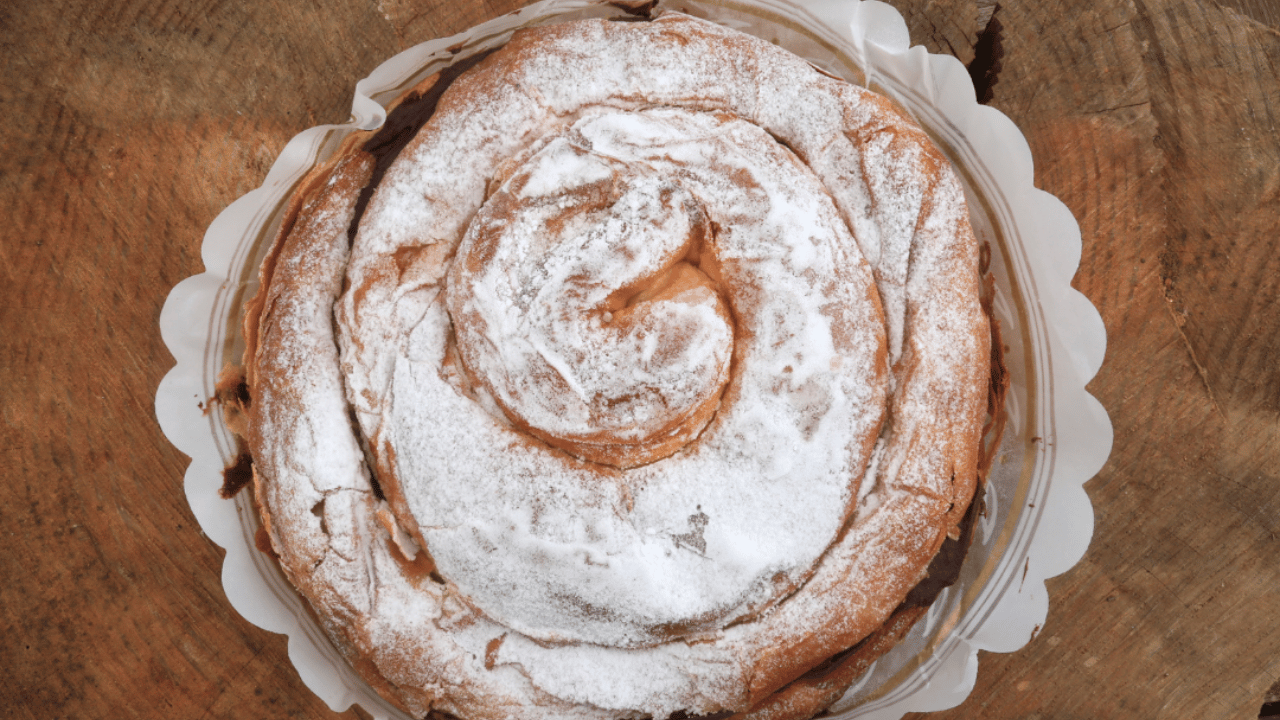
Ensaïmada
Menorcan gastronomy blends Spanish traditions with a subtle British heritage. You’ll find dishes such as caldereta de langosta (lobster stew), a variety of tapas made with local products, and pastries like the famous ensaïmada. The cuisine is simple, generous, and deeply Mediterranean in spirit.
Mahón-Menorca cheese
Mahón-Menorca cheese is one of the island’s most iconic specialties and holds a Protected Designation of Origin. Depending on its aging, it develops salty, slightly tangy notes. It pairs perfectly with a glass of gin, another legacy of the island’s British influence.
Where to experience Menorcan cuisine?
To discover Menorcan gastronomy, head to the historic centers of Ciutadella and Maó, where many restaurants showcase local products: fresh fish, lobster, cheeses, and traditional specialties. The terraces around the ports offer a particularly pleasant setting for dinner by the sea, especially at sunset.
For a more authentic experience, venture inland. Some fincas and rural inns serve homemade cuisine rooted in Mediterranean tradition, often prepared with ingredients sourced from nearby farms. Local markets are also excellent places to sample Mahón-Menorca cheese, artisanal cured meats, and traditional pastries.
Finally, don’t leave the island without tasting Menorcan gin, a legacy of British influence, often served with lemon or in cocktails, especially enjoyed during local festivities.
What are the most beautiful beaches in Menorca?
the iconic coves of the south
To the south, the idyllic coves are famous for their fine white sand and turquoise waters.
Cala Macarella: This iconic beach, located on the southwest coast of Menorca, is one of the island’s most photographed landscapes. While it can get quite crowded in summer, it beautifully showcases the unspoiled charm of Menorca’s coastline.
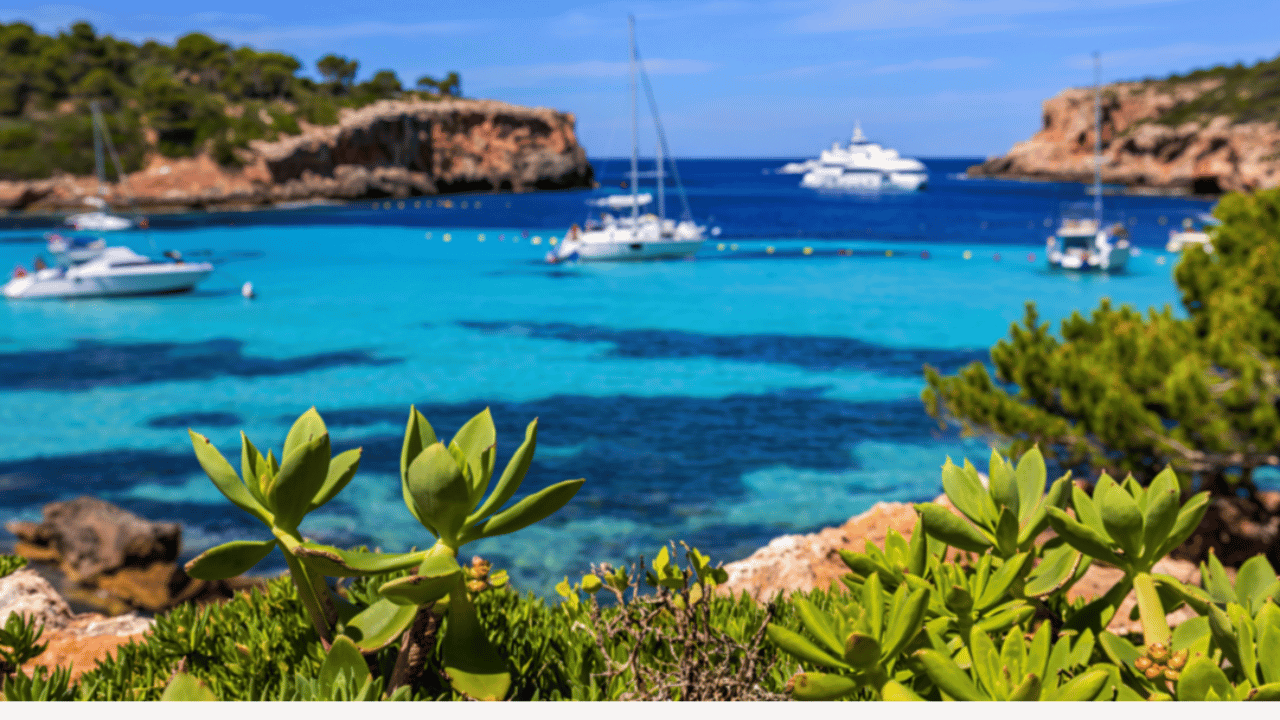
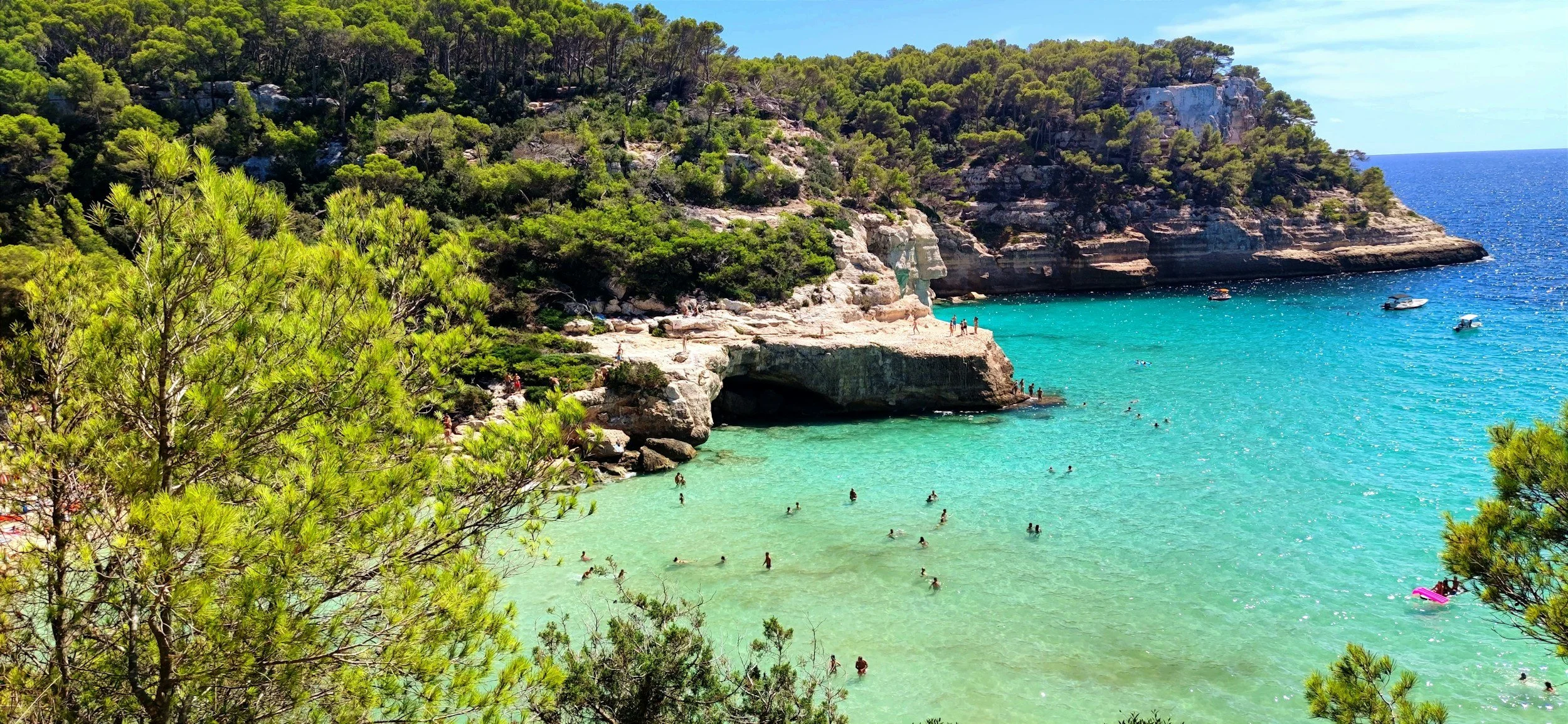
Cala Mitjana: A pristine beach located on the southern coast of Menorca, Cala Mitjana is renowned for its untouched natural surroundings, framed by limestone cliffs and Mediterranean pines.
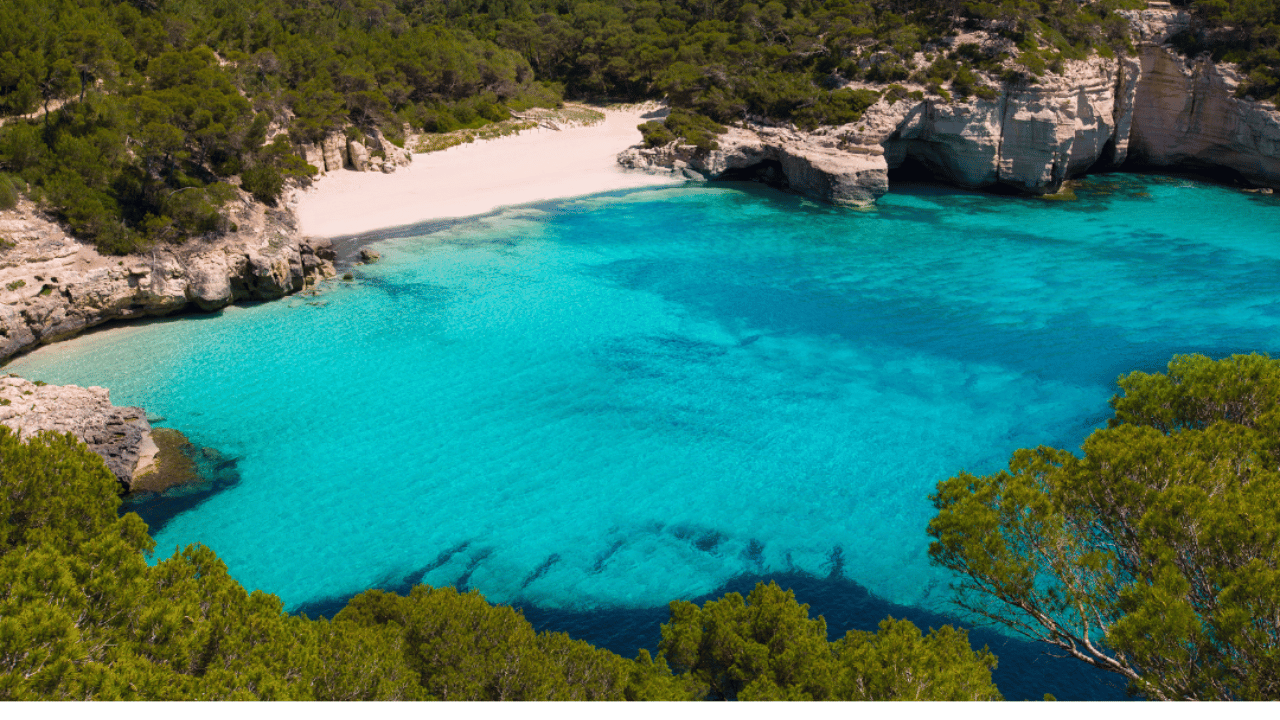
Cala Turqueta: An iconic, pristine beach located on the southwest coast of Menorca, in the municipality of Ciutadella, it is famous for its pines that reach down to the shore, creating a preserved, picturesque Mediterranean landscape.
These small coves, lined with pine trees, evoke an almost Caribbean-like setting. The water is often clear and shallow, making it ideal for a serene escape.
The wild beaches of the north
The northern coast reveals more rugged landscapes:
Cala Pregonda: Known for its golden-hued sand, this pristine beach located on the northern coast of Menorca is one of the island's most unique and iconic coves.
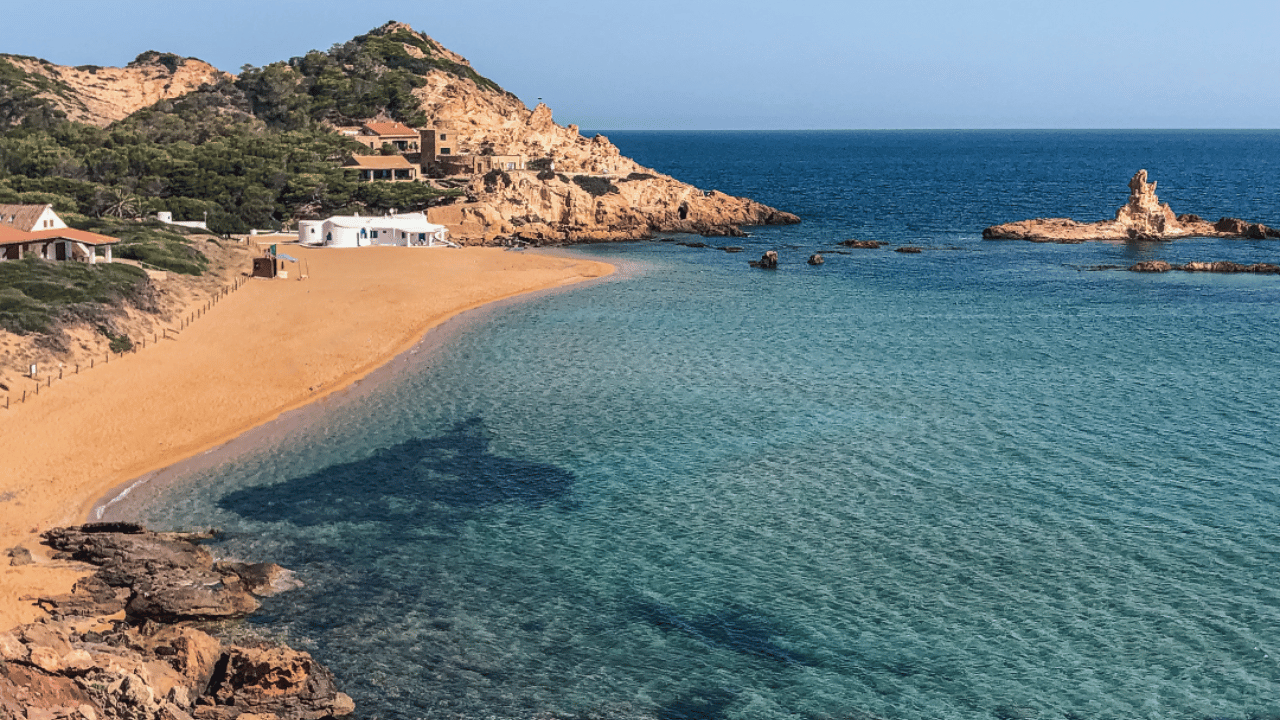
Playa de Cavalleria: Famous for its golden-red sand and pristine surroundings, this beach is part of the protected coastline in the Es Mercadal area, near Cape Cavalleria and its lighthouse.
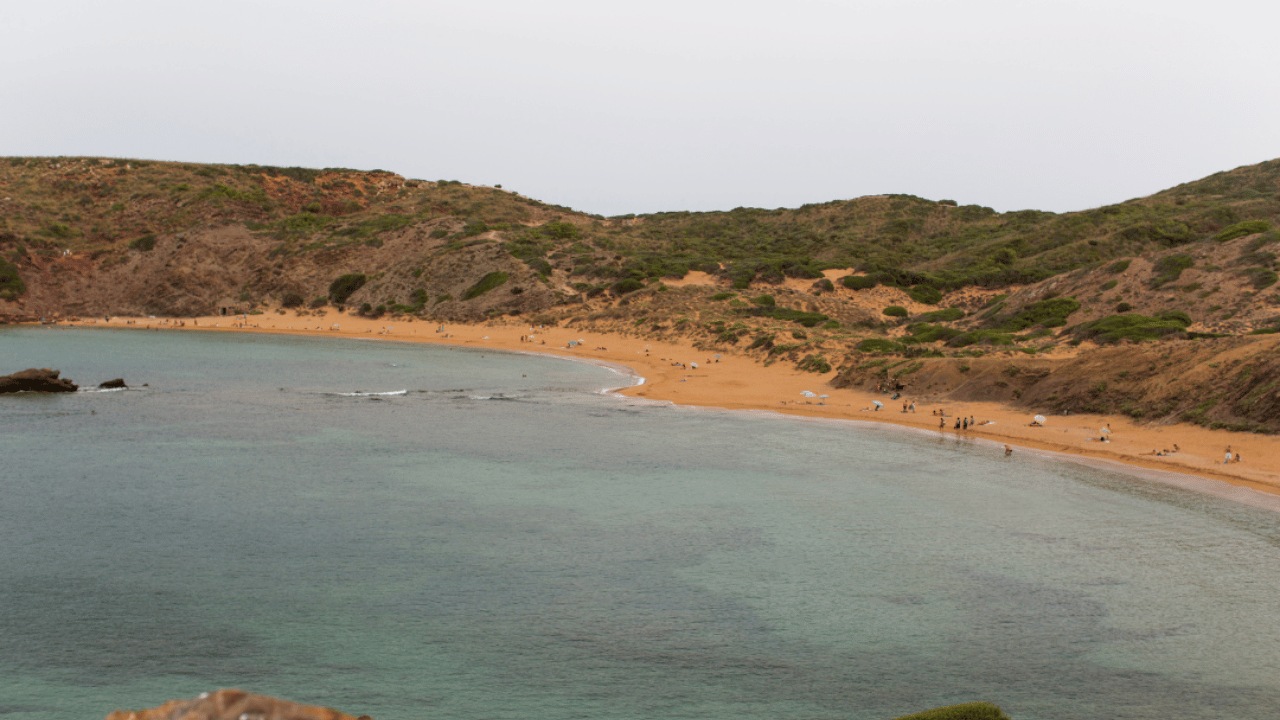
Here, the ochre rocks contrast with the deep blue of the sea.
Family-friendly beaches
For easy access and amenities (showers, restaurants, lifeguarded areas), consider:
Son Bou, the longest beach on the island: It attracts families and vacationers thanks to its shallow waters and modern facilities.
Cala Galdana: This crescent-shaped beach is especially popular with families for its natural beauty and comprehensive services.
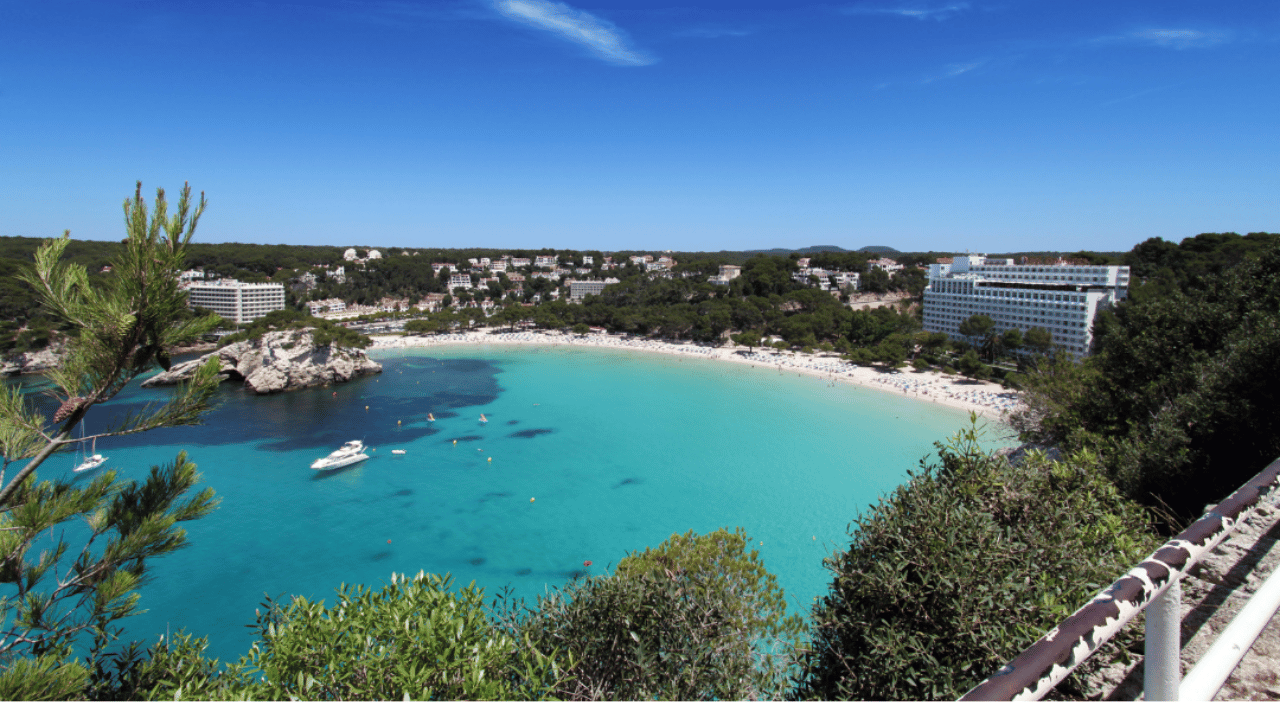
These large beaches offer comfort and safety for children.
What to do in Menorca during your stay?
Outdoor and nature activities
Camí de Cavalls
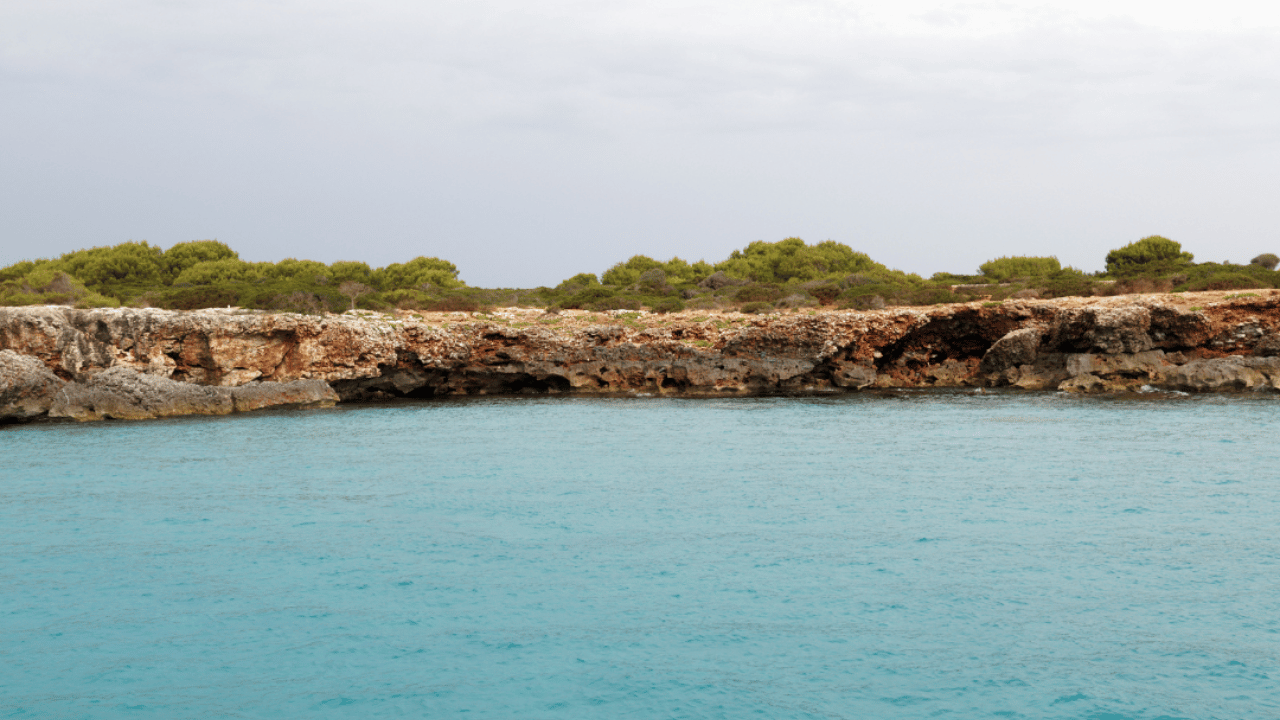
The Camí de Cavalls allows you to circle the island on foot, by bike, or on horseback, offering a complete immersion in Menorca’s diverse landscapes. The routes alternate between cliffs, olive groves, dunes, and panoramic views of the Mediterranean Sea. Don’t miss the sunset at the Cavalleria Lighthouse, a magical moment where the sky is painted in golden hues, or star-gazing in this Starlight Reserve island, a true paradise for astronomy enthusiasts. History and archaeology lovers will enjoy visiting the Talayotic sites, the Lithica labyrinth, and the spectacular Cova des Coloms. Nature lovers will be equally delighted with a visit to the S’Albufera des Grau Natural Park, home to numerous species and an ideal place for a peaceful walk.
Water activities
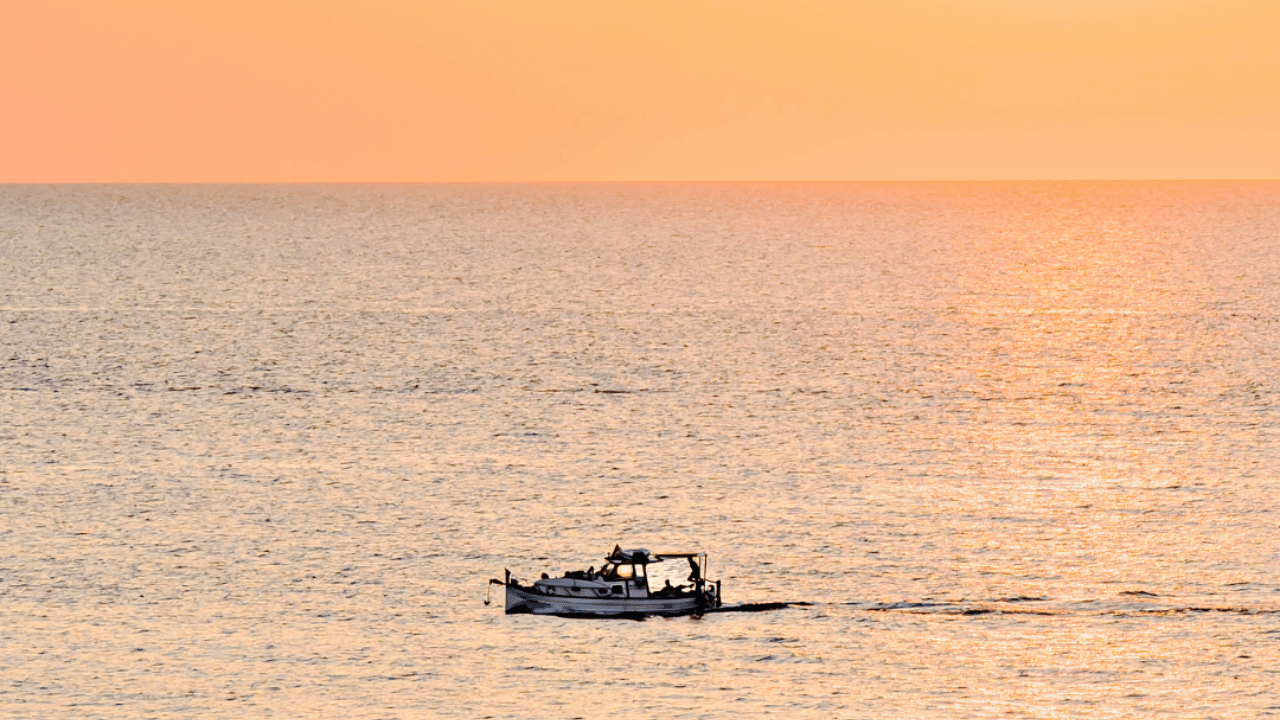
Menorca offers a wide range of water activities suitable for all levels. Paddle along the sea caves in a kayak, rent a boat to explore the secluded coves of the southern coast, or try stand-up paddleboarding at sunrise on a turquoise, calm sea. The underwater world also invites scuba diving, providing a fascinating experience among colorful fish and underwater rock formations. Each activity allows you to fully enjoy the island’s pristine coastline and unique landscapes.
Villages and walks in Menorca
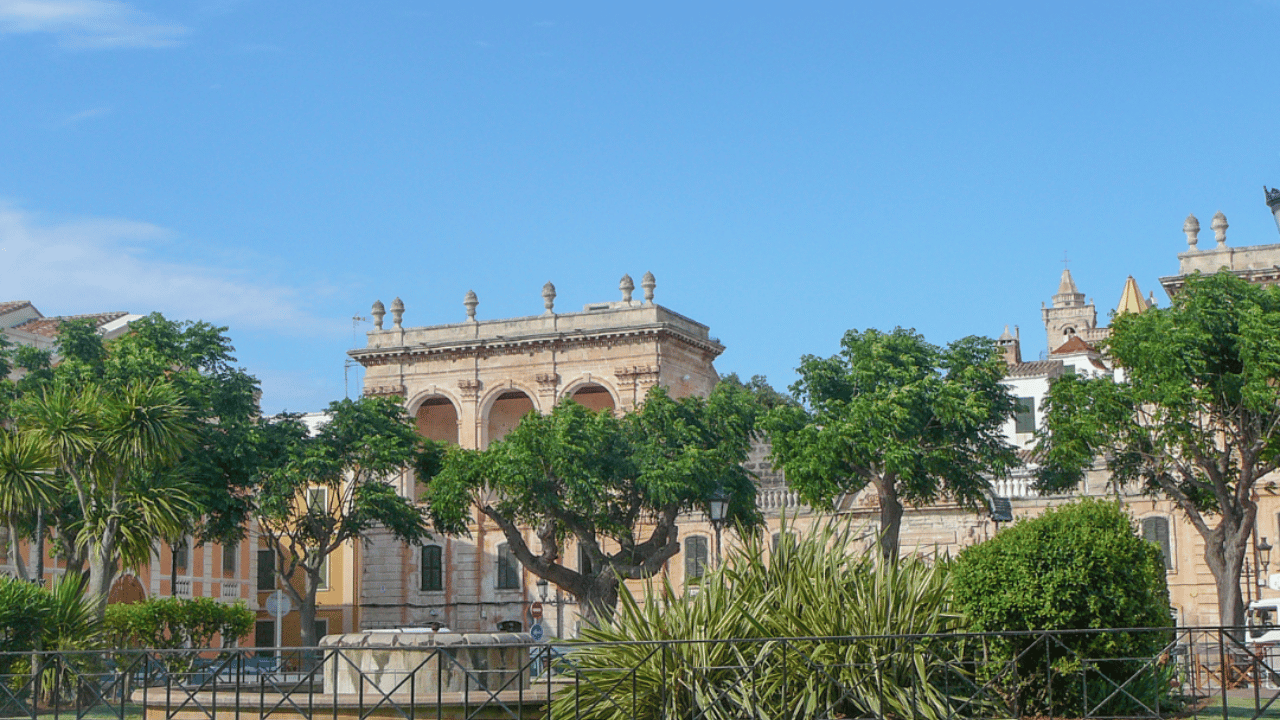
Ciutadella
Strolling through the Gothic streets of Ciutadella or admiring the natural harbor of Maó offers a deep dive into the island’s history and architecture. But the experience doesn’t stop in the main towns: the small, typical villages inland reveal picturesque alleys, lively local markets, and authentic atmospheres. Don’t miss Es Castell, a former British stronghold turned charming port village, where traditions blend with local life. These walks combine heritage, culture, and relaxation, while staying close to the idyllic beaches and the Mediterranean coastline.
Where to stay in Menorca?
Hotels in Menorca, for which types of travelers?
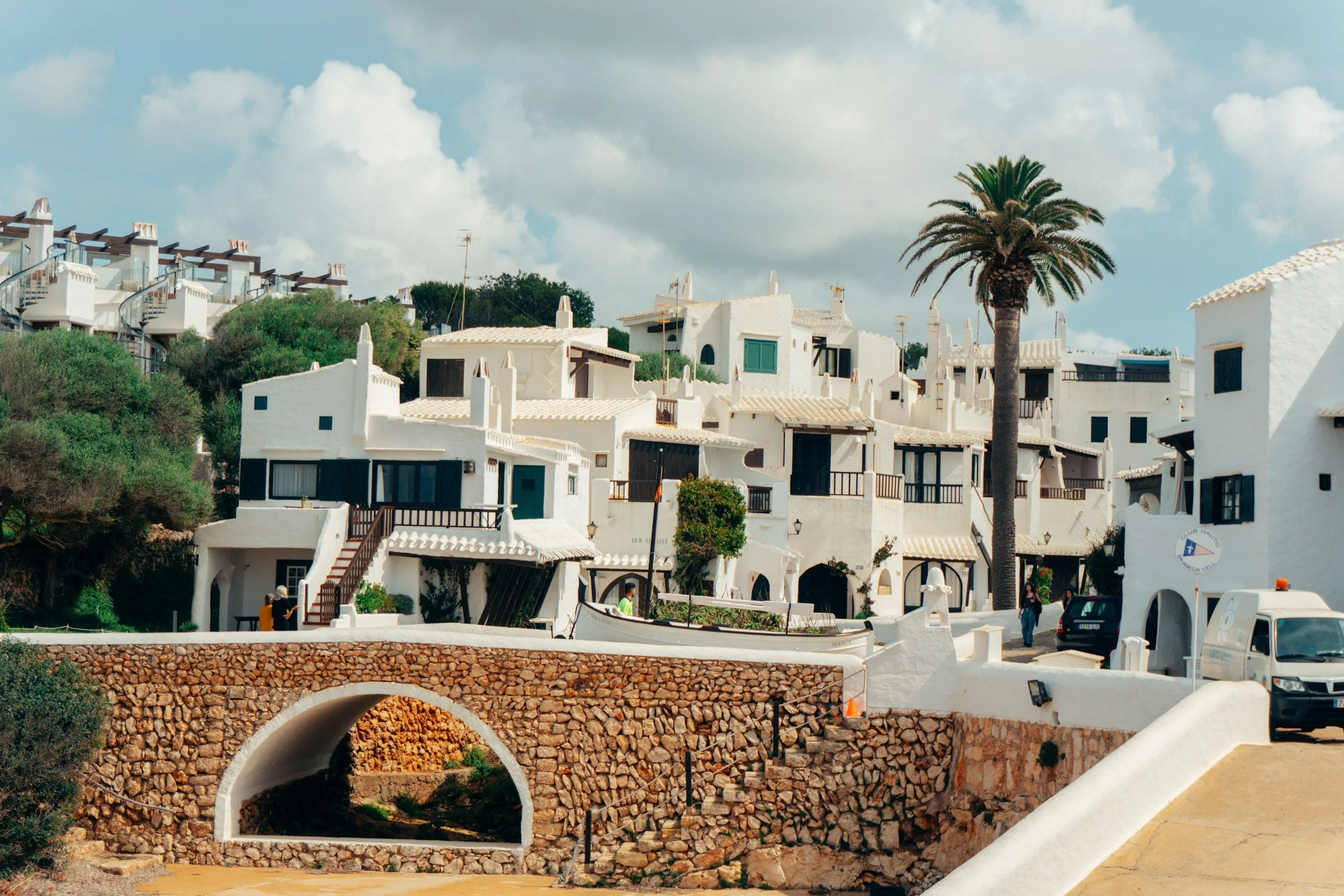
Menorca offers accommodations to suit every type of stay. In the old town of Ciutadella, charming hotels housed in historic buildings captivate with their intimate atmosphere and well-preserved architecture, perfect for a romantic getaway.
Around Maó and in some coastal resorts, you'll find contemporary hotels near the beach, ideal for family vacations. With amenities like pools, quick access to fine sandy beaches, and nearby restaurants, comfort is guaranteed. For more tranquility, rural fincas inland offer a more private setting, nestled in a landscape of olive trees and Mediterranean countryside.
Staying in a villa in Menorca for an exceptional vacation
For a more exclusive experience, renting a mansion in Spain, particularly in Menorca, completely transforms the nature of your stay. Here, there are no set schedules or shared spaces, just the privacy of your own home, often with a pool, garden, and sweeping views over the sea or countryside.
It’s the ideal option for families or groups of friends looking to combine comfort, privacy, and freedom. Imagine having breakfast with a view of turquoise waters, returning from a day on an idyllic beach, and then watching the sunset from your terrace... A villa allows you to experience the island at your own pace, far from crowded areas, while still being close to the most beautiful coves.
Our luxury villas in Menorca with Homanie
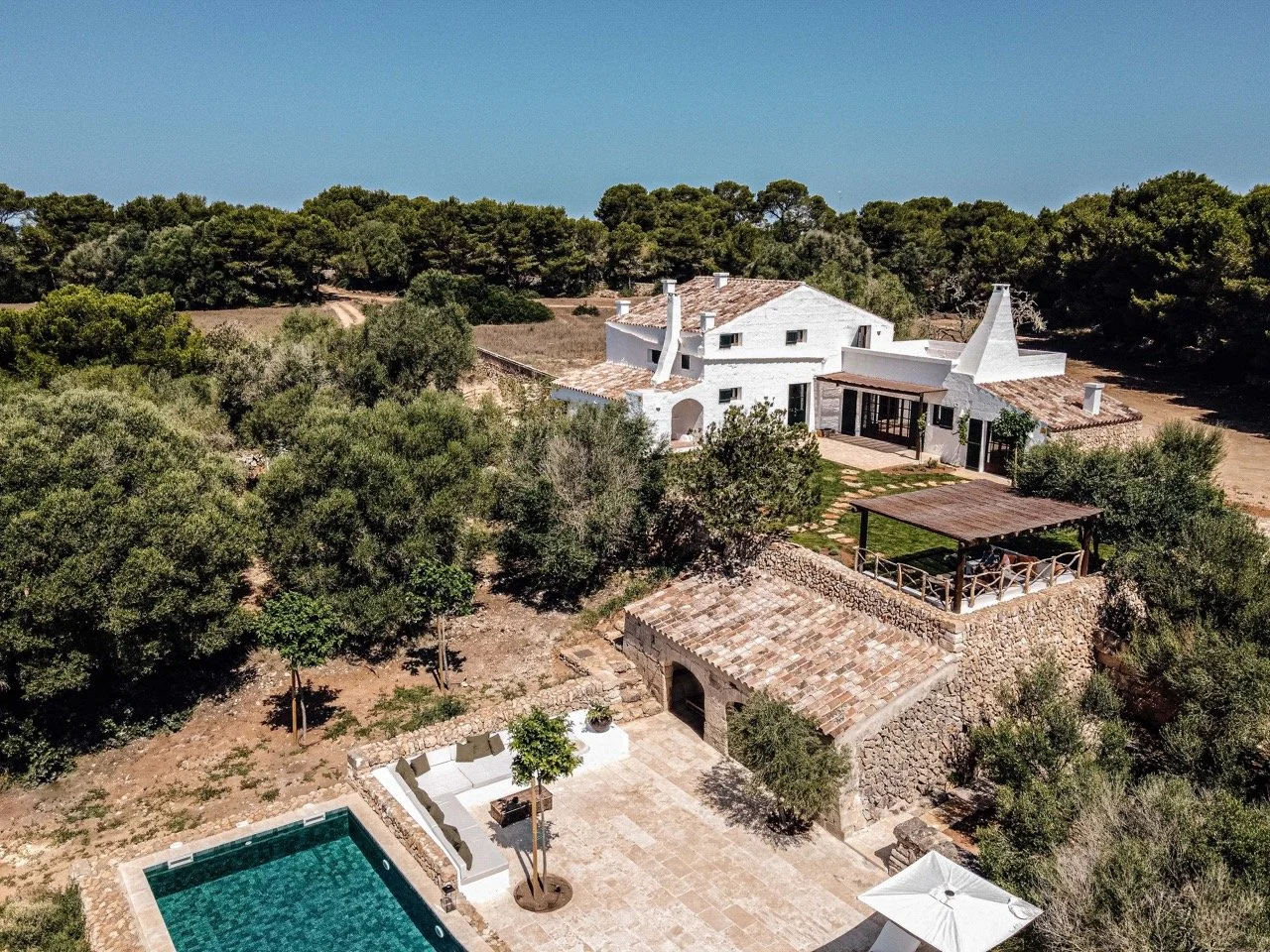
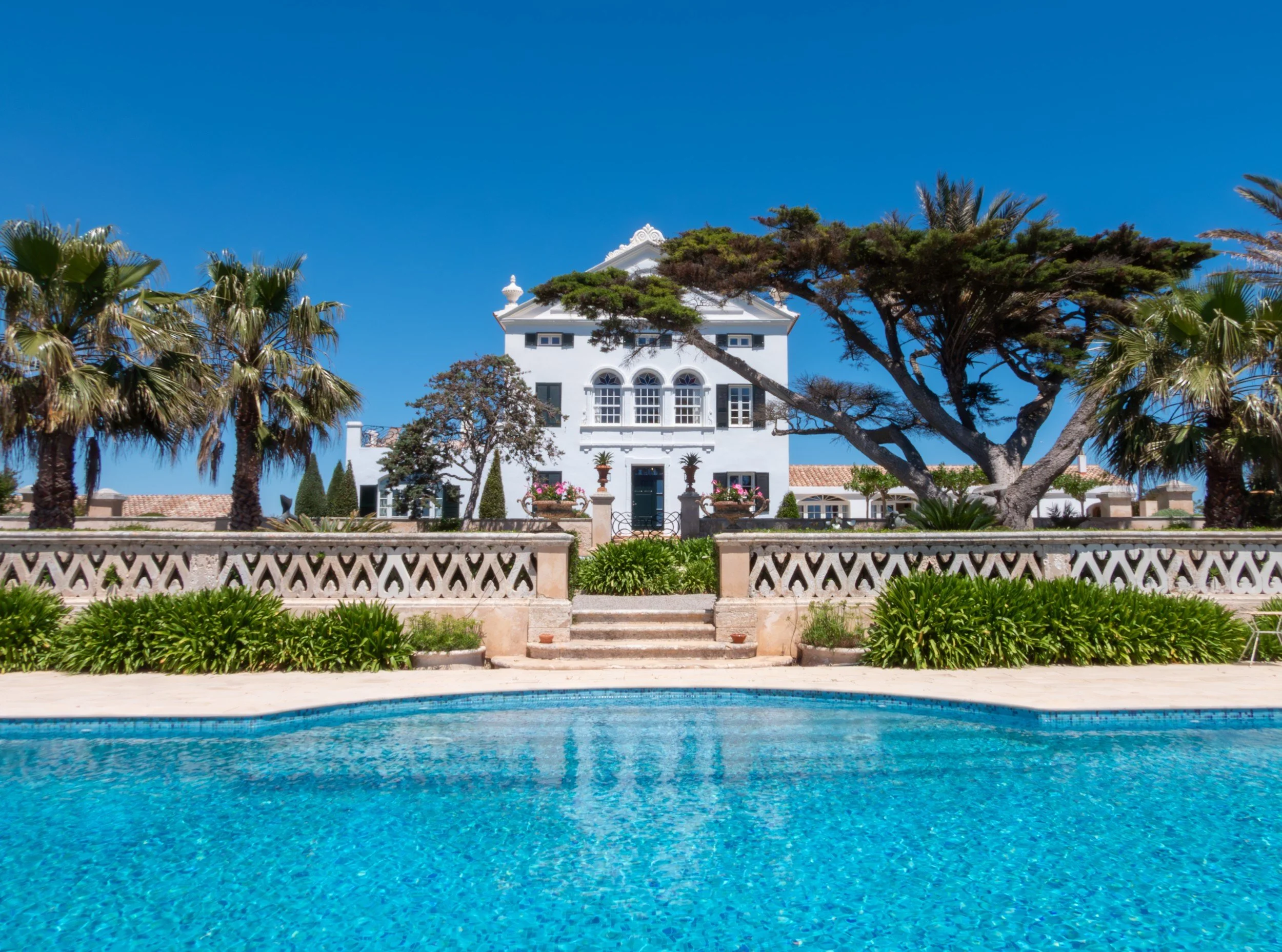
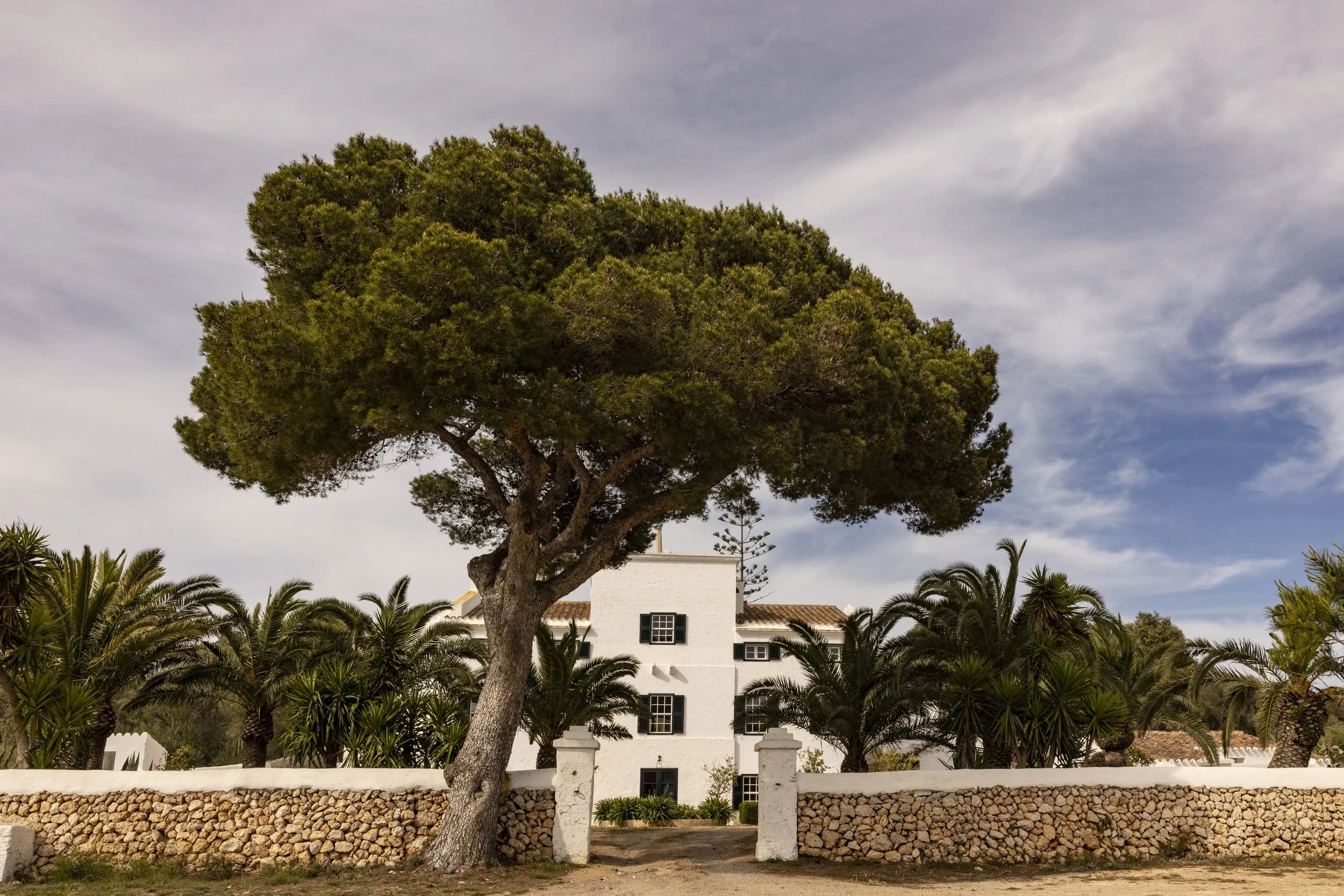

Looking to plan a vacation in Menorca?
Homanie, a collection of exceptional private villas for rent with services and chefs, is here to assist you in selecting the perfect property and organizing a tailor-made stay (chef, activities). Evane is available to guide you through the process.
Practical tips for organizing your stay in Menorca
How many days to spend in Menorca?
To fully enjoy the island, plan at least 5 to 7 days. This allows you to explore the southern coast and its accessible coves, discover the wilder northern coast, spend a day in Ciutadella and another in Maó, while leaving time for beaches, water activities, and some delicious culinary breaks.
If you prefer to take your time, hike the Camí de Cavalls or enjoy multiple boat trips, about ten days will provide a more relaxed and immersive experience.
How to get around Menorca?
Renting a car is the most practical option for exploring the island freely. Some coves and wild beaches require driving a few kilometers on dirt tracks or walking from a parking area, and public transportation doesn't always reach the most remote spots.
In the summer, it's advisable to book your vehicle in advance, especially if you're arriving via Menorca Airport. For short stays focused on a single area, you can combine private transfers and taxis, but for a complete itinerary between the northern and southern coasts, having a car truly simplifies the experience.
What is the budget and cost of living in Menorca?
Menorca has a slightly higher cost of living compared to mainland Spain, especially during the high season. Seafront restaurants, water activities, and accommodations near the most beautiful beaches can drive up the budget in July and August.
That said, the island remains more accessible than some of the more exclusive Mediterranean destinations. Traveling in May, June, or September allows you to enjoy excellent value for money while benefiting from a more tranquil atmosphere.
Menorca, a destination committed to sustainable tourism
Designated a UNESCO Biosphere Reserve since 1993, Menorca has chosen a controlled approach to development. Coastal urbanization is strictly regulated, tall buildings are limited, and many natural areas are protected.
The S'Albufera des Grau Natural Park exemplifies this commitment: preserved wetlands, marked trails, and remarkable biodiversity. The island also promotes responsible tourism, encouraging soft mobility, local products, and the enhancement of its rural heritage. This approach plays a significant role in maintaining its preserved atmosphere.
Why choose Menorca for an exceptional vacation?
Because Menorca offers a rare balance. Here, you'll find beautiful beaches with crystal-clear waters, a fascinating historical heritage, authentic gastronomy, and unspoiled nature, all in an elegant yet understated atmosphere.
Days unfold between swims in turquoise seas, strolls through picturesque villages, cultural discoveries, and moments of serenity as the sun sets. It’s a destination that appeals to both those seeking relaxation and travelers in search of more active experiences, often leaving the impression of having uncovered a well-kept secret of the Balearic Islands.
Discover other exceptional destinations
Menorca: answers to all your questions
-
Menorca is located in the Mediterranean Sea, to the east of Spain, within the Balearic Islands. It lies to the northeast of Mallorca and is the second-largest island in the archipelago. Its geographical location gives it a pleasant Mediterranean climate, with hot, dry summers and mild winters. Easily accessible by plane or ferry, it remains more exclusive and less crowded than its neighboring islands.
-
Yes, Menorca is particularly well-suited for family vacations. Many beaches offer shallow, calm waters, perfect for children's swimming. Some are lifeguarded during the season and feature convenient amenities such as restaurants, showers, and parking.
Beyond the coastline, the island also offers activities accessible to all: boat trips, kayaking, easy walks along the Camí de Cavalls, and fun cultural visits. The overall atmosphere is peaceful, far from the festive excesses found in other beach destinations.
-
It’s hard to choose just one beach, as the landscapes vary so much. Cala Macarella is often mentioned for its light sand and turquoise waters, while Cala Pregonda charms visitors with its golden hues and wilder surroundings.
Those who enjoy long stretches of sand will appreciate Son Bou, while those seeking a more intimate atmosphere will prefer a small cove accessible after a short walk. The choice really depends on your style of stay: comfort, seclusion, or spectacular scenery.
-
Yes, renting a car is highly recommended to explore the island fully. If you want to reach secluded coves, alternate between the northern and southern coasts, or visit remote natural and archaeological sites, a car provides real freedom.
It’s possible to stay without a vehicle if you remain in one well-served area, but for a complete and flexible stay, renting a car remains the most practical option.
-
For a luxury stay in Menorca, you can choose a 4 or 5-star hotel in the historic center of Ciutadella or a seafront property offering modern comfort and Mediterranean views.
However, for a more exclusive experience, renting a private villa remains the ideal choice: pool, privacy, spacious areas, and proximity to the most beautiful coves. This is exactly what Homanie offers, with a carefully curated selection of luxury villas known for their location and high-quality services, perfect for an exceptional vacation in the Balearic Islands.