Most beautiful villages in France: Complete guide
Published on July 10, 2026 | Reading time: 14 min
By Laurine Baille, Marketing Project Manager at HOMANIE
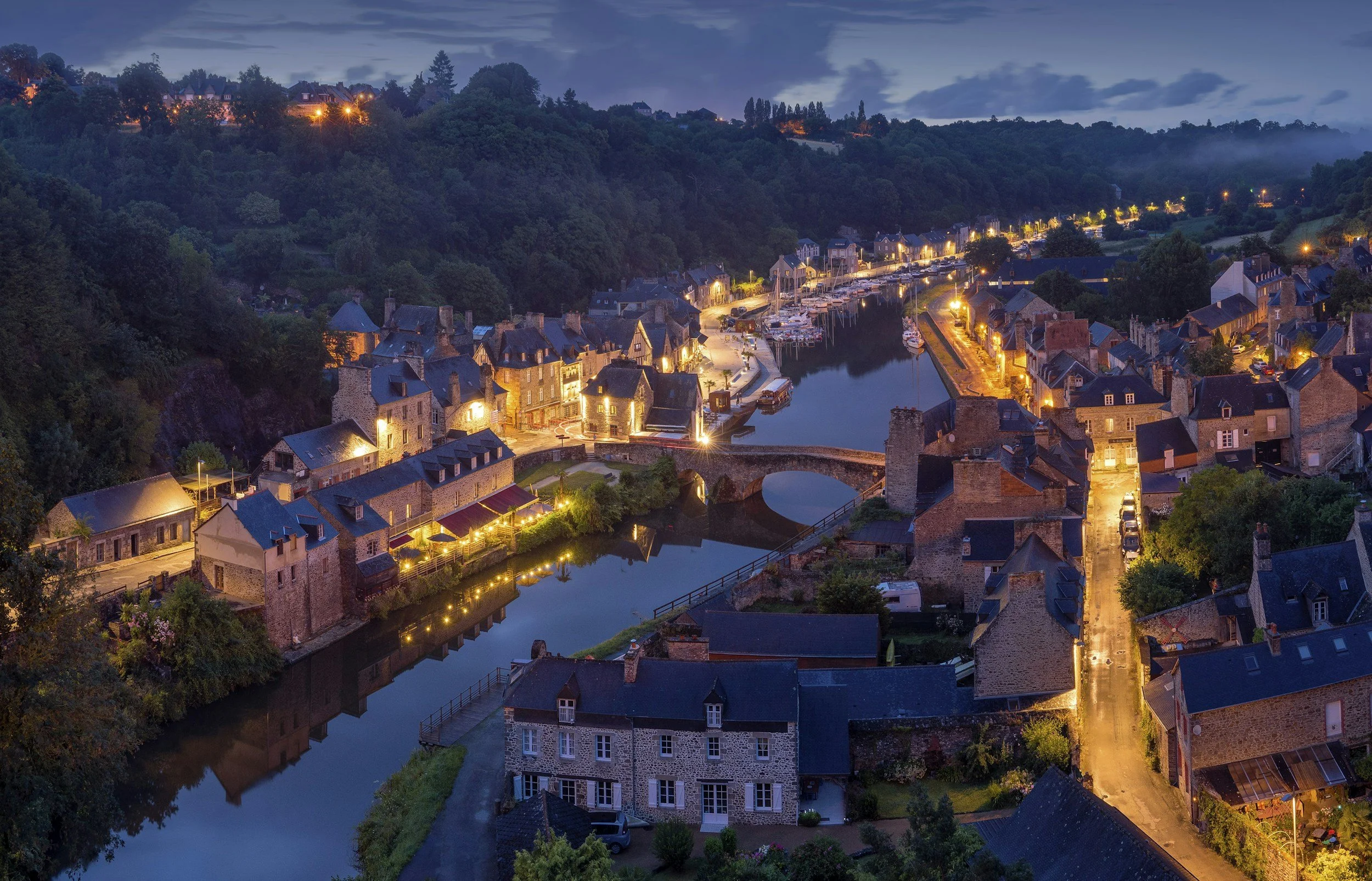
From cobbled streets lined with stone houses to lively squares where time seems to stand still, France is home to countless villages with a charm all their own. Set between the sea, mountains, vineyards and rolling countryside, each one reveals a distinctive heritage, architectural style and atmosphere.
Whether you are planning a romantic escape, a family holiday or a road trip through the French countryside, these villages offer an authentic glimpse into the country’s history and way of life. In this guide, discover our selection of the most beautiful villages in France, along with practical tips to help you plan your stay and make the most of each destination.
Summary
What are the most beautiful villages in France?
From the hilltop beauty of Gordes and Roussillon to the medieval charm of Èze, Saint-Paul-de-Vence, Eguisheim, Colmar, Rocamadour, Domme, Conques and Moustiers-Sainte-Marie, France is home to some of Europe's most enchanting villages.
Many of these destinations have earned the prestigious "Les Plus Beaux Villages de France" label, an official designation created to protect and promote France's most remarkable rural communities. To receive this recognition, villages must meet strict criteria, including a rich architectural and historical heritage, a well-preserved character, and a commitment to maintaining their authenticity.
Beyond their historic streets and centuries-old buildings, the most beautiful villages in France are often set in spectacular landscapes. Some overlook dramatic cliffs or turquoise rivers, while others are surrounded by lavender fields, vineyards, olive groves or rolling hills. Together, their cultural heritage, authentic atmosphere and breathtaking natural settings make them unforgettable destinations for travellers seeking to experience the true essence of France.
Top 10 most beautiful villages in France
Gordes (Provence)
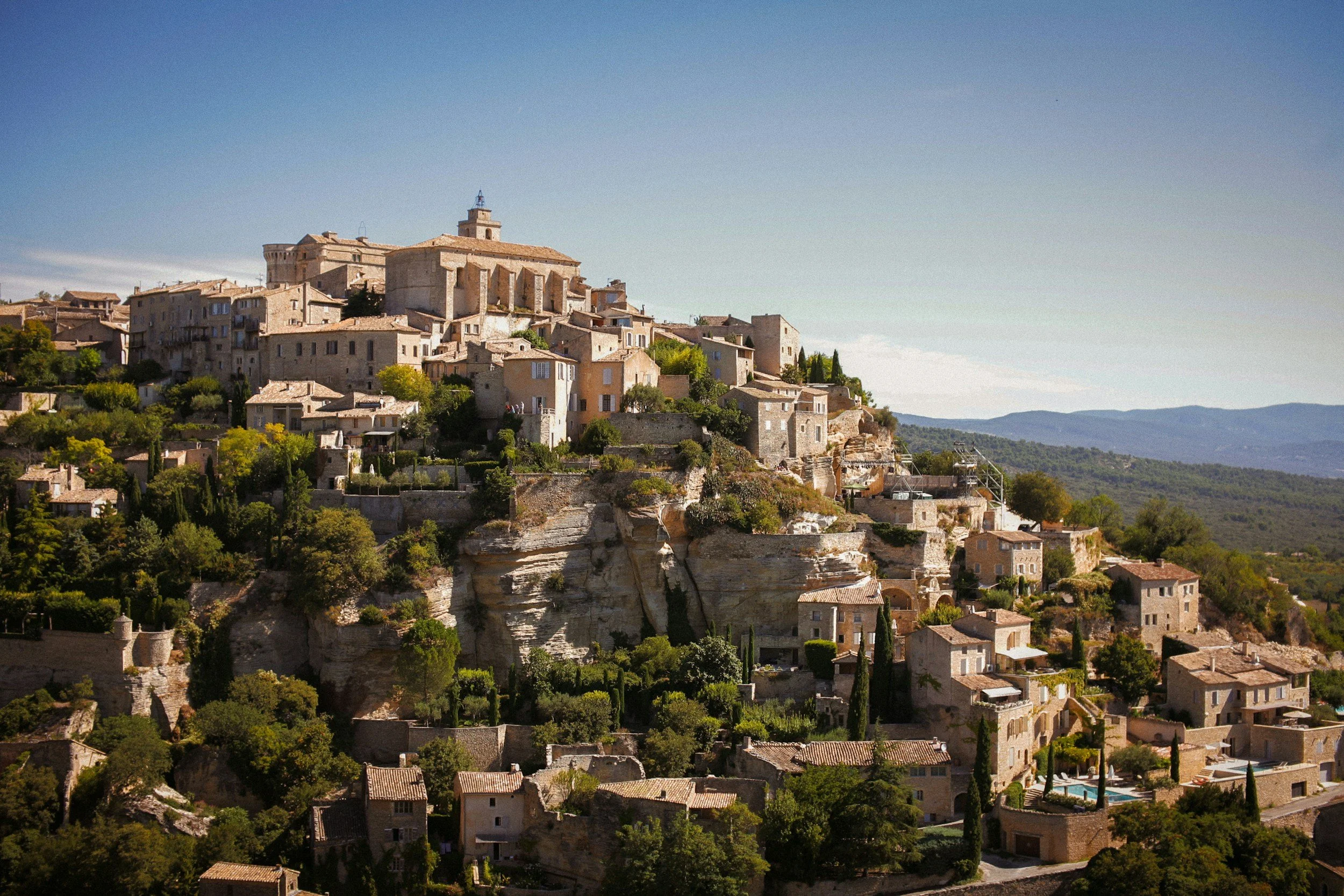
Perched high above the Luberon Valley, Gordes is one of the most iconic villages in Provence. Its honey-coloured stone houses cascade down the hillside, creating a breathtaking panorama that perfectly captures the timeless beauty of southern France.
Beyond its postcard-perfect views, Gordes is renowned for its authentic Provençal atmosphere. Wander through charming cobbled lanes, discover local art galleries, browse the weekly market, or relax at a café overlooking the valley. Just a few minutes away, you'll also find the beautiful Abbaye de Sénanque, famous for its lavender fields that bloom each summer, making Gordes an unforgettable destination for anyone exploring Provence.
Roussillon (Provence)
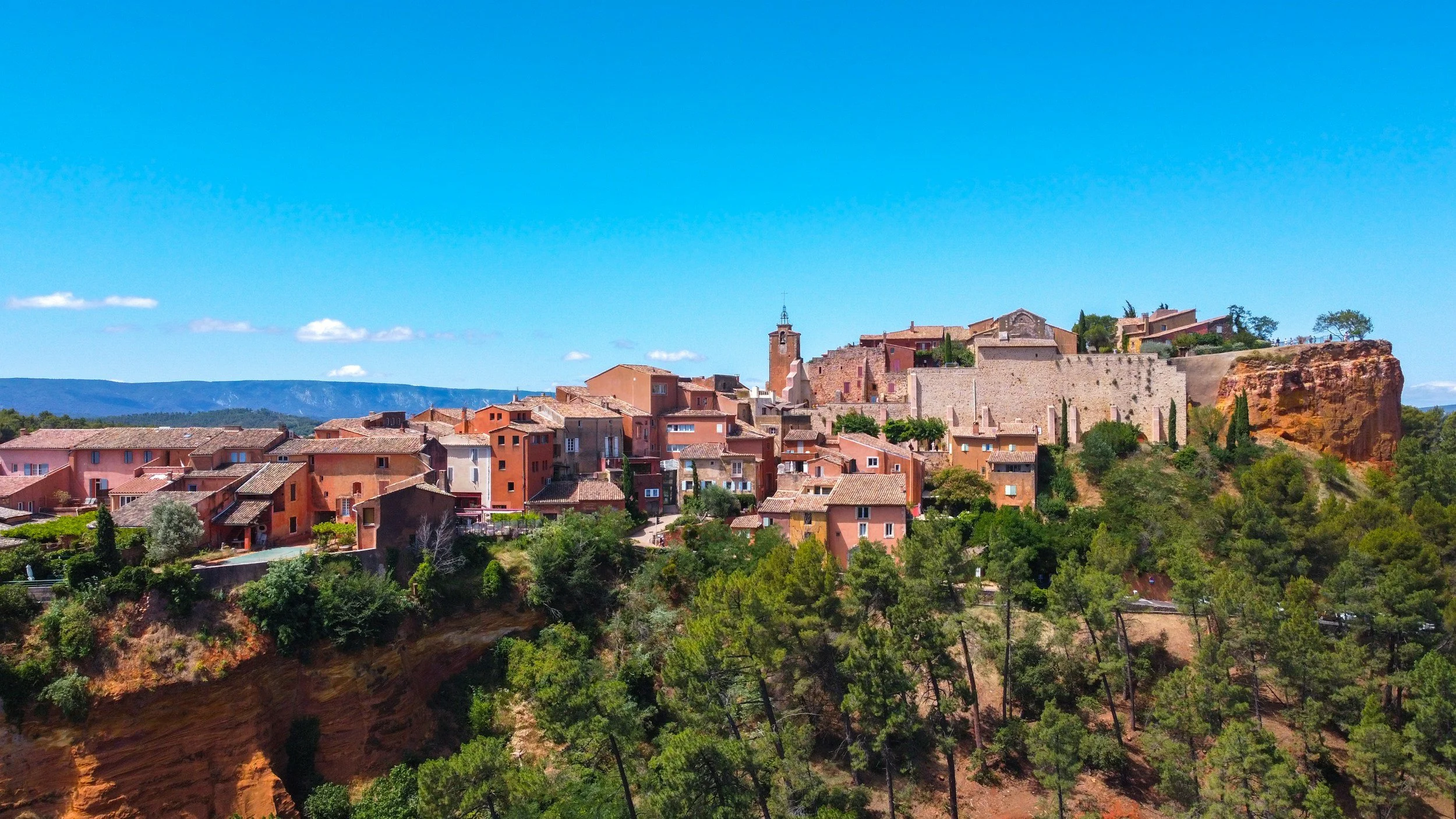
Roussillon is one of the most distinctive villages in Provence, renowned for its spectacular ochre cliffs and colourful façades. Formed by natural ochre deposits that have been exploited for centuries, these vibrant shades of red, orange and gold give the village a character unlike any other in France.
Beyond its unique colours, Roussillon offers charming streets, panoramic viewpoints and a rich artistic heritage that has long inspired painters and photographers. A walk along the Sentier des Ocres reveals the remarkable landscapes shaped by centuries of ochre mining, making it one of the village's most memorable experiences.
Saint-Paul-de-Vence (French Riviera)
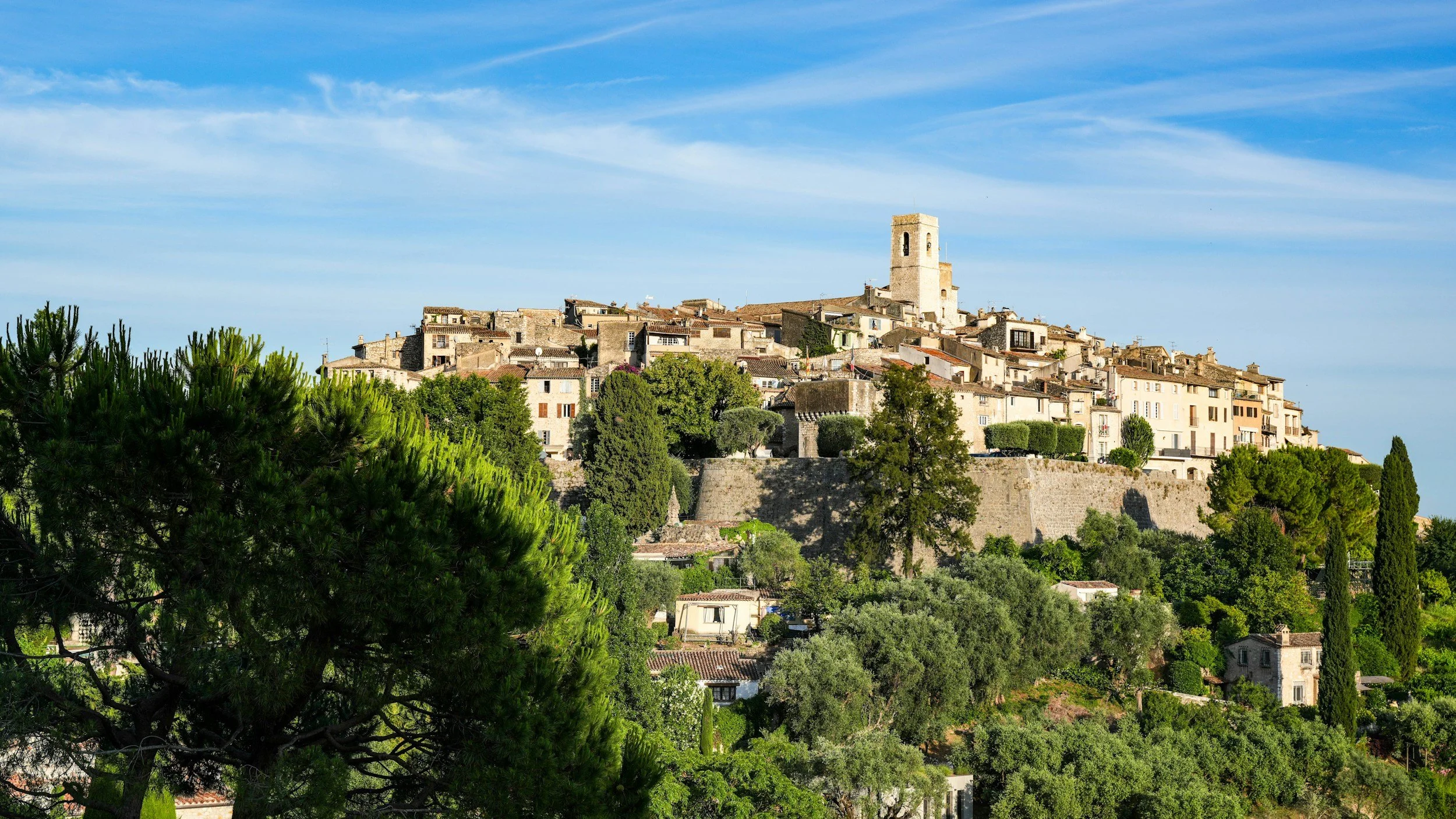
Enclosed by perfectly preserved 16th-century ramparts, this hilltop village has attracted renowned artists including Marc Chagall, Pablo Picasso and Henri Matisse, leaving a lasting artistic legacy that can still be felt today.
Its narrow stone streets are lined with contemporary art galleries, craft workshops and elegant boutiques, while the nearby Fondation Maeght houses one of Europe's most important collections of modern art. Combining medieval architecture with a thriving artistic scene, Saint-Paul-de-Vence offers a unique experience on the French Riviera.
Èze (French Riviera)
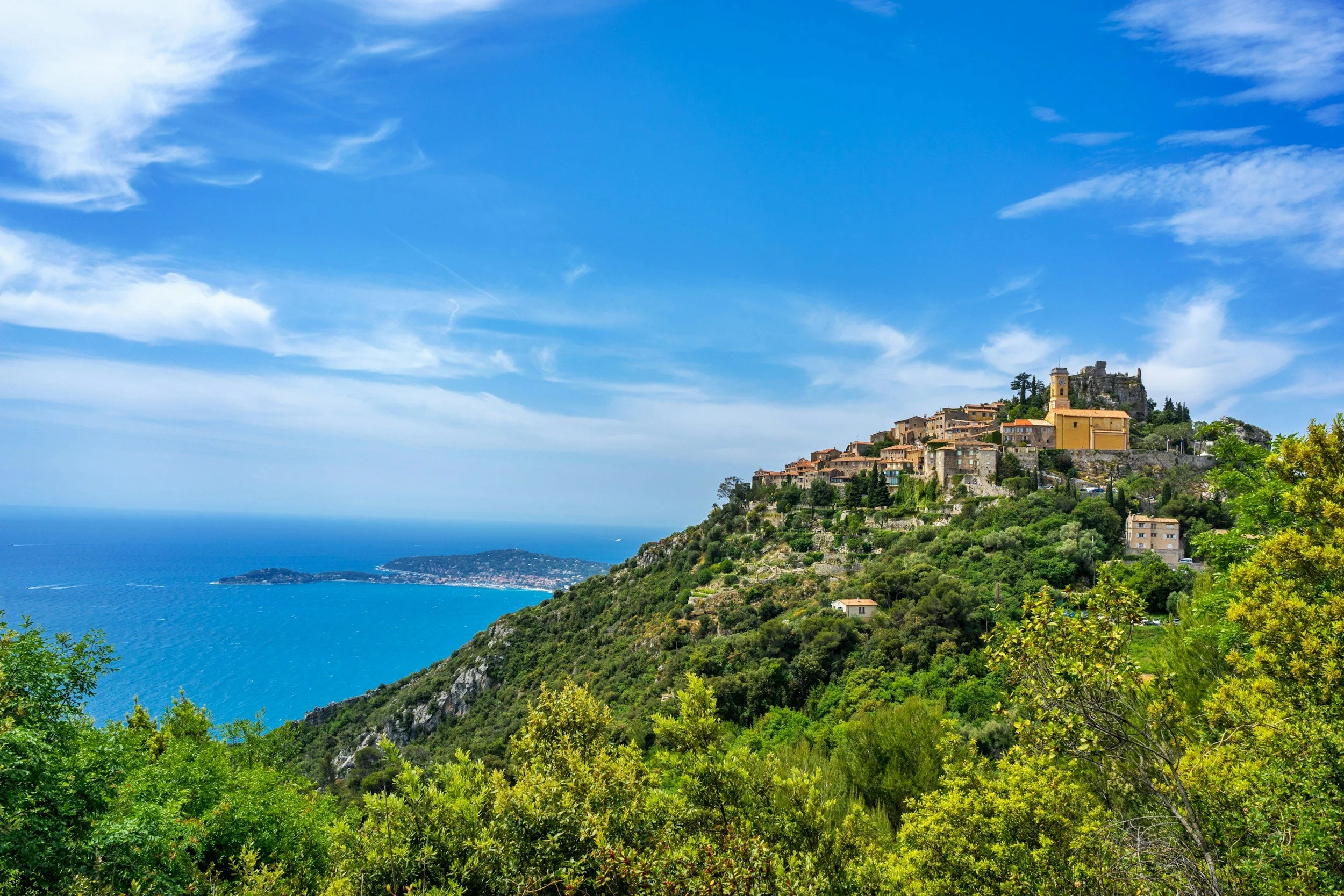
Perched nearly 430 metres above the Mediterranean Sea, Èze is famous for its spectacular coastal views. Narrow cobbled streets wind through the village to its summit, where the Jardin Exotique rewards visitors with one of the most spectacular views over the French Riviera.
Despite its proximity to Monaco and Nice, Èze has preserved its peaceful atmosphere and historic character. Visitors come to admire its stone houses, artisan boutiques and hidden courtyards before descending to the coastline via the famous Nietzsche Path, one of the region's most scenic hiking trails.
Eguisheim (Alsace)
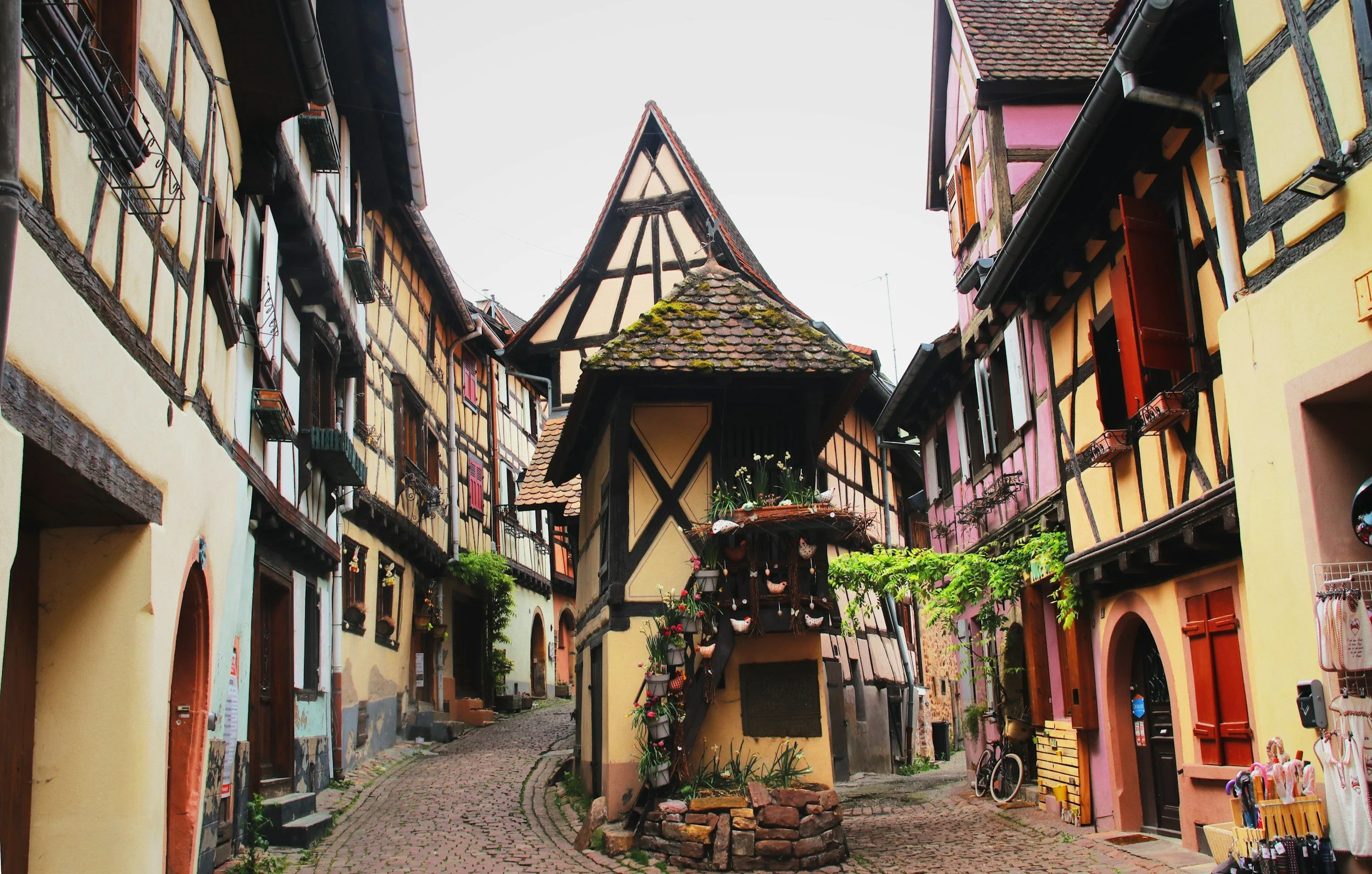
Nestled among the vineyards of Alsace, Eguisheim is one of France's most charming villages, instantly recognisable by its colourful half-timbered houses and flower-filled streets. Its distinctive circular layout, built around the medieval castle, makes it unlike any other village in the region.
Eguisheim also lies along the famous Alsace Wine Route, making it an ideal stop for discovering some of France's finest white wines. Throughout the year, visitors can explore local wine cellars, enjoy traditional Alsatian cuisine and experience a village that perfectly blends history, culture and winemaking traditions.
Colmar (Alsace)
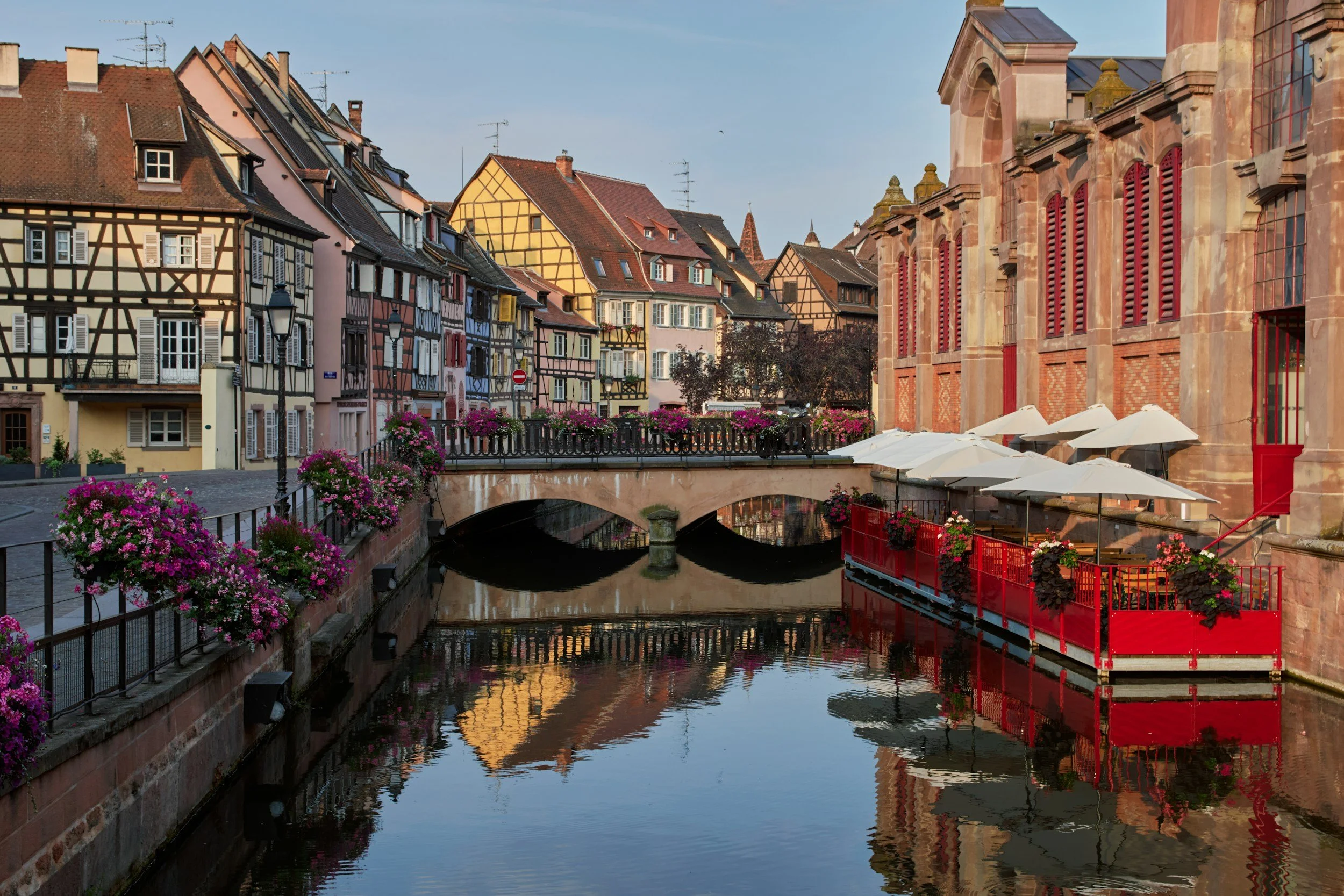
Often described as one of the most picturesque towns in France, Colmar is renowned for its colourful half-timbered houses, flower-lined canals and remarkably well-preserved historic centre. The district known as "Little Venice" is particularly famous for its charming waterways, best explored on foot or by boat.
Colmar is also a cultural destination, home to remarkable museums, lively markets and a rich Alsatian culinary tradition. Whether visiting in summer or during its world-famous Christmas markets, the town offers a unique blend of history, architecture and local traditions that make it one of the highlights of eastern France.
Rocamadour (Occitanie)
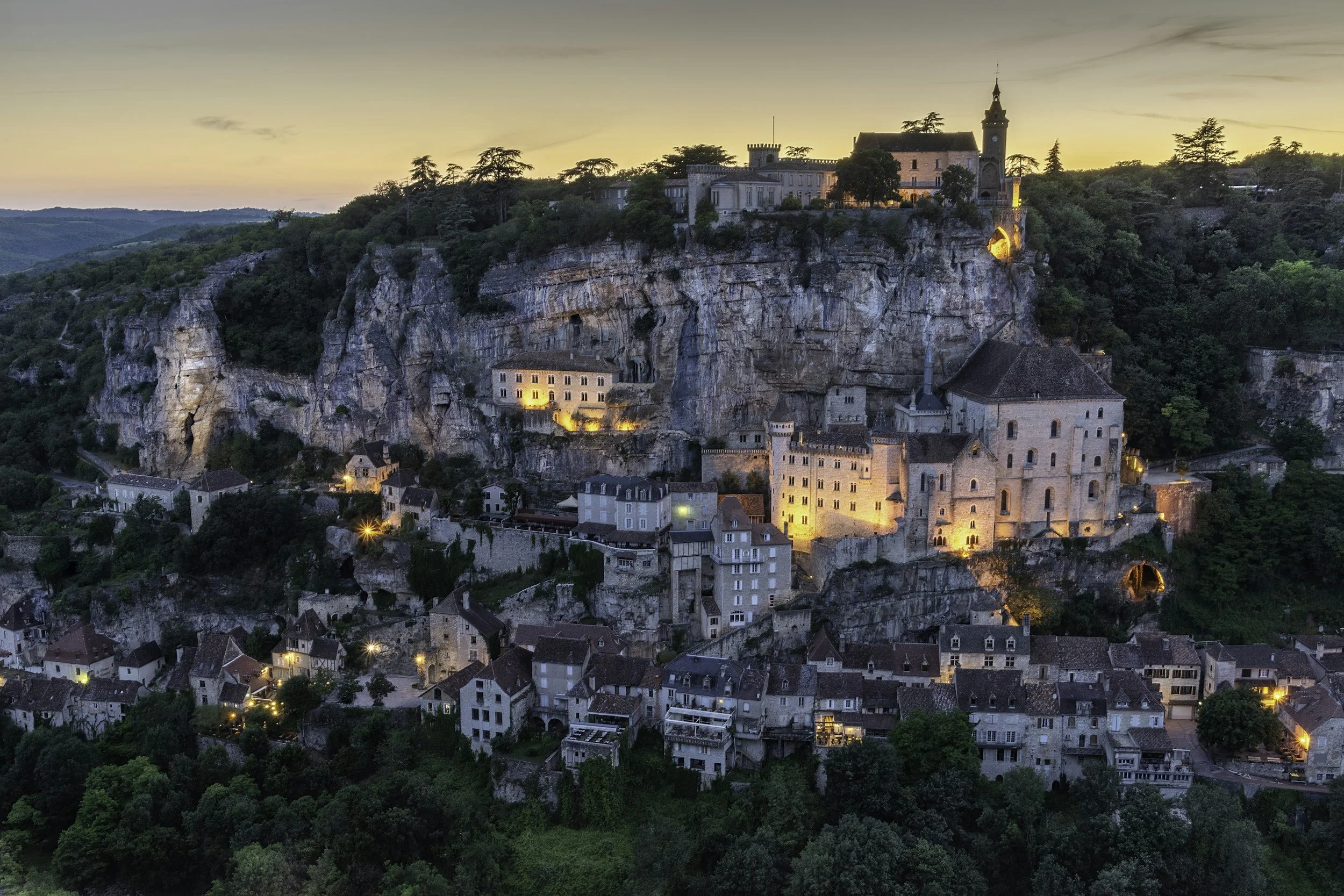
Clinging dramatically to the limestone cliffs of the Dordogne Valley, Rocamadour is one of France's most spectacular villages. This remarkable hillside sanctuary appears to rise directly from the rock, creating one of the country's most iconic landscapes.
For centuries, Rocamadour has been an important pilgrimage site, attracting visitors to its medieval streets, historic chapels and the renowned Sanctuary of Rocamadour. Whether drawn by its religious heritage, breathtaking setting or panoramic views over the surrounding valley, visitors quickly discover why it is considered one of France's most extraordinary destinations.
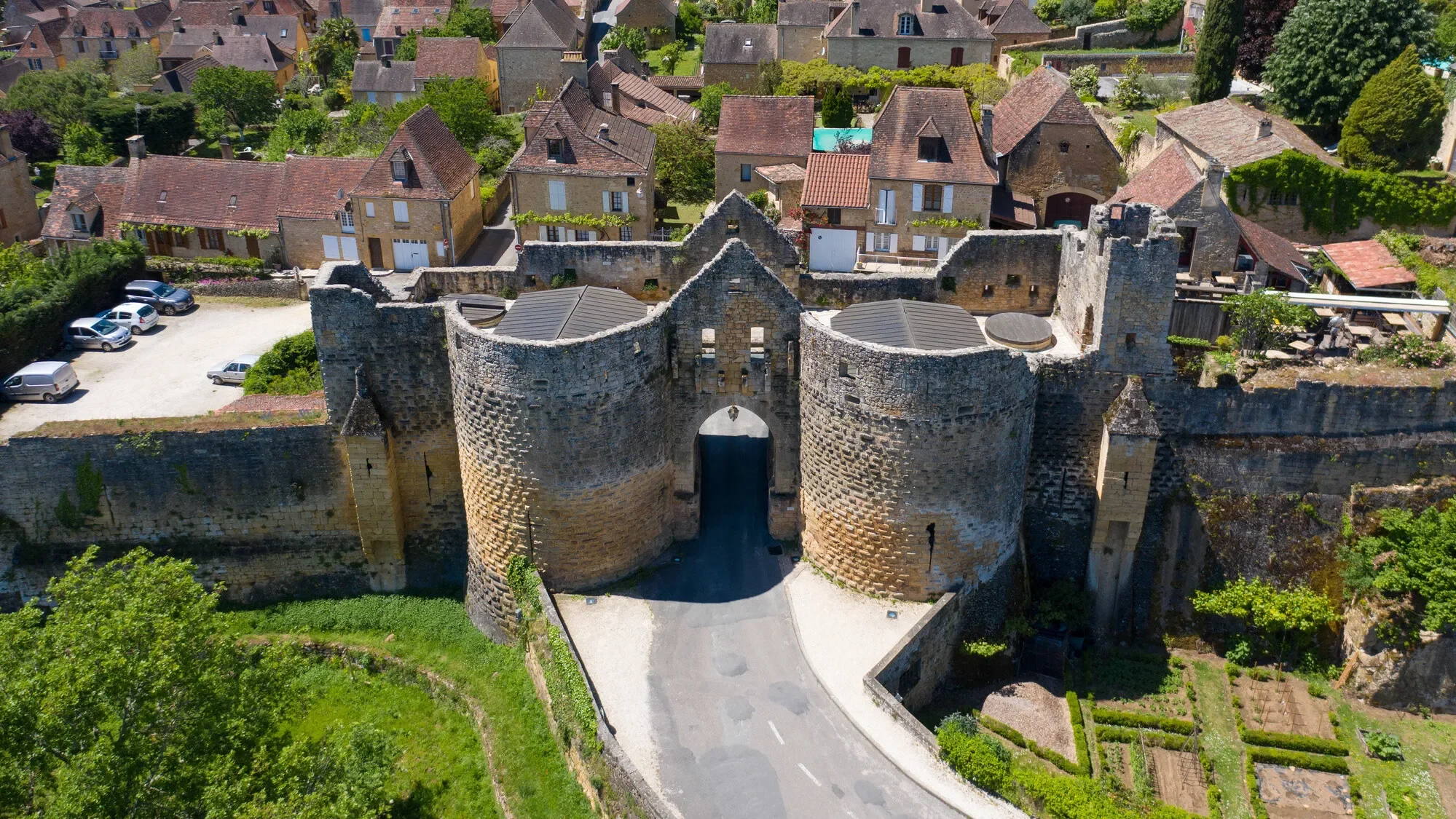
Domme (Dordogne)
Perched on a rocky plateau overlooking the Dordogne Valley, Domme is one of the finest examples of a medieval village in southwestern France. Its fortified gates, narrow streets and well-preserved stone buildings reflect the village's rich history, while its elevated position offers breathtaking views across the surrounding countryside.
Beyond its medieval heritage, Domme is an ideal base for exploring the Dordogne region, with its castles, rivers and prehistoric sites. Visitors can stroll through lively market squares, discover local specialties such as foie gras and walnuts, or simply admire one of the most beautiful panoramas in the region.
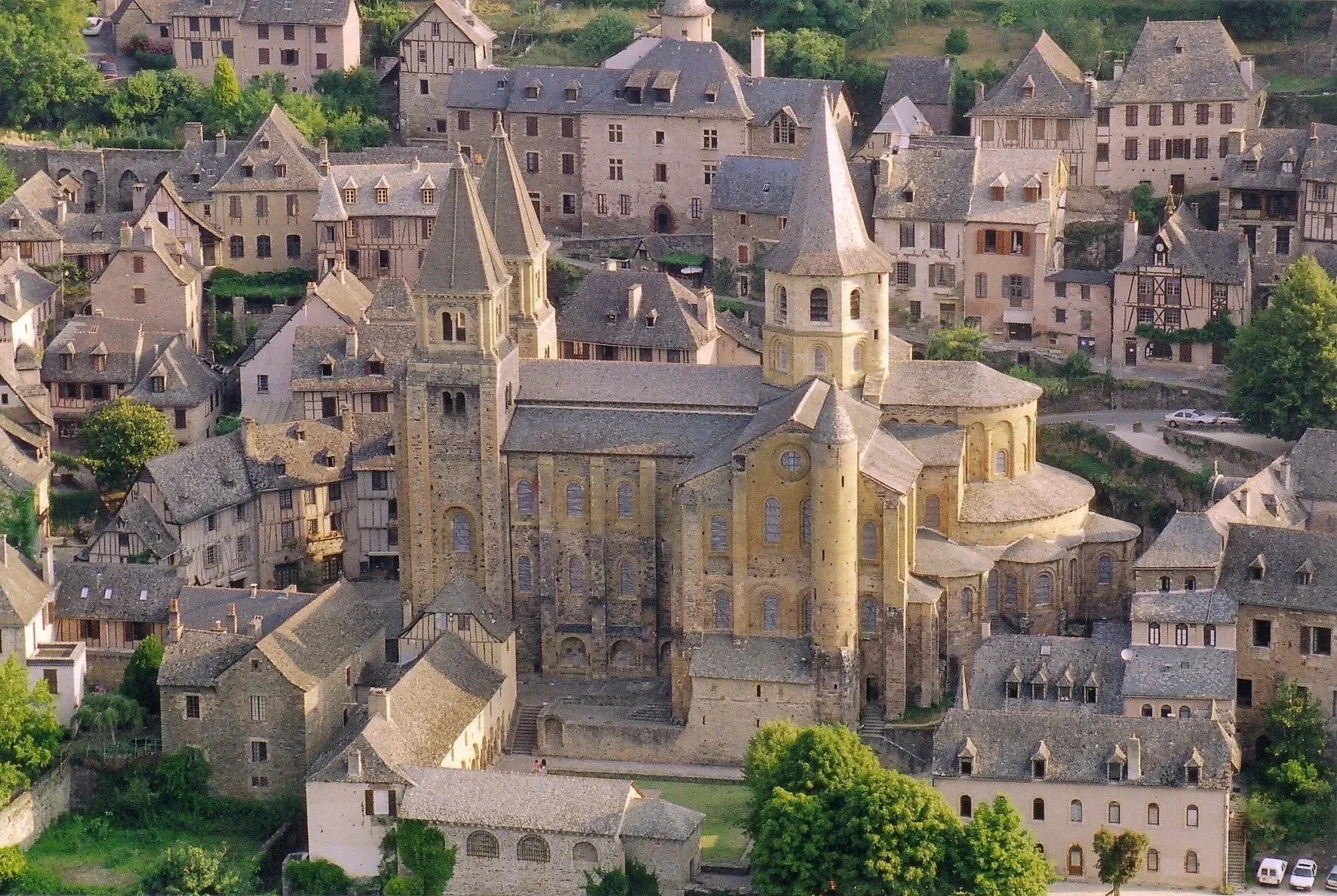
Conques (Aveyron)
Hidden in a lush valley in the heart of Aveyron, Conques is one of France's best-preserved medieval villages. Its narrow cobbled streets, traditional stone houses and peaceful atmosphere have remained largely unchanged for centuries, offering visitors a remarkable journey back in time.
Conques is best known as a major stop on the Camino de Santiago pilgrimage route and for its magnificent Romanesque abbey church, home to an exceptional collection of medieval treasures and contemporary stained-glass windows designed by artist Pierre Soulages.
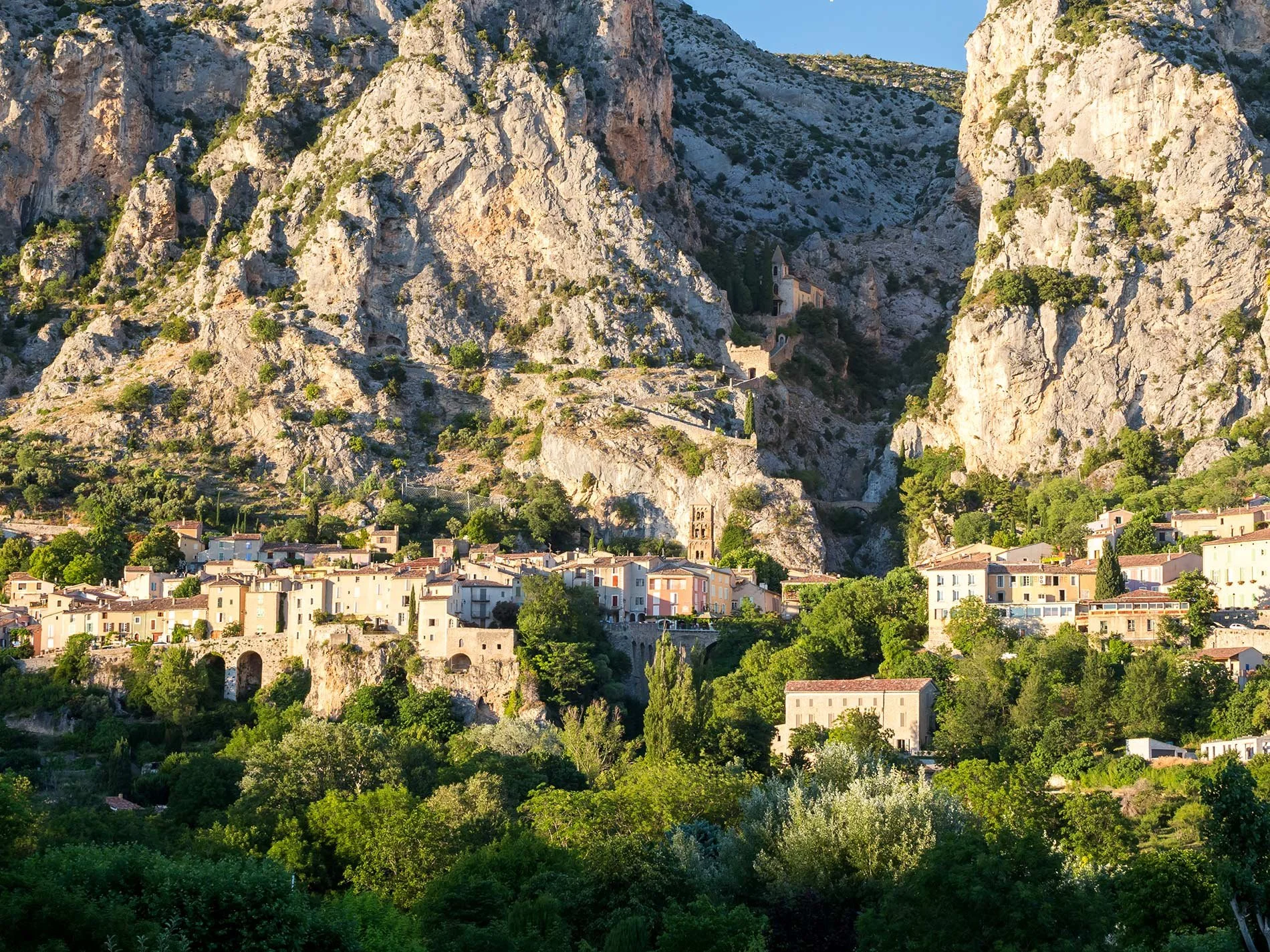
Moustiers-Sainte-Marie (Provence)
Nestled between towering limestone cliffs at the entrance to the Verdon Regional Natural Park, Moustiers-Sainte-Marie is one of Provence's most spectacular villages. Its cascading stone houses, charming streets and mountain setting create a unique landscape, while the famous golden star suspended between the cliffs has become the village's iconic symbol.
Moustiers-Sainte-Marie is also renowned for its centuries-old tradition of fine faience pottery, with local workshops continuing to produce beautifully handcrafted ceramics. Its proximity to the breathtaking Gorges du Verdon and the turquoise waters of Lac de Sainte-Croix makes it an essential stop for anyone exploring Provence.
Best regions to discover beautiful villages in France
Beautiful villages in Provence
Provence offers far more than postcard landscapes. A single stay allows visitors to explore hilltop villages, browse colourful local markets, taste wines directly at family-owned estates, hike through the Luberon or the Verdon Gorge, and discover Roman monuments in towns such as Arles, Nîmes and Orange. Thanks to more than 300 days of sunshine each year, outdoor living is part of everyday life. Long lunches on shaded terraces, evenings in village squares and scenic drives through vineyards and olive groves make Provence one of France's most rewarding regions to explore.
Beautiful villages on the French Riviera
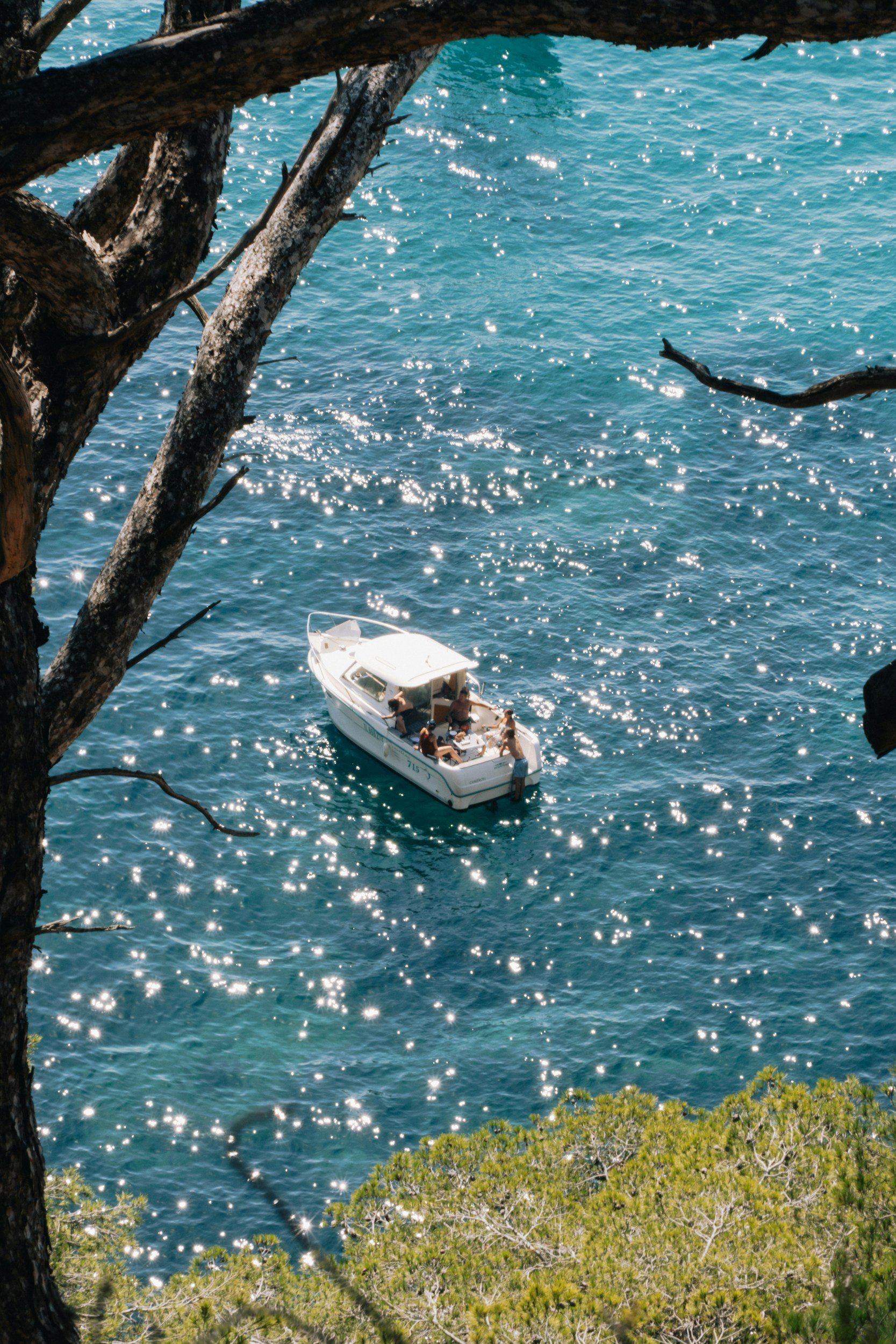
The French Riviera is one of the best regions in France for combining beautiful villages with coastal activities. Its Mediterranean climate allows visitors to enjoy the sea for much of the year, whether by renting a boat, exploring the coastline, or visiting nearby islands such as the Lérins Islands or Porquerolles. The region is also home to some of the most beautiful cities on the Côte d'Azur, making it easy to combine picturesque villages with iconic destinations such as Nice, Cannes and Antibes. Away from the beaches, the region also offers renowned restaurants, coastal hiking trails, local markets and several museums dedicated to artists including Picasso, Matisse and Chagall. This variety makes the French Riviera an ideal destination for travellers looking to combine culture, nature and the Mediterranean lifestyle.
Beautiful villages in Dordogne
The Dordogne is one of France's richest regions for history and heritage, with an exceptional concentration of medieval villages, castles and prehistoric sites. It is also home to several of the country's most famous caves, including those of the Vézère Valley, a UNESCO World Heritage Site. The region is equally renowned for its gastronomy, producing specialties such as black truffles, foie gras, walnuts and Bergerac wines. During the warmer months, canoeing along the Dordogne River is one of the most popular ways to discover the region, offering a different perspective on its villages and historic landmarks.
Beautiful villages in Alsace
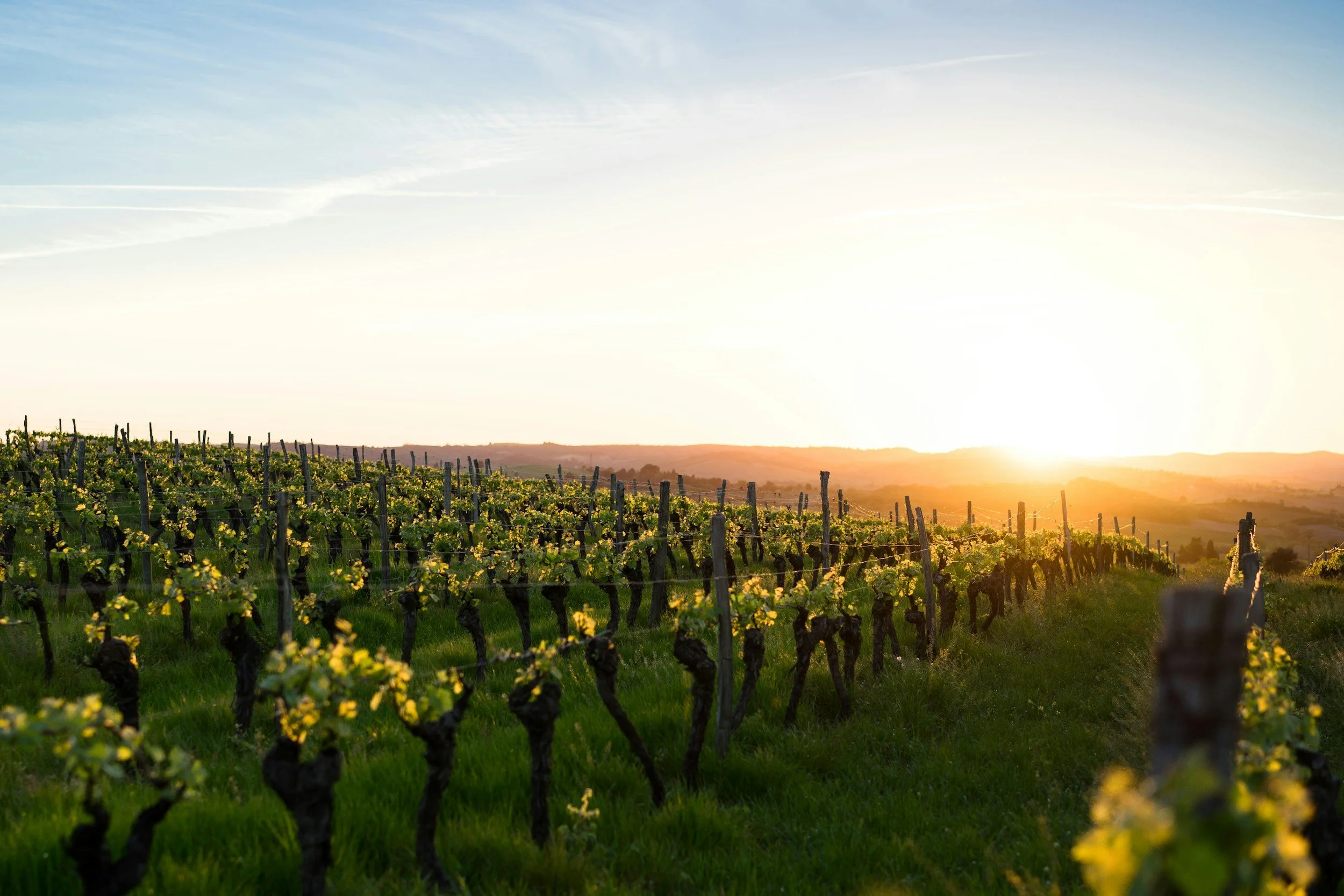
Alsace is renowned for its wine culture, with the famous Alsace Wine Route linking more than 70 picturesque towns and villages over 170 kilometres. The region is particularly known for its white wines, including Riesling, Gewürztraminer and Pinot Gris, with many family-owned wineries welcoming visitors for tastings throughout the year. Alsace is also celebrated for its distinctive cuisine, influenced by both French and German traditions, featuring specialties such as tarte flambée, choucroute and kougelhopf. In winter, the region becomes one of France's most popular destinations thanks to its traditional Christmas markets, while spring and summer offer excellent conditions for walking and cycling through the vineyards.
Beautiful villages in Occitanie
Occitanie is one of France's largest and most diverse regions, stretching from the Mediterranean coast to the Pyrenees Mountains. Its varied landscapes include dramatic river gorges, rolling vineyards, rugged plateaus and protected natural parks, offering countless opportunities for hiking, cycling and outdoor activities. The region is also home to an exceptional historical heritage, with Roman monuments, fortified medieval towns and UNESCO World Heritage Sites such as the Pont du Gard and the Canal du Midi. Combined with renowned vineyards and a rich culinary tradition, Occitanie offers an authentic and varied way to discover southern France.
How to visit the most beautiful villages in France?
-
The best time to visit France's most beautiful villages is from April to June and September to October. During these months, the weather is warm and pleasant, making it ideal for exploring while avoiding the peak summer crowds.
July and August are the liveliest months, particularly in southern France. Provence and the French Riviera host numerous festivals, open-air concerts, night markets and local celebrations, creating a vibrant atmosphere throughout the season. It's also the best time to see Provence's famous lavender fields in bloom, although popular villages can become much busier.
During winter, Alsace offers a completely different experience, with its world-famous Christmas markets, festive decorations and seasonal traditions attracting visitors from around the world.
Ultimately, there is no wrong time to discover France. Each season highlights a different region, making the country a year-round ideal destination for travellers seeking beautiful villages, exceptional landscapes and authentic experiences.
-
France is easily accessible from around the world, with international airports in Paris, Nice, Marseille, Bordeaux, Toulouse, Lyon and Strasbourg offering direct flights from many major cities. Depending on the region you plan to explore, you can choose the airport that best suits your itinerary.
Once you arrive, the easiest way to discover France's most beautiful villages is by car. While major cities are well connected by France's high-speed rail network, many villages are located in rural areas where public transport is limited. Renting a car or arranging a private transfer gives you the flexibility to explore local markets, wineries, historic sites and scenic countryside at your own pace.
-
While a week can offer a wonderful introduction, 10 to 14 days allows you to experience a region much more fully. You'll have time to discover its villages and landscapes while also enjoying the comfort and privacy of your luxury villa, whether that means spending an afternoon by the pool, dining on the terrace or simply slowing down and embracing the local pace of life.
Rather than trying to explore the whole country in a single holiday, many travellers choose to focus on one region and return to France to discover another on a future trip. From Provence and the French Riviera to Dordogne, Alsace and Occitanie, each destination offers a unique atmosphere, making every stay a completely different experience.
-
Before planning your trip, keep these recommendations in mind:
Book the most exclusive experiences before you travel. Michelin-starred restaurants, private vineyard tours, yacht charters and renowned wellness treatments often have limited availability, particularly between June and September.
Don't try to visit too many villages in one day. The most memorable experiences often come from taking your time—enjoying a long lunch, discovering local boutiques or simply soaking up the atmosphere rather than rushing from one destination to the next.
Travel outside weekends whenever possible. Many of France's most famous villages become significantly busier on Saturdays and Sundays, especially during the summer months. Visiting on weekdays offers a much more relaxed experience.
Let local experts plan the details. From private chefs and wine tastings to boat charters, guided tours and restaurant reservations, organising activities in advance allows you to make the most of your stay. At Homanie, our concierge team can tailor every aspect of your trip, creating a seamless itinerary based on your interest
Where to stay when visiting french villages?
Choosing the right accommodation can completely shape your experience of France's most beautiful villages. Whether you're planning a romantic getaway, a family holiday or a trip with friends, each type of accommodation offers different advantages.
-
Hotels are a convenient option for short stays and travellers looking for on-site services such as restaurants, spas or concierge assistance. However, many are located in larger towns rather than in the countryside, meaning you'll often need to drive to reach France's most picturesque villages.
-
Bed & breakfasts offer a more intimate and authentic experience, often hosted by local owners who can share valuable recommendations about the region. They are particularly suited to couples, although amenities, privacy and available services can vary considerably from one property to another.
-
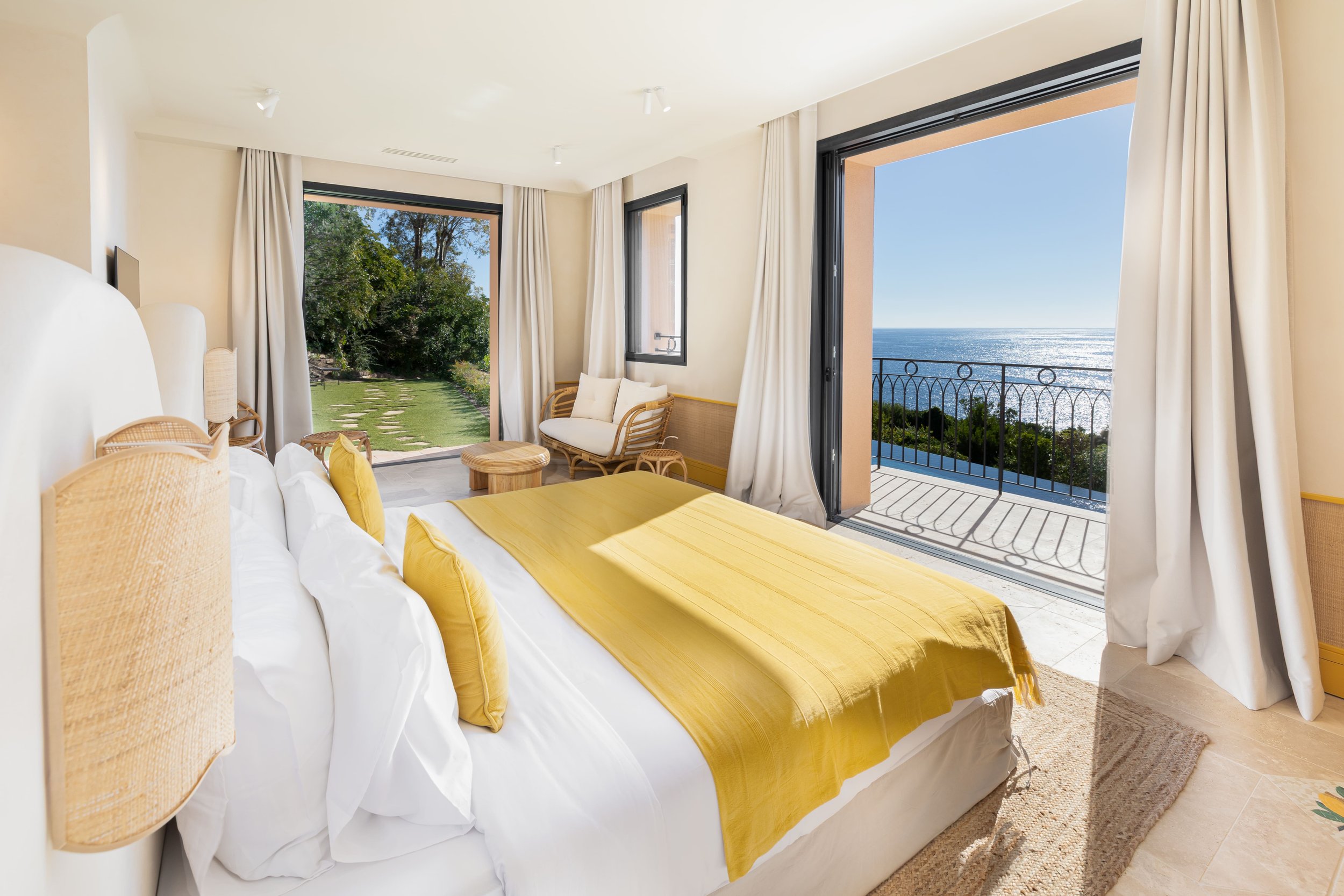
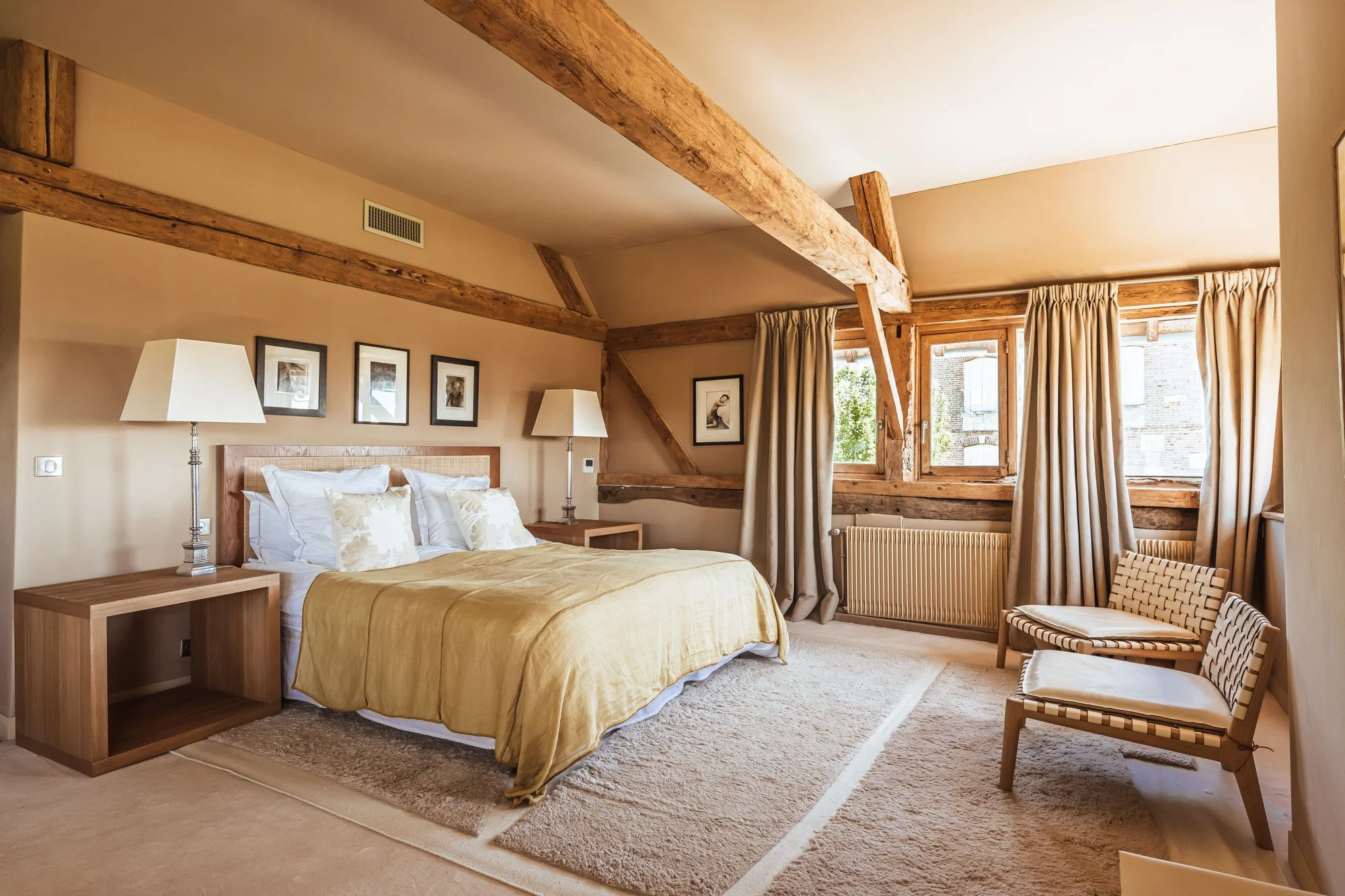
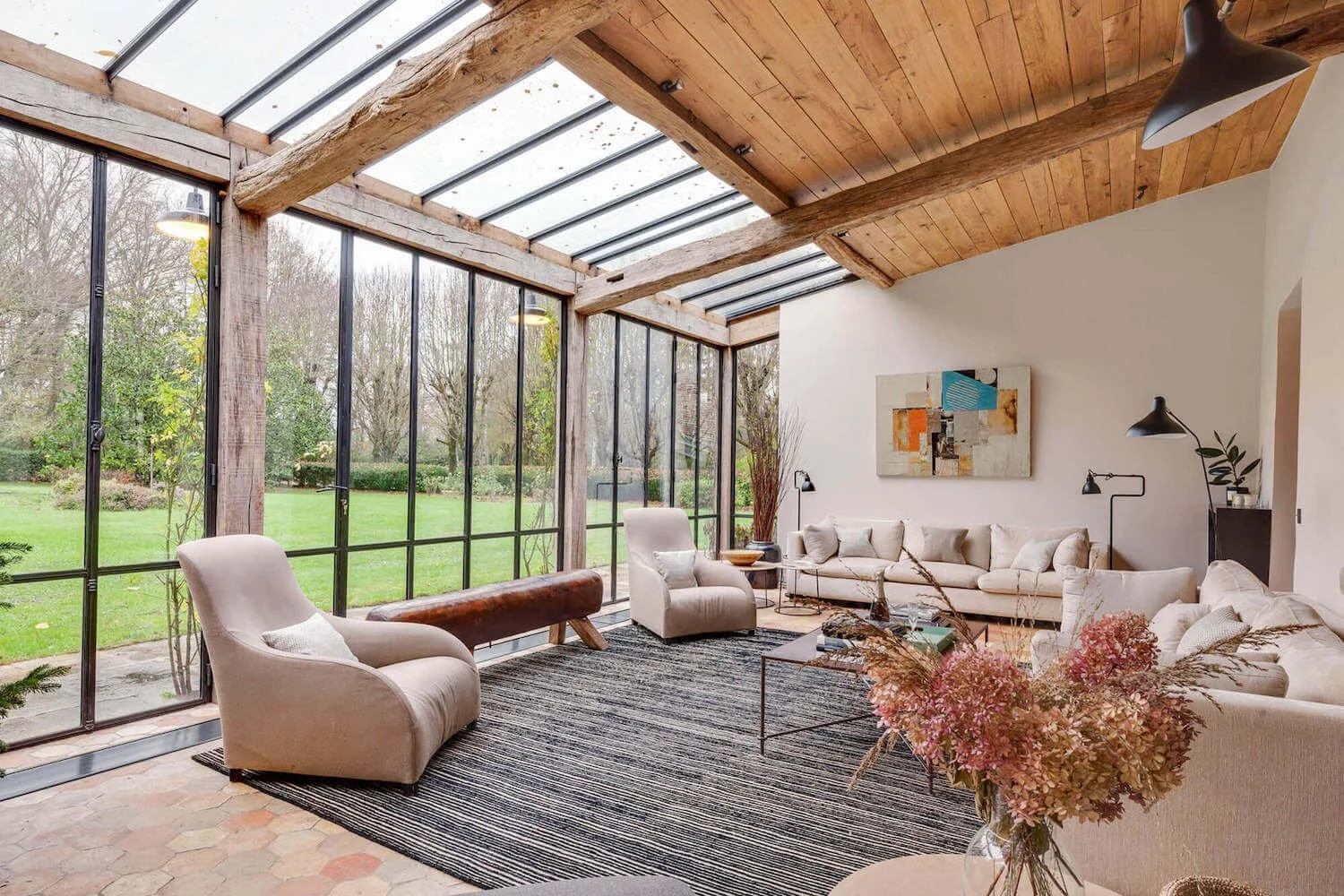
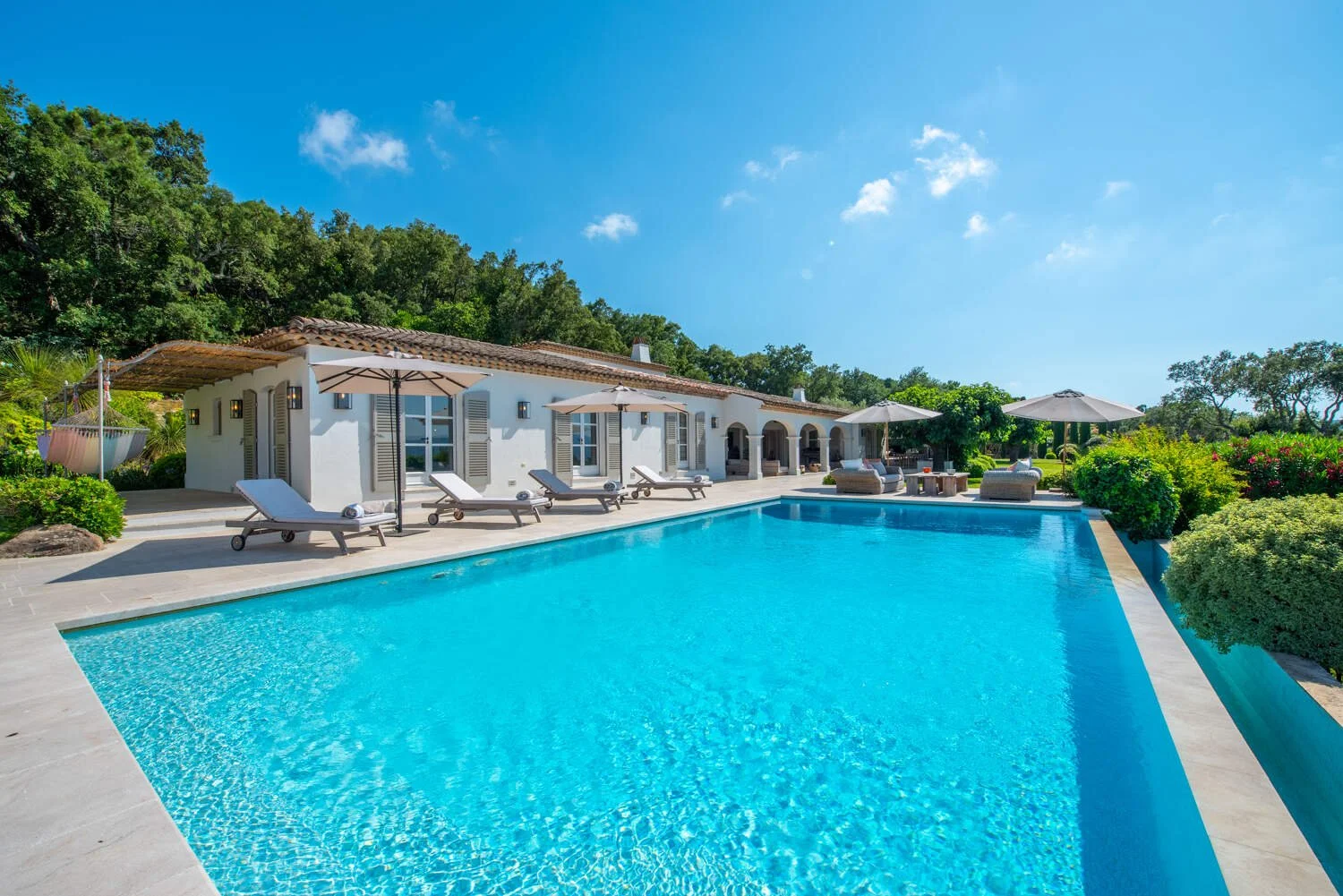
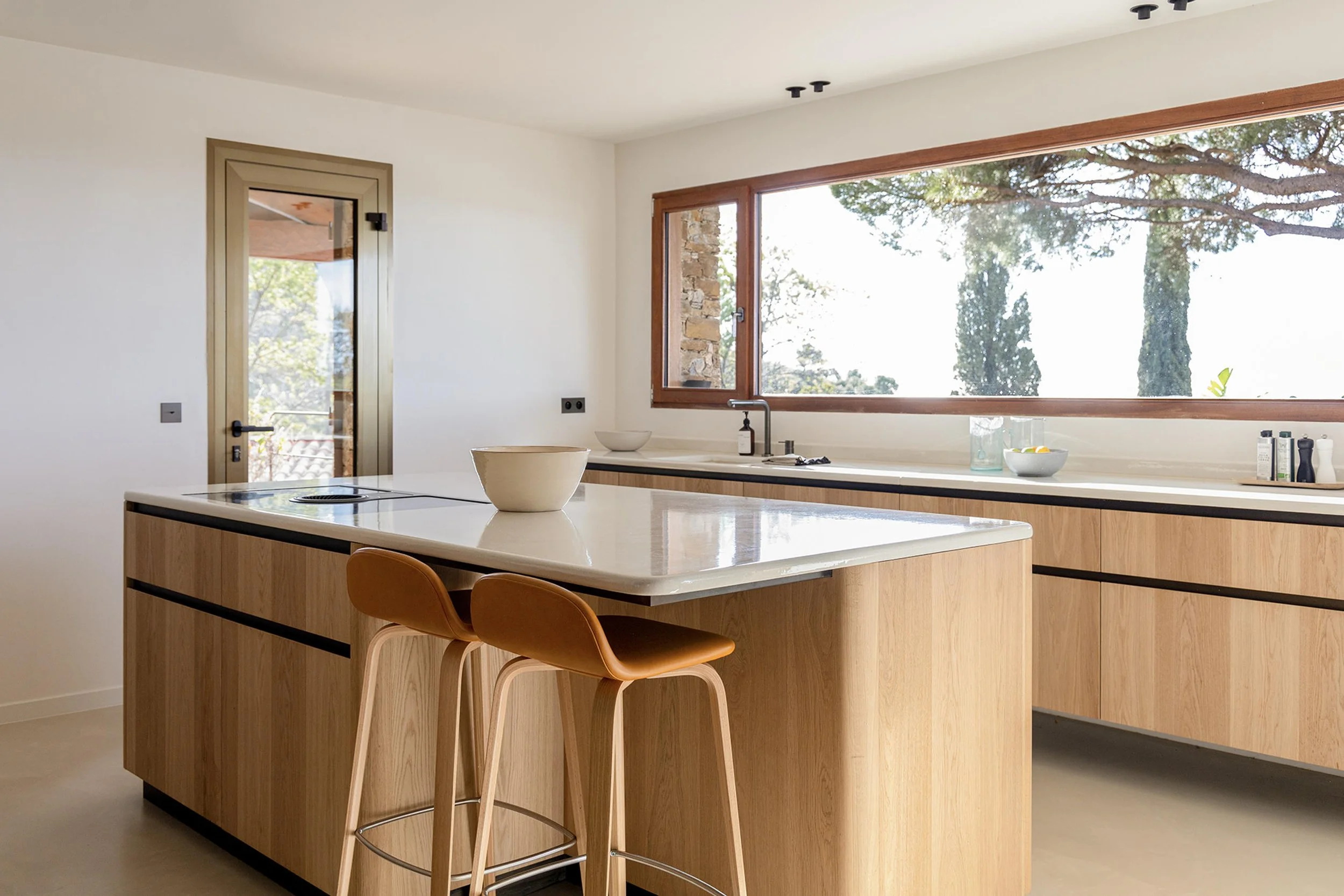
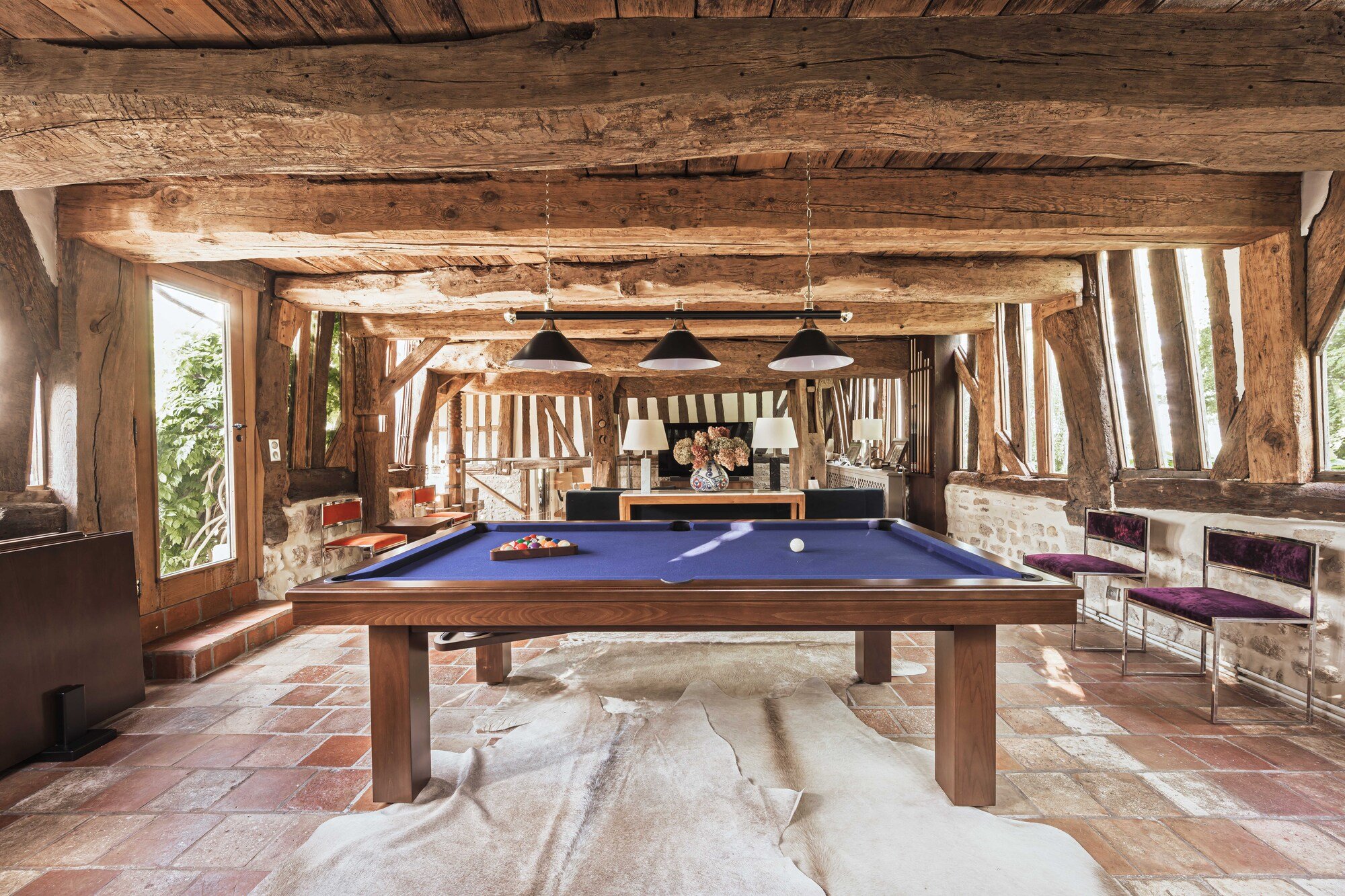
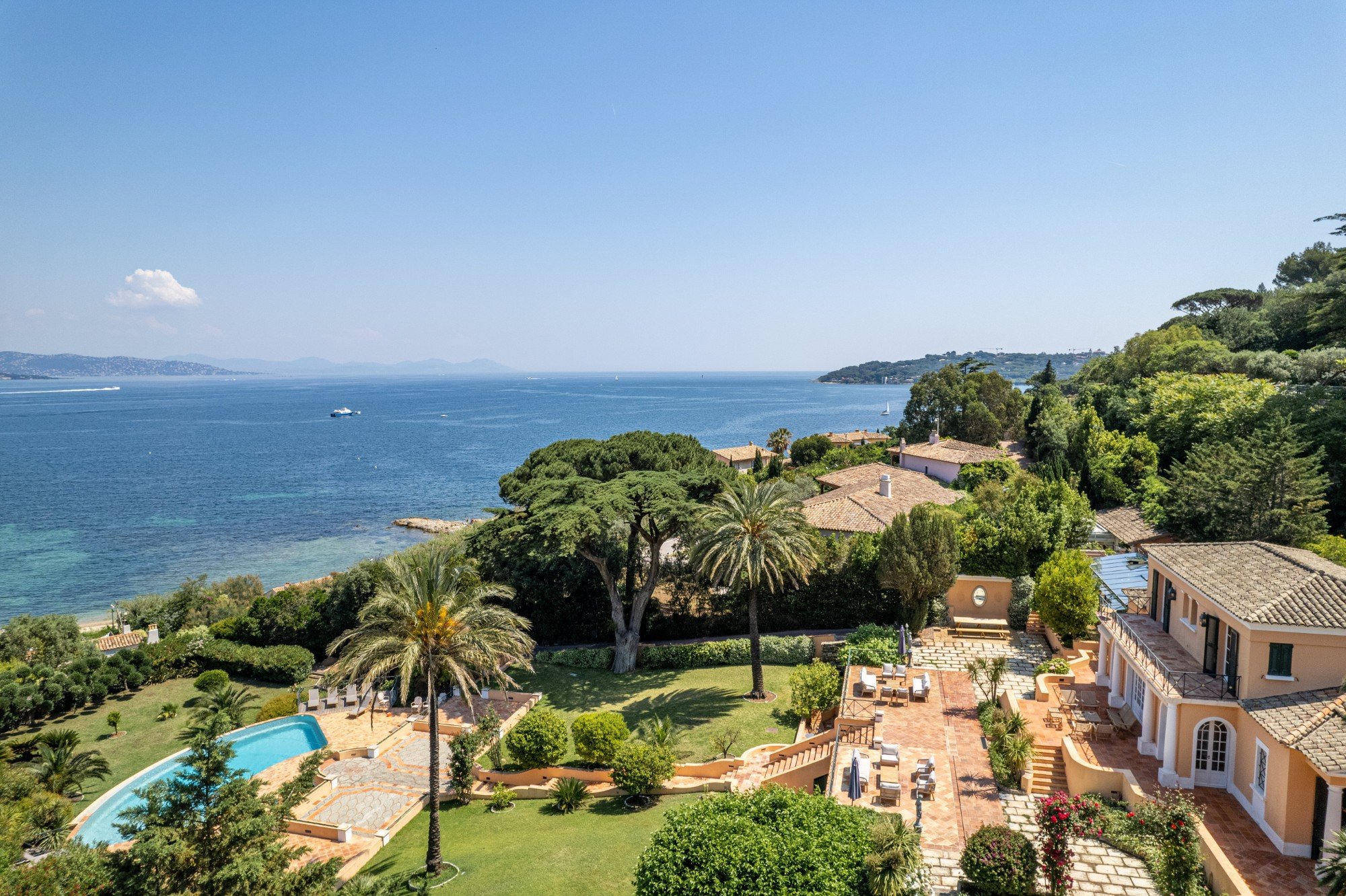
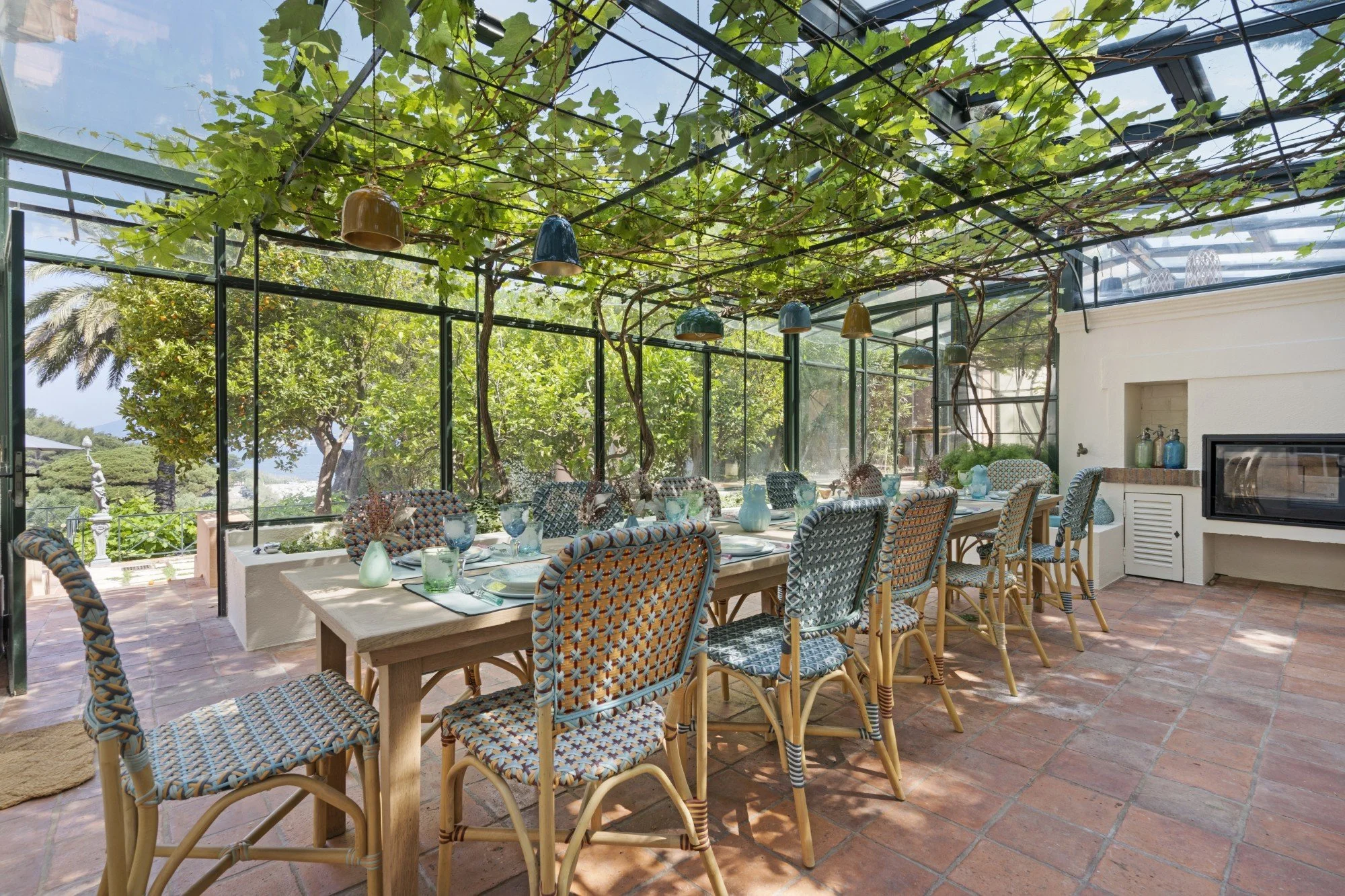
For travellers looking to fully experience a region, a luxury villa offers the greatest level of comfort and flexibility. Staying in a private home allows you to enjoy spacious living areas, gardens, swimming pools and complete privacy, while exploring nearby villages at your own pace. It's also the ideal option for families and groups of friends who want to share memorable moments together without compromising on space or comfort.
Why choose a luxury villa to exlore french villages?
Exploring France's villages is about much more than ticking landmarks off a list. It's about taking the time to enjoy long lunches on a terrace, returning from a local market to cook with fresh ingredients, or ending the day by the pool after discovering nearby vineyards and historic villages.
Unlike a hotel, a luxury villa allows you to settle into a region rather than simply passing through it. You can explore a different village each day while returning to the same exceptional home, creating a more relaxed and immersive experience.
For families and groups of friends, villas also offer the freedom to spend time together without sacrificing privacy. Spacious indoor and outdoor living areas, private amenities and personalised concierge services make it easy to enjoy France at your own pace.
Why choose Homanie for your stay in France?
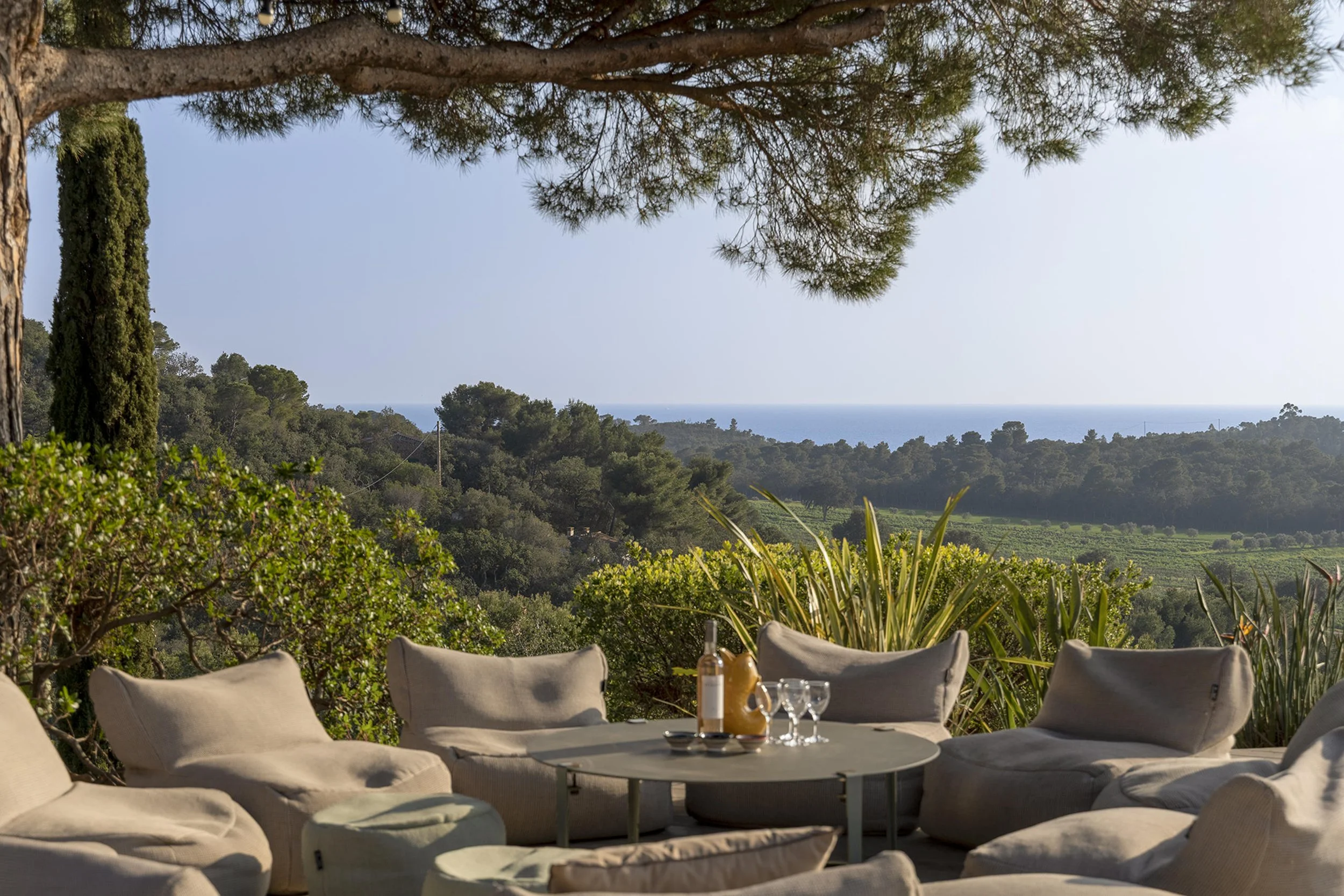
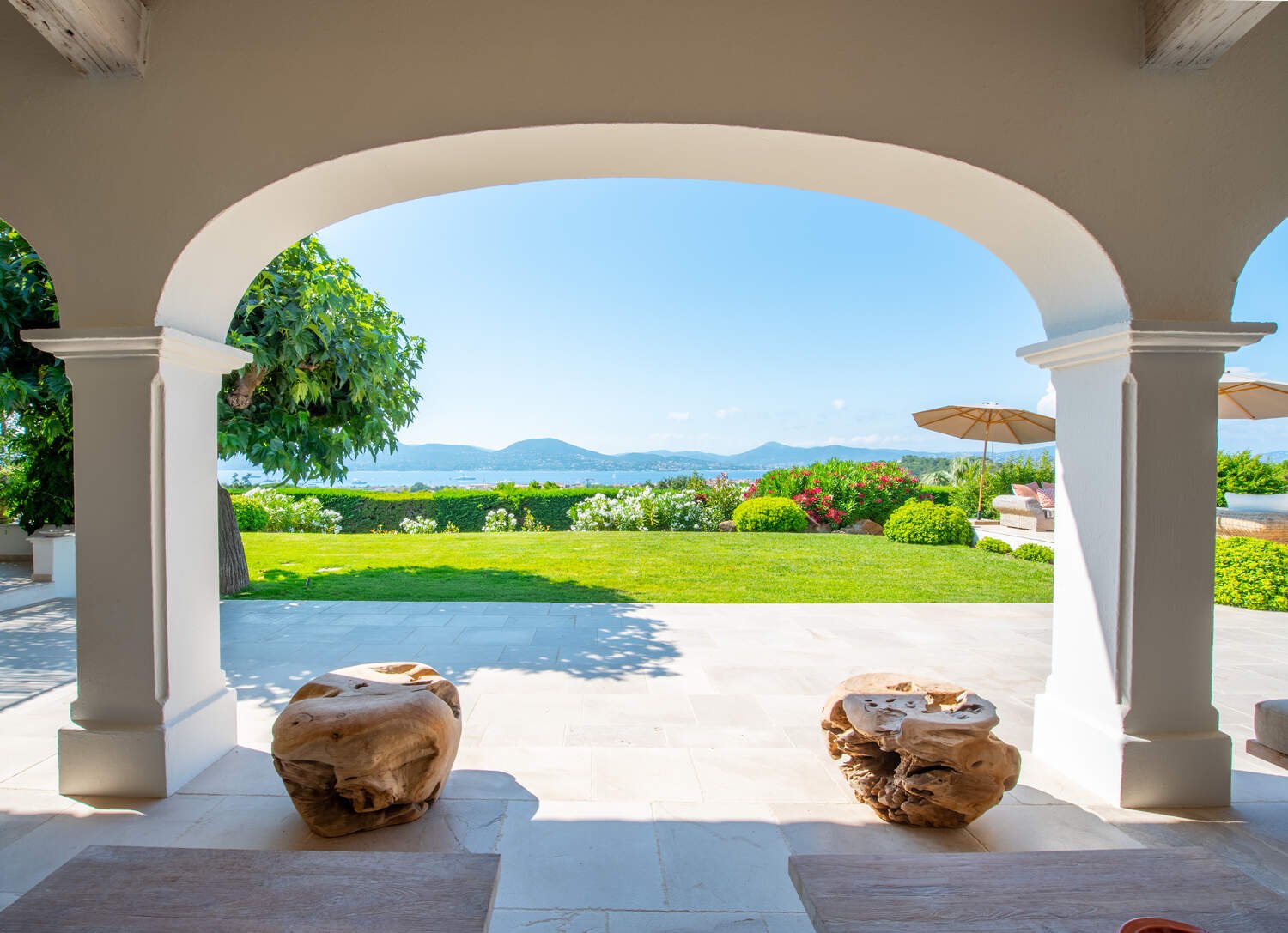
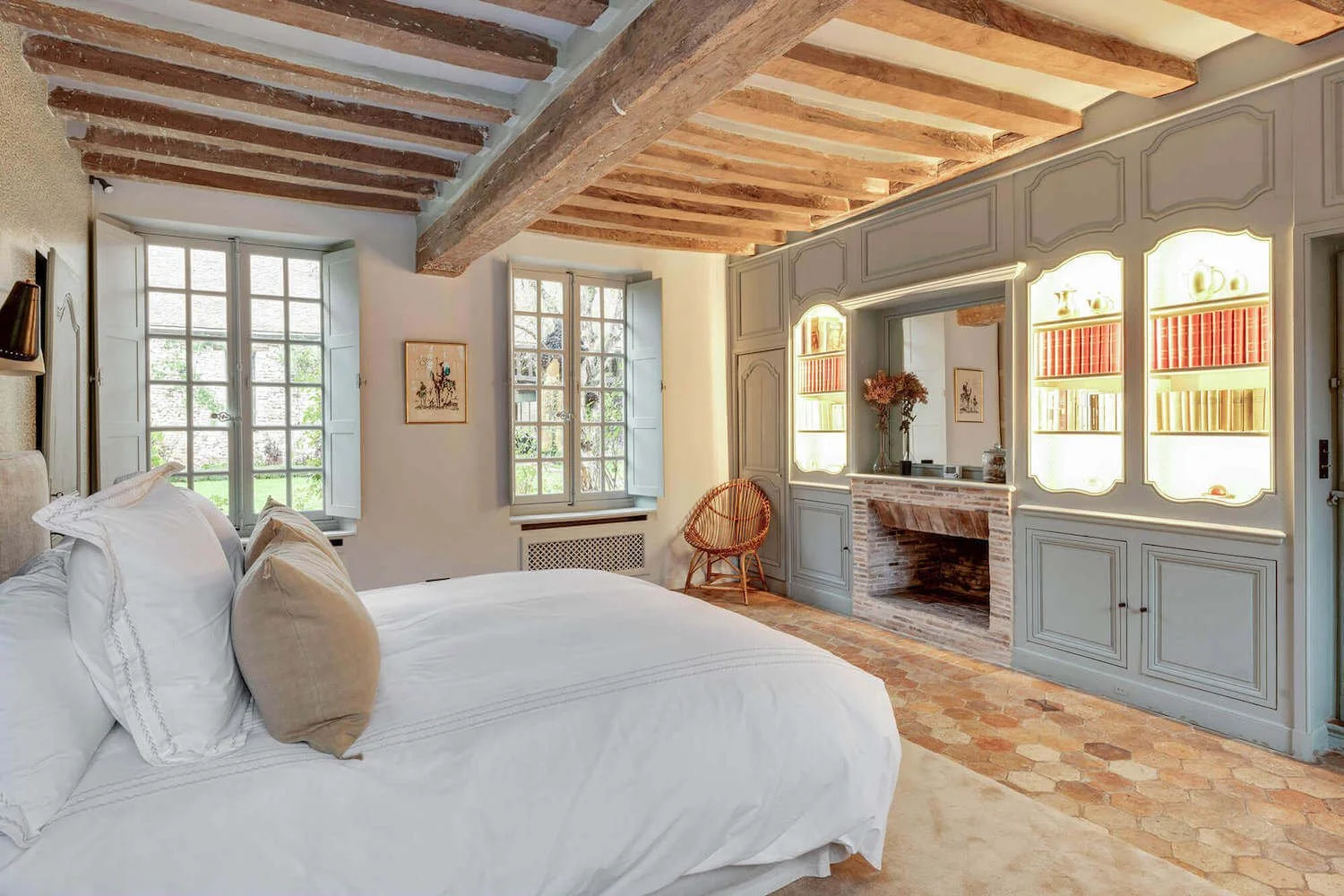
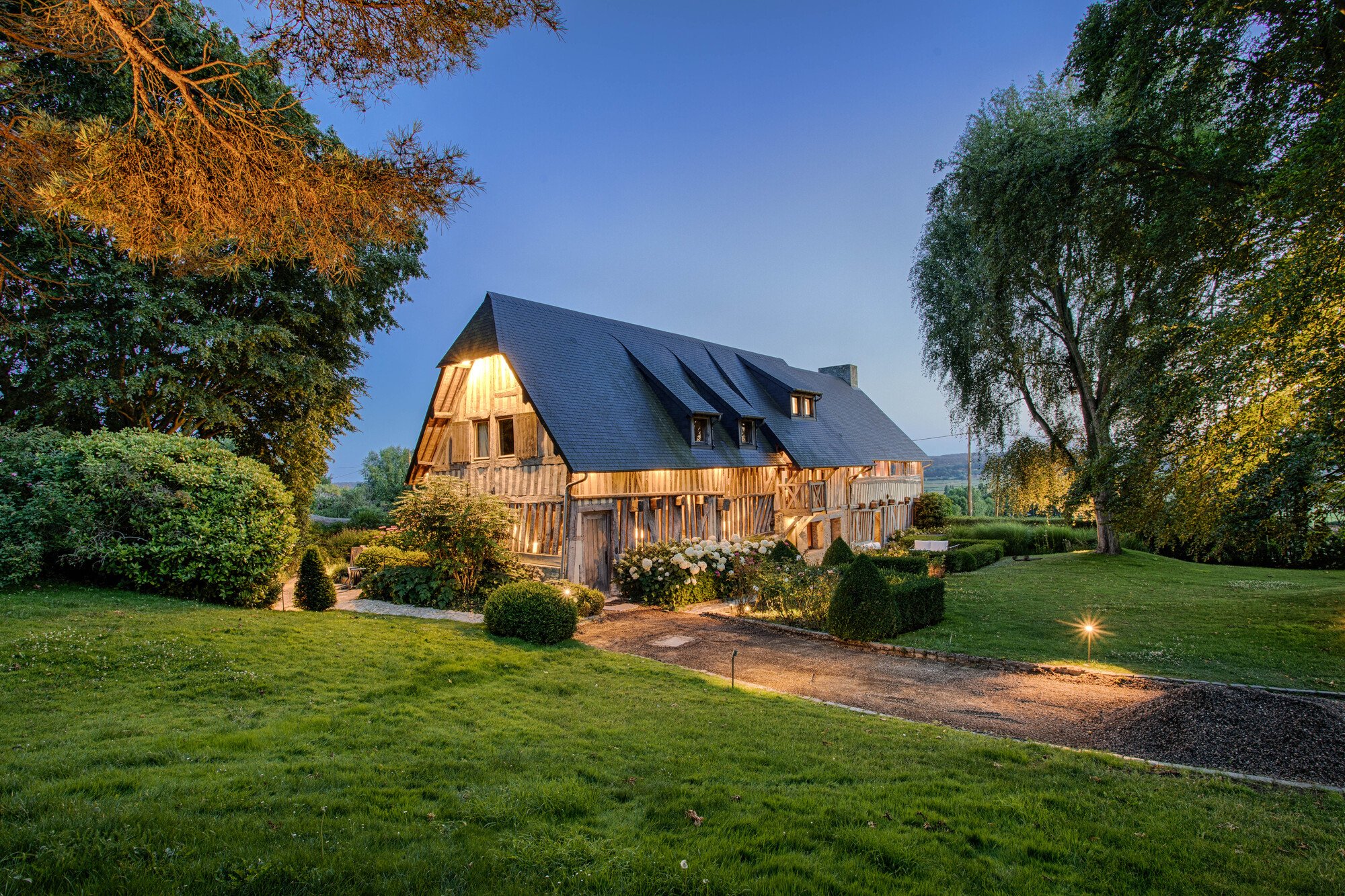
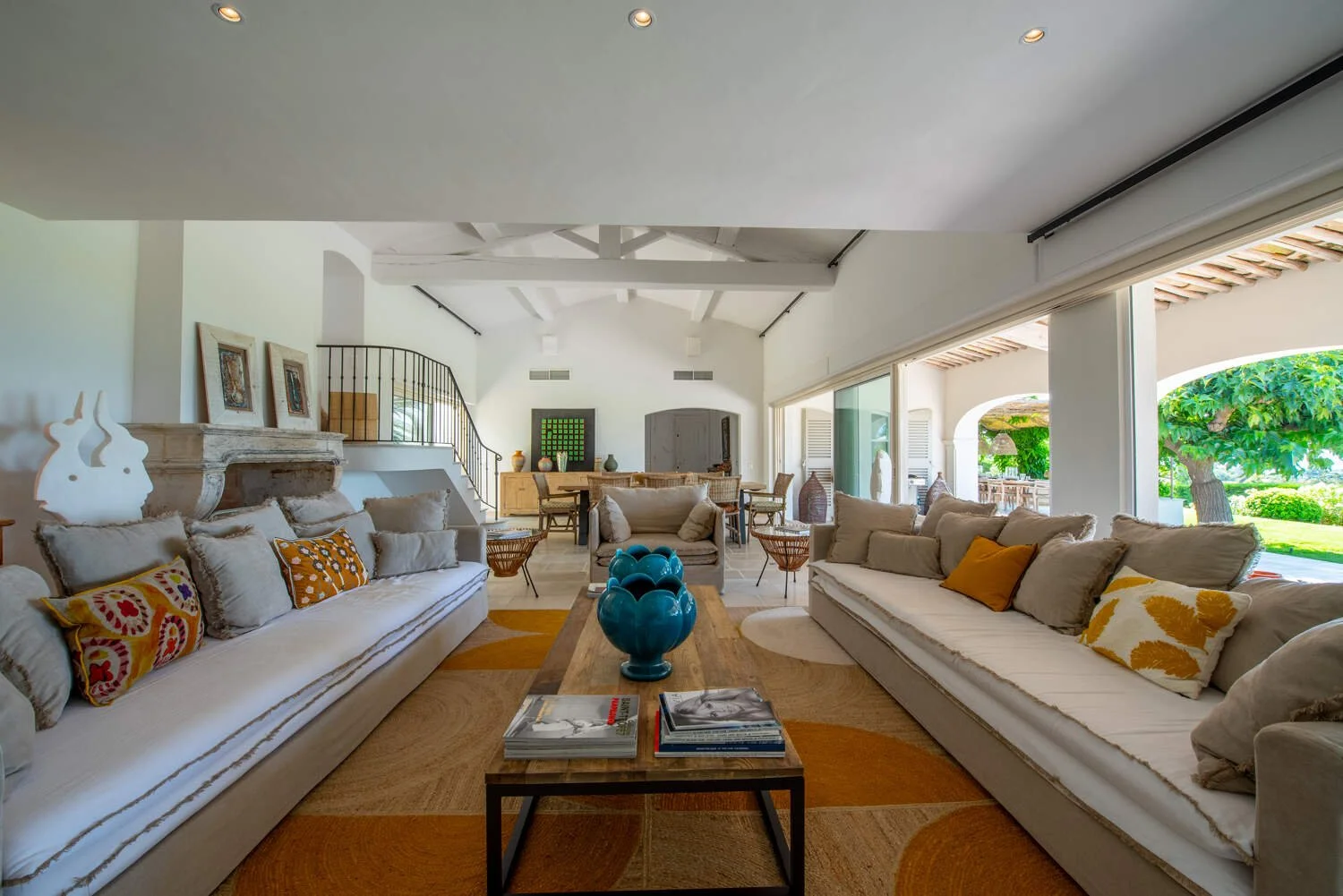
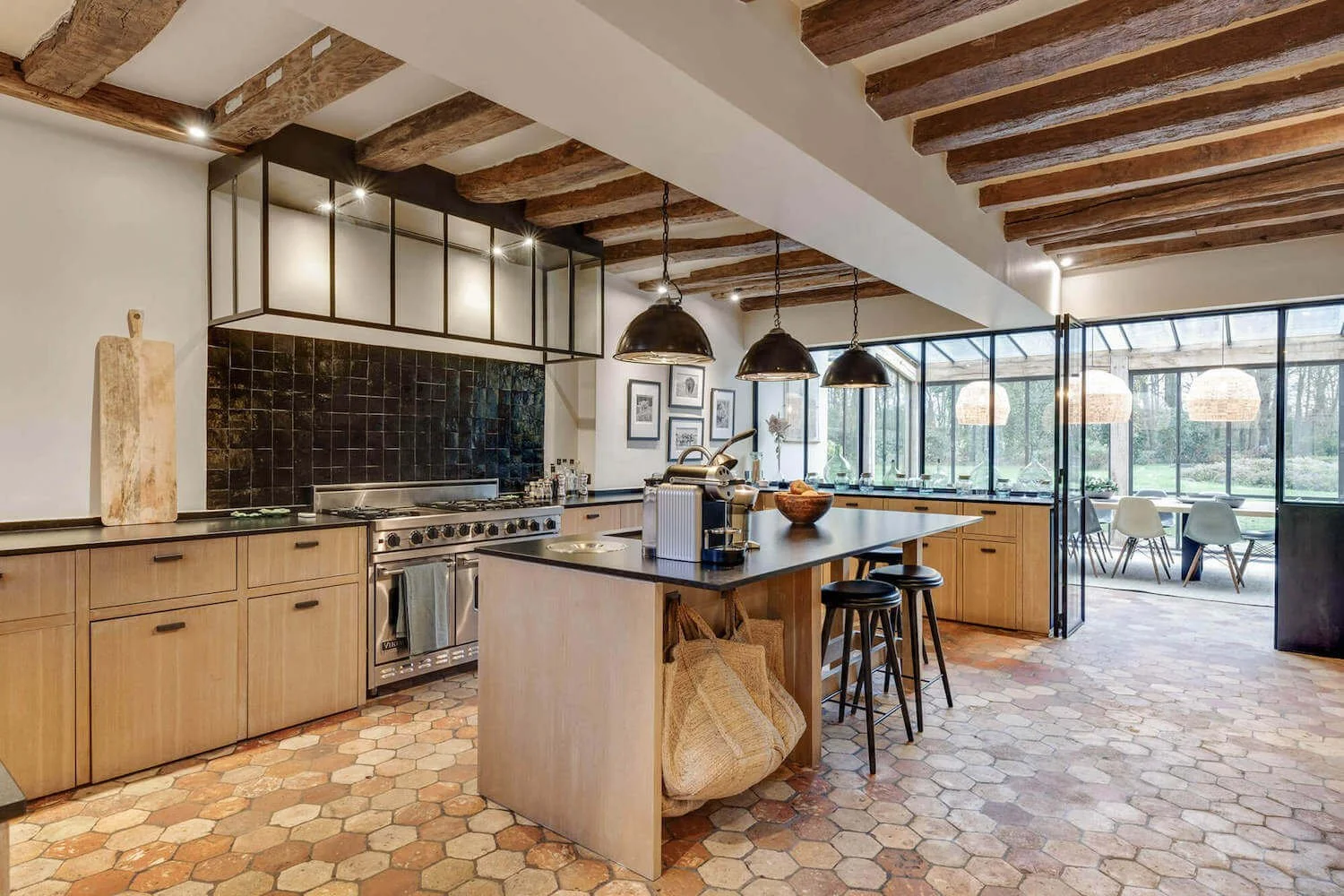
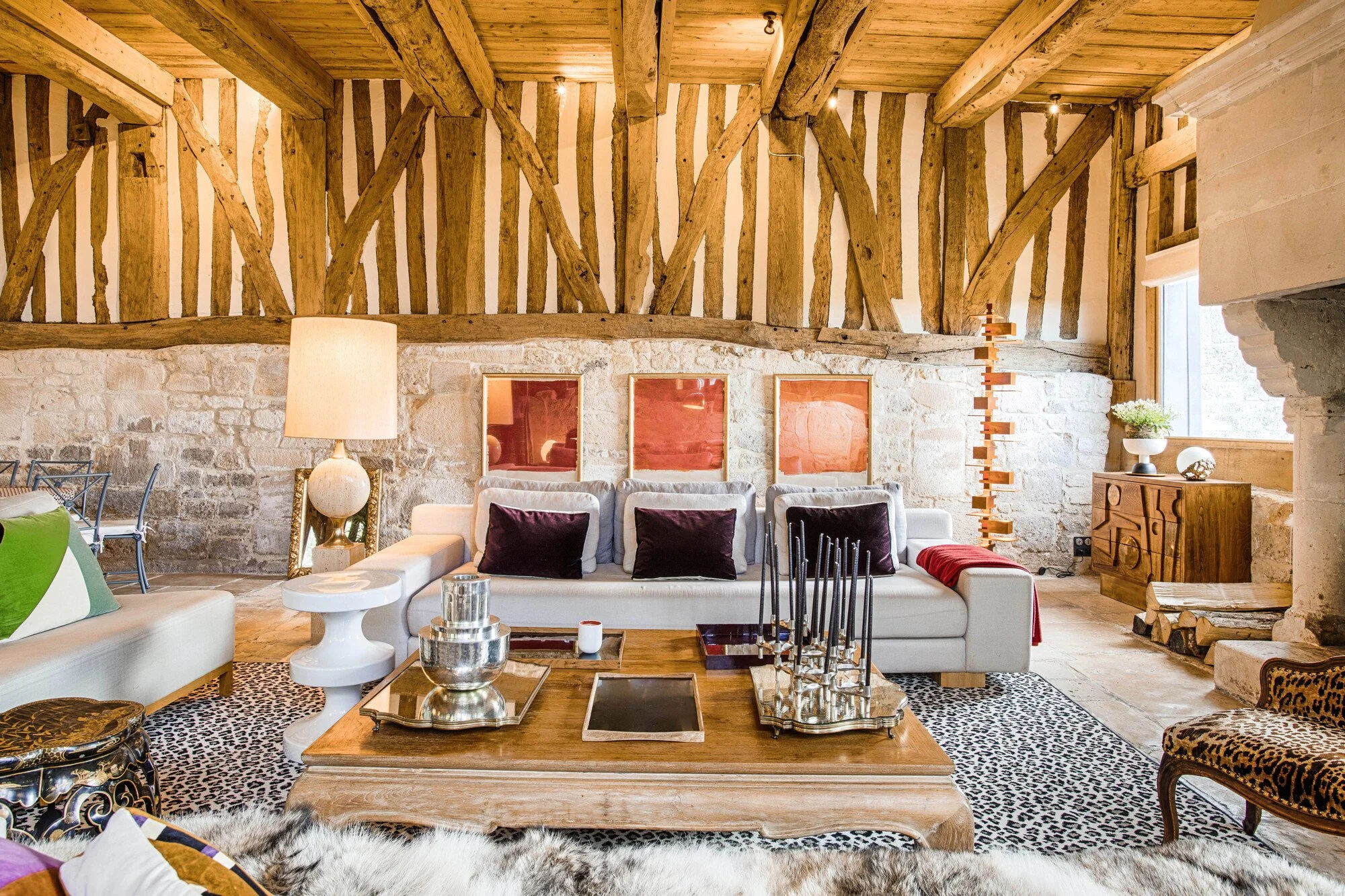
At Homanie, we carefully select large private homes designed to bring families and groups of friends together under one roof. With generous bedrooms, spacious living areas and private outdoor spaces, our villas make it possible to share your stay with the people who matter most while preserving everyone’s comfort and privacy.
Our properties are located in some of France’s most desirable regions, close to beautiful villages, cultural landmarks and exceptional natural settings. Each home is chosen for its character, location and high level of comfort, providing an ideal base from which to discover the surrounding area.
Our concierge team can also create a fully personalised stay around your interests, from private chefs and wine tastings to boat charters, guided visits, wellness treatments and restaurant reservations. Every detail can be arranged so that you can enjoy France with your loved ones in complete comfort.

“At Homanie, we believe the places where you stay should be just as memorable as the places you visit.”
- Evane Rosé, Rental Manager
Hidden Gems: Lesser-known villages in France
Beyond France’s most famous villages, many lesser-known destinations offer equally remarkable settings with fewer visitors. Consider exploring places such as Lourmarin, Saint-Tropez, Yvoire, Collonges-la-Rouge, La Roque-Gageac and Pérouges for a quieter and more unexpected side of France.
Most beautiful villages in FRance: good to know
-
Gordes is often considered one of the prettiest villages in France. Perched above the Luberon Valley, it is known for its pale stone houses, panoramic views and classic Provençal setting, although the answer ultimately depends on whether you prefer Mediterranean, medieval or countryside scenery.
-
France’s most beautiful villages are spread across several regions, particularly Provence, the French Riviera, Dordogne, Alsace and Occitanie. Each region offers a distinct setting, from Mediterranean hilltop villages and vineyard landscapes to medieval river valleys and colourful Alsatian communities.
-
The best time to visit French villages is generally from April to June and September to October, when the weather is pleasant and popular destinations are less crowded. Summer is ideal for festivals, outdoor dining and lavender season in southern France, while winter is especially rewarding in Alsace during the Christmas markets. Thanks to the diversity of its regions, France remains an appealing destination throughout the year.
-
The best way to visit France's most beautiful villages is by car, as many are located in rural areas with limited public transport. Choose one region as your base and explore several nearby villages on day trips, allowing you to experience the local culture, landscapes and gastronomy at a relaxed pace.