Workation: Working Differently Between Productivity and Disconnection
Published on March 30, 2026 | Reading time: 10 min
By Bérénice Cousin, Community Manager at HOMANIE
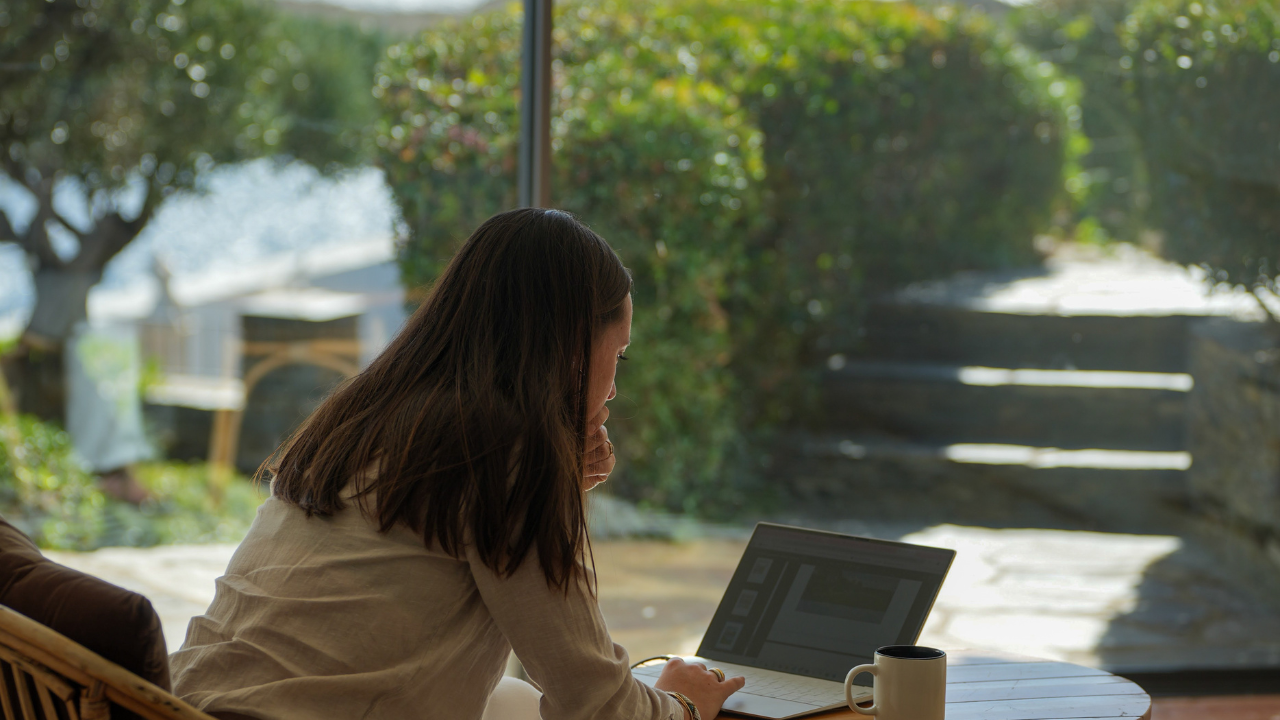
At a time when remote work is becoming a lasting norm in many companies, a new way of combining productivity and escape is attracting more and more professionals: the workation. A blend of the words “work” and “vacation,” this concept involves working while staying in a change of scenery, whether by the sea, in the mountains, or in an inspiring city. More than just a trend, the workation responds to a growing need for balance between professional and personal life, offering the opportunity to step away from daily routines without interrupting one’s work. It also complements the rise of the incentive travel destination, where companies encourage their teams to work, connect, and recharge in exceptional settings. With increased motivation, enhanced creativity, and improved well-being, this new way of working is redefining traditional office norms and paving the way for a more flexible and human-centered organization.
Summary
What is a workation?
A workation refers to a way of working remotely from a place usually associated with vacations, such as the seaside, the mountains, or a foreign destination. The term comes from the combination of the English words “work” and “vacation,” reflecting the idea of blending professional activity with an inspiring environment.
Unlike standard remote work, which is typically done from home or a familiar location, a workation involves a voluntary change of scenery with a focus on well-being, discovery, or partial disconnection. The goal is not just to work remotely, but to enjoy a pleasant setting while remaining productive.
Finally, a workation is temporary by nature: it usually lasts from a few days to a few weeks and is not intended as a permanent lifestyle. It serves as a break that allows professionals to balance work obligations with a desire for escape. It is also different from “bleisure,” which takes place after a business event, and from offsite work, which uses locations connected to the company.
What is the difference between a workation, remote work, and a digital nomad?
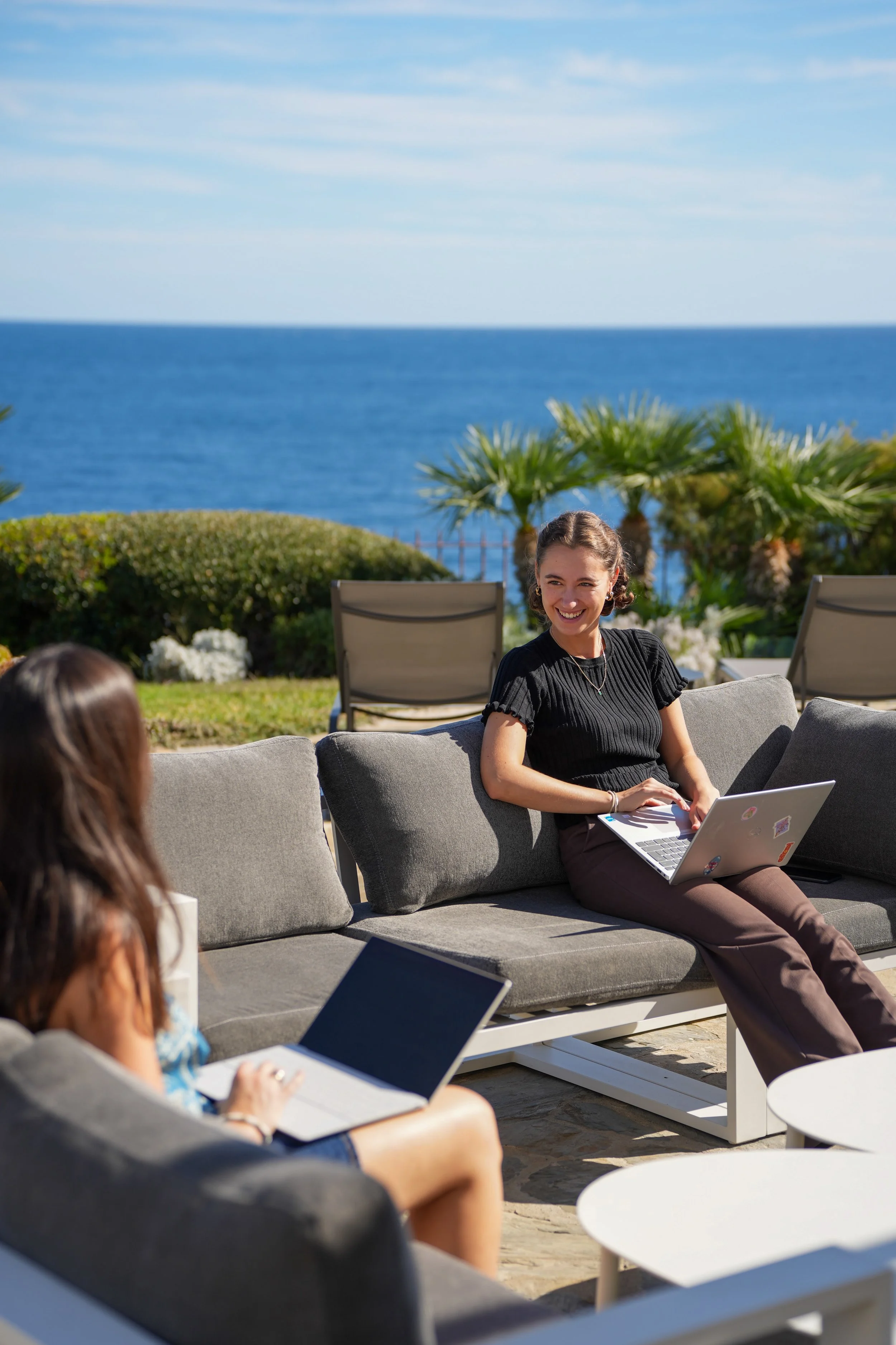
Workation vs Remote Work
Remote work simply involves working from a distance, outside the company’s premises, most often from home. It follows a typical professional routine, with the same hours, the same objectives, and little change in the environment.
A workation can be seen as an “enhanced” form of remote work, more occasional and focused on quality of life.
Workation vs Digital Nomad
A workation takes place within a stable professional framework (same company, same tasks), whereas digital nomadism involves a more autonomous work setup, sometimes with multiple clients or projects.
Who is a workation for?
It is primarily suited for employees doing remote work, whose tasks can be completed online. With their company’s approval, they can occasionally change their environment without affecting productivity.
Freelancers and independent professionals are also ideal candidates: graphic designers, developers, consultants, writers, or digital experts can organize their work autonomously while choosing their place of stay.
Workations also appeal to entrepreneurs and business leaders who want to take a step back, stimulate their creativity, or combine work and rest in an inspiring environment.
They can also be suitable for teams during seminars or professional retreats, helping to strengthen cohesion while working in a different setting.
Finally, workations attract anyone seeking a better balance between professional and personal life, wishing to break the routine without taking extended vacations.
Where to organize a workation?
A good workation destination should combine a change of scenery, comfortable working conditions, and accessibility, ensuring both productivity and enjoyment. Ideally, the location should be inspiring, comfortable, and suitable for remote work, with a reliable internet connection, quiet spaces, and nearby amenities.
Workation in France or abroad?
In France, several options stand out. The coastline, such as the French Riviera or the Basque Country, allows you to work with a sea view while enjoying a dynamic environment. The mountains, in the Alps or the Pyrenees, offer a peaceful setting, perfect for focus. Finally, certain cities like Paris, Lyon, or Bordeaux combine accessibility, modern infrastructure, and cultural richness.
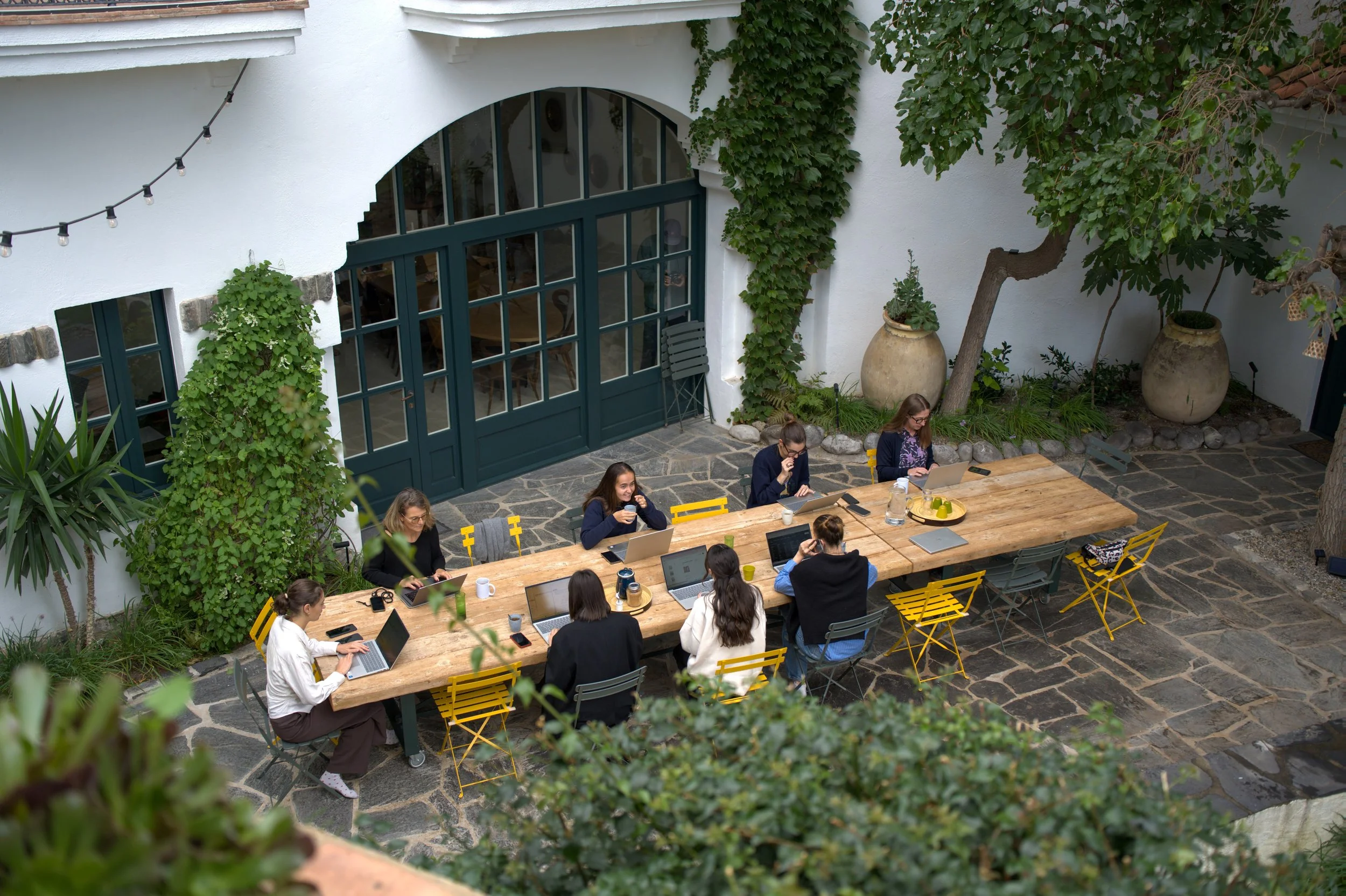
Abroad, sunny and well-equipped destinations are particularly popular. In Spain, the Catalan coast attracts with its climate, reasonable cost of living, and proximity to France, where one can stay in a luxury villa in Cadaqués. The Balearic Islands offer an excellent balance between work and leisure, with many coworking spaces. In Portugal, a welcoming policy and numerous family connections make networking easier.
The framework for a successful workation
How long does a workation last?
A workation usually lasts between a few days and a few weeks.
Short duration (3 to 7 days): ideal for a first experience or a quick getaway without significantly disrupting your work schedule.
Medium duration (1 to 3 weeks): allows for a good balance between productivity and immersion in the location.
Longer duration (1 month or more): possible, but requires stronger organization and is less common.
In any case, a workation is not meant to be permanent. It remains a temporary break, adapted to professional constraints and personal objectives.
Solo or team workation?
A solo workation is ideal if you seek calm, focus, and flexibility. It allows you to progress efficiently on tasks, manage your schedule freely, and fully enjoy the environment to recharge. It’s also an excellent way to test this model of work.
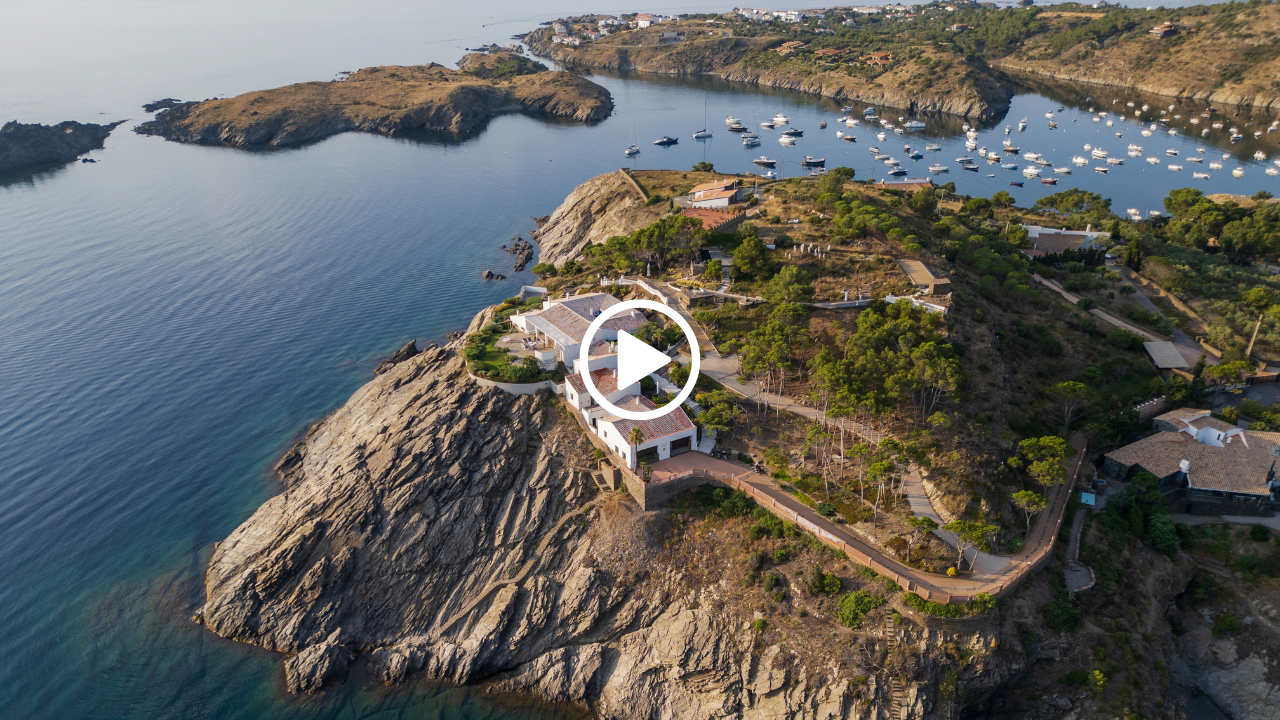
A team workation, on the other hand, is better suited for collaborative projects. It promotes cohesion, informal exchanges, and creativity.
What are the key COMPONENTS to an effective workation?
Organizing an effective workation relies on a balance of preparation, discipline, and comfortable working conditions. Here are the key points to plan ahead:
-
Before leaving, set your objectives: tasks to complete, scheduled meetings, and your level of availability. A workation is not a vacation, so it’s important to maintain a structured professional framework.
-
Opt for accommodation with a reliable internet connection, a dedicated workspace, and a quiet environment.
-
Set fixed working hours, just like in the office. It’s often most effective to work in the morning and keep free time in the afternoon or later in the day.
-
Inform your colleagues or clients about your schedule, stay reachable, and meet deadlines. Transparency helps prevent misunderstandings.
-
The point of a workation is also to enjoy your surroundings. Include genuine moments of relaxation to avoid burnout and stay motivated.
-
Even when well-planned, a workation requires adaptability (unreliable internet, unexpected events…). Maintaining some flexibility is essential.
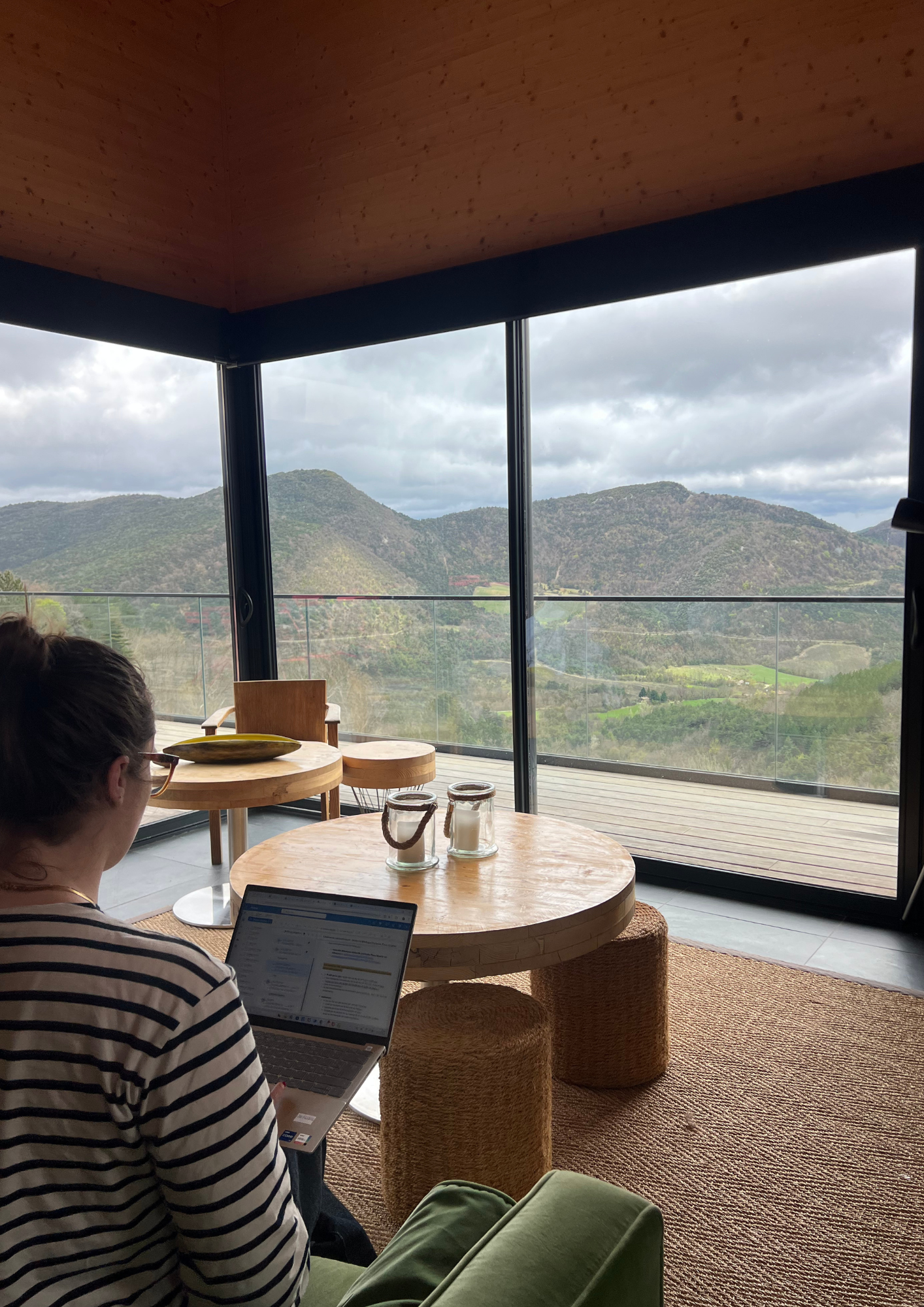
Why is the choice of accommodation key for a workation?
For a successful workation, you need a pleasant, calm, spacious, and above all well-connected environment. Ideally, workspaces are close to a heated pool and/or have a sea view, tennis courts, and wellness areas.
Homanie’s luxury villas, designed for corporate retreat in France, embody this ideal. Whether it’s a luxury residence in Île-de-France, a luxury villa in South of France with a pool, a historic property in Provence, or a stay in the Southwest, each location is carefully selected to offer exclusive and private properties. For a workation, these addresses guarantee total privacy and feature large indoor and outdoor spaces, perfect for a stay that combines work and relaxation.
The services and amenities are numerous and tailored: high-performance Wi-Fi (Starlink, for example), air-conditioned spaces, heated pools… Custom services can also be included: daily housekeeping, full-board prepared by a private chef, etc.
Homanie’s sumptuous settings therefore allow you to fully enjoy your downtime while ensuring complete focus during working hours.

Are you considering a workation in a luxury setting?
Homanie helps you find a location that meets your professional and personal requirements.
Workation: answers to all your questions
-
A workation can be compatible with demanding professional responsibilities, but it depends on the level of expectations associated with your role. If your job involves frequent meetings, tight deadlines, or requires high availability, a workation is still possible provided you choose a suitable destination (reliable internet connection, compatible time zone, quiet environment).
Organization is key. A successful workation relies on careful planning: anticipating busy periods, structuring your days, setting aside dedicated time slots for work, and remaining fully committed during those moments.
-
A workation can absolutely be arranged while staying reachable for your company or clients. As long as there is a reliable internet connection, especially for video meetings, and access to shared calendars and file-sharing tools, the conditions for a successful workation are fully met.
-
Balance is the key to a successful workation. It’s important not to get distracted by work, nor by the surroundings or leisure activities. The best approach is to set a clear schedule, just like at the office, perhaps allowing for longer breaks.
-
A workation is particularly well suited to a high-end stay. Luxury accommodations generally offer essential services to work in optimal conditions (high-performance internet connection, spacious indoor and outdoor areas, staff for housekeeping and/or certain meals), while ensuring comfort, tranquility, and an inspiring setting. This allows you to combine professional demands with an exclusive travel experience, without compromising on quality of life.
-
Well-equipped apartments are often the best choice for a workation: they provide a complete living space, good independence, and the possibility to set up a dedicated workspace. This is ideal for maintaining a stable work routine.
Villas offer an added level of comfort and tranquility: spacious areas, a quiet environment, sometimes with a dedicated office or concierge services, perfect for staying focused while enjoying the surroundings.