Brand activation: Creating memorable brand experiences
Published on September 11, 2026 | Reading time: 16min
By Laurine Baille, Marketing Project Manager at HOMANIE

In an increasingly crowded environment where brands are constantly competing for attention, simply being noticed is no longer enough. To stand out over time, brands need to build a genuine connection with their audiences and go beyond traditional advertising. This is the purpose of brand activation, which transforms a brand into a tangible, interactive, and emotional experience. Through immersion, experiential marketing, and corporate events, it invites audiences to engage directly with the brand’s universe, values, and identity. Because today, a brand is no longer simply talked about, it is experienced.
Summary
What is a brand activation?
Brand activation refers to all the initiatives a company uses to bring its brand to life for its audience. Unlike traditional communication, which primarily aims to convey a message, brand activation seeks to create a tangible, memorable, and emotional interaction between a brand and its audience.
It generally relies on immersive experiences such as events, pop-up stores, activations, temporary installations, demonstrations, digital experiences, and participatory campaigns. The goal is to allow consumers to experience the brand differently, by interacting with it, trying its products, or sharing the experience with others.
Brand activation reflects changing consumer expectations: audiences no longer simply want to hear what brands have to say; they want experiences that give them a reason to connect with them. A brand is no longer simply communicated, it is experienced through immersive moments that strengthen awareness, engagement, and emotional connection with its audiences.
Brand activation, advertising, and branding all share a common goal, building the brand, but they work in different ways. Advertising primarily aims to capture attention and deliver a message to an audience, while branding builds the brand’s identity, image, and positioning over the long term. Brand activation focuses on experience and interaction: it gives audiences the opportunity to encounter the brand, experience it firsthand, and build a connection with it. In other words, advertising builds awareness, branding builds recognition, and brand activation brings the brand to life.
Why has brand activation become essential?
Consumers are surrounded by an ever-growing volume of advertising messages, making it increasingly difficult for brands to capture their attention and build lasting loyalty. Simply being exposed to an advertisement is no longer always enough to drive engagement: brands need to create tangible, immersive, and memorable experiences.
Brand activation provides a way to establish direct interaction with audiences, spark emotions, and strengthen their connection with the brand. Whether through an event, an immersive experience, a product launch, or a participatory activation, the brand goes beyond simply communicating: it creates a moment that audiences can experience, share, and remember.
The different types of brand activation
-
Events are one of the key drivers of brand activation, as they transform brand messaging into a tangible experience. Through in-person experiences, audiences can discover, test, and engage directly with the brand’s universe. Product launches, private events, corporate events, pop-up stores, and immersive experiences all provide opportunities to create powerful and memorable interactions. Rather than simply communicating, the brand creates a unique moment with its audience, one designed to inspire emotion, engagement, and sharing.
-
Experiential marketing is about bringing a brand to life rather than simply talking about it. By giving audiences the opportunity to try a product, service, or concept, brands can create a more direct and tangible connection with them. The aim is also to immerse participants in the brand’s universe by engaging their senses, emotions, and active participation. These experiences make the brand more tangible, encourage engagement, and leave a lasting impression on participants.
-
Digital activations extend the brand experience beyond physical events, reaching audiences where they spend time every day. Augmented reality, interactive games, virtual experiences, participatory content, and social media campaigns all encourage interaction and participation rather than passive exposure to a message.
Digital channels also make it possible to personalize the experience, generate user-created content, and accurately measure engagement. They therefore provide an essential complement to physical experiences, creating continuity between the real world, digital channels, and the brand universe.
-
Collaborations allow brands to partner with personalities, content creators, or other brands to reach new audiences and amplify their activations. By combining their universe with that of an influencer, artist, or partner, brands can create more authentic, relatable, and engaging experiences and content.
Exclusive collaborations, events with content creators, limited-edition collections, and shared experiences can all help generate conversation around the brand and strengthen its visibility among targeted communities.
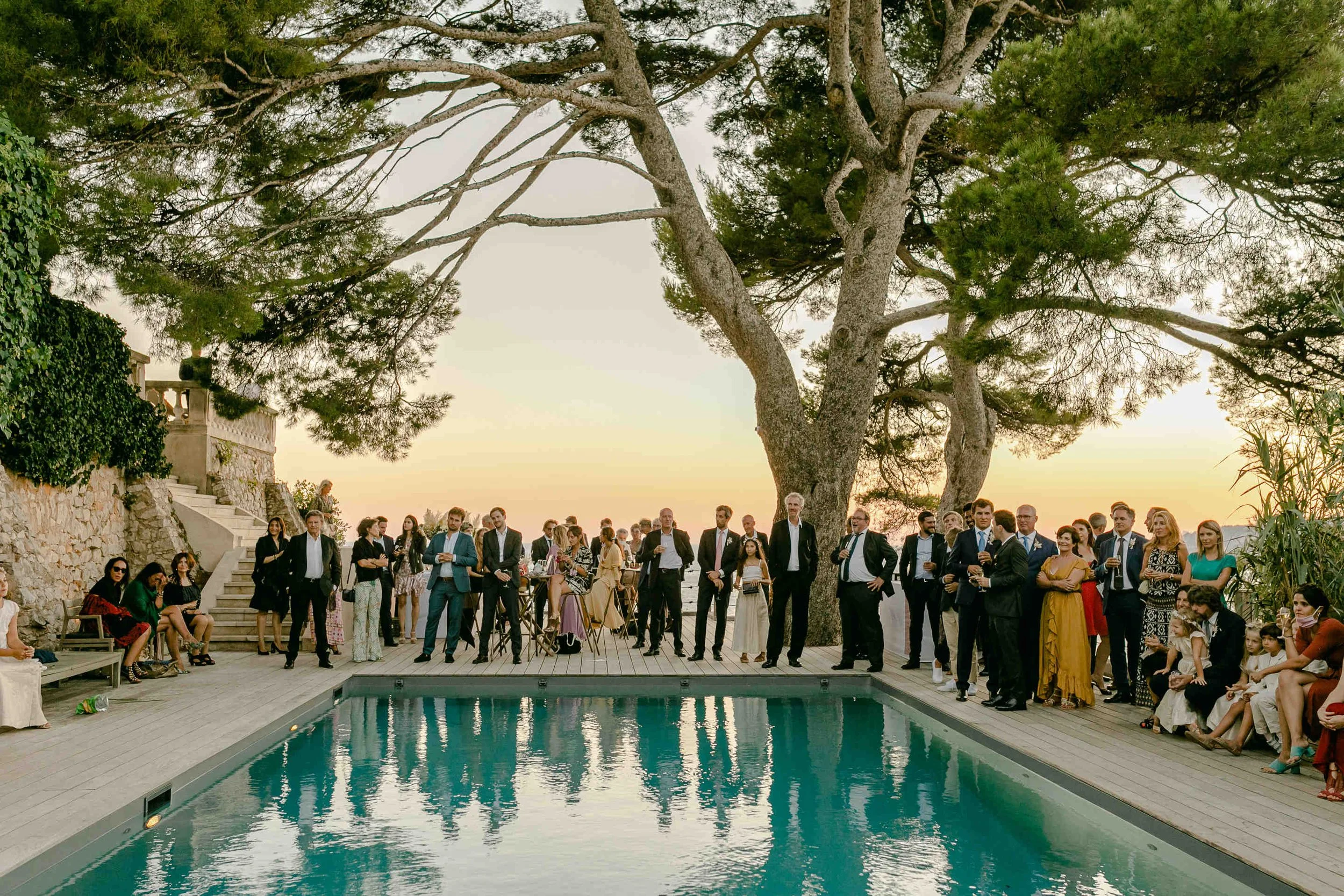
Brand activation and events: Creating an experience that makes an impact
The most powerful activations are often those with a physical dimension, as they transform a simple interaction into a genuine experience. By bringing the brand to life in a specific setting, through scenography or an activity, they create immersion, interaction, and lasting memories. Audiences no longer simply receive a message: they participate, experience, and associate the brand with a tangible and memorable moment. This is why the connection between activation, experience, and events is so strong: activation brings the brand strategy to life, the experience creates emotion, and the event provides the setting in which it can be fully experienced.
Organize a brand activation with Homanie
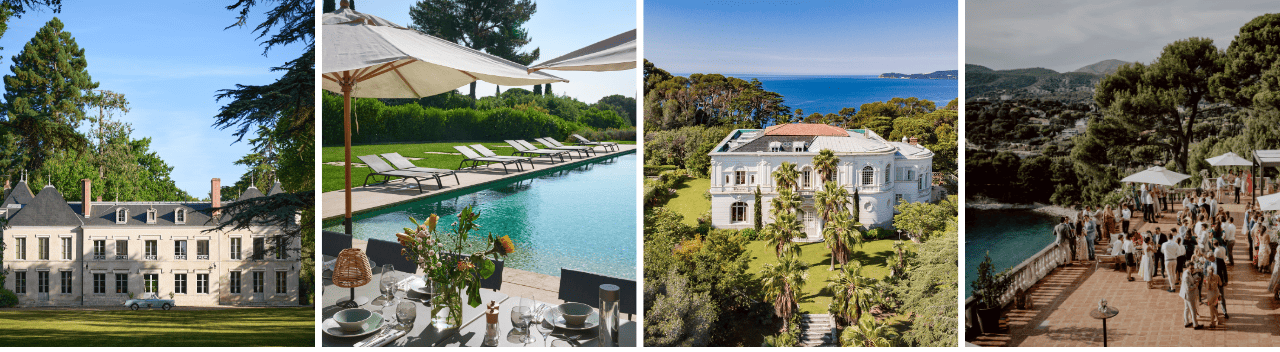
Homanie acts as a true facilitator of brand experiences, putting its expertise and network at the service of companies looking to create impactful and memorable activations. With a selection of unique venues, villas, and exceptional properties in premium destinations, Homanie helps brands find the ideal setting to bring their universe to life. Each property is carefully selected for its distinctive character, elegant atmosphere, and privacy. Whether it is a luxury waterfront estate, a château in a region with a strong identity, a penthouse, or a design-led loft in Paris, each venue offers high-end comfort in an inspiring and prestigious setting.
Across these inspiring venues available for private hire, Homanie provides personalized support to ensure a seamless event, connecting brands with high-end professionals such as caterers, scenographers, and entertainers. Together, we create an elegant, tailor-made event designed to surprise and engage your guests.
Brand activation: Good to know
-
A brand activation creates a direct and emotional connection with audiences by transforming communication into an experience. It helps increase brand awareness, drive engagement, and make the brand more memorable. By offering an immersive experience, an event, or an original interaction, a company can also stand out in a highly competitive environment and create opportunities for sharing. Brand activation therefore becomes a way to bring the brand’s values and universe to life, while building stronger and more lasting relationships with its audiences.
-
A successful brand activation starts with defining a clear objective: increasing brand awareness, launching a product, driving engagement, or building a closer relationship with a specific audience. The next step is to create an experience that reflects the brand’s identity, choose a venue and format that encourage immersion, and design opportunities for meaningful interaction.
The event should be considered as a whole, from scenography and activities to communication before, during, and after the experience. Finally, it is essential to measure results through attendance, engagement, media coverage, and content generated by participants in order to assess the activation’s overall impact.
-
The choice of venue is a key part of brand activation, as it directly shapes the experience participants have. A distinctive setting that aligns with the brand’s identity can create a stronger sense of immersion, heighten emotion, and make the event more memorable. Whether it is an exceptional villa, private estate, château, or premium destination, the venue becomes an integral part of the activation and helps bring the brand universe to life.
It should also be suited to the event format, number of participants, and experiences planned. A well-chosen venue does more than simply host the activation: it gives it meaning and contributes to its overall impact.
-
The success of a brand activation can be measured by its ability to drive engagement, create a memorable experience, and deliver tangible results. Several KPIs can be tracked, including attendance, interactions with the brand, social media reach and engagement, user-generated content, media coverage, and changes in brand awareness or purchase intent.
Qualitative feedback is also essential for assessing the emotional impact of the experience. The goal is therefore not only to measure how many people were reached, but above all what they experienced, remembered, and shared.