Company Anniversary: 7 Ideas to Organize a Successful Event
Published on March 9, 2026 | Reading time: 8min30
By Laurine Baille, Marketing at HOMANIE

Celebrating a corporate anniversary is not simply about marking a date on the calendar. It is a symbolic milestone that reflects the journey completed, the challenges overcome, and the successes built over the years. Whether it marks 5, 10, 20 years or more, such an event offers a unique opportunity to highlight the history, values, and identity of an organization.
Organizing a corporate anniversary also helps bring teams together around a meaningful moment, while thanking employees, partners, and clients for their commitment and support. It is both a time of recognition and a moment to look toward the future: by celebrating the past, a company also reaffirms its ambitions and vision.
In many cases, companies choose to combine this celebration with a incentive travel experience, embracing the bleisure approach by creating a longer moment of gathering that mixes strategic reflection, collaborative activities, team bonding, and celebration. This format allows teams to step away from the office, reconnect in an inspiring setting.
Finally, this type of event represents a powerful communication opportunity. It allows you to showcase your brand, increase visibility, and strengthen your image with both internal and external audiences. When thoughtfully designed and well orchestrated, a corporate anniversary becomes far more than a celebration, it becomes a strategic tool.
Below, you will find our tips and ideas to turn your company anniversary into a lasting success.
Summary
Why organize a corporate anniversary?
Define the GOALS of the event

Start by asking yourself a simple question: why are we organizing this anniversary?
Do you want to strengthen team cohesion, enhance your brand image, launch a new offer, or thank your partners? Each goal will require a different tone, format, and target audience.
Defining the strategic intention from the outset helps guide all key decisions regarding target audiences, budget, and program.
The event may be aimed at employees, clients, prospects, institutional partners, and ultimately professional or general media. Being clear about your audience allows you to adapt the message, format, and content accordingly.
Above all, a corporate anniversary is a celebration of identity. The goals should align with your culture, DNA, and positioning. If your company values innovation, the event should reflect that ambition. If it emphasizes closeness and human connection, the experience should be warm, engaging, and unifying.
Define measurable objectives
To ensure the event goes beyond a purely symbolic moment, transform your intentions into clear and measurable goals. For example:
Increase brand visibility (number of press mentions, engagement on social media)
Improve internal satisfaction (post-event survey results)
Generate new business opportunities (number of qualified contacts)
In short, defining the goals of a corporate anniversary means turning a symbolic date into a genuine strategic tool. The clearer, more aligned, and measurable your objectives are, the greater and more lasting the impact of your event will be on your organization and its ecosystem.
How to determine the budget?
The budget mainly depends on three factors: the objectives, the number of guests, and the level of experience you want to create. An internal event for 50 employees will obviously not require the same resources as a reception bringing together 300 clients and partners.
To structure your planning, consider the following:
The strategic importance of the event: if it is a major communication opportunity or a key milestone in the company’s life, the investment may be more significant.
The number and profile of guests: employees, VIP clients, institutional partners, etc.
The expected level of service: exceptional venue, scenography, high-end catering, artistic entertainment, video production, and more.
The associated communication: invitations, digital materials, press relations, and content production.
It is advisable to allocate the budget by major categories (venue, catering, technical production, entertainment, communication, logistics) in order to identify priorities and avoid unexpected expenses.
Which format should you choose based on your GOALS?
The format should be selected according to the message you want to convey and the audience you want to reach. Here are a few examples:
Gala evening: ideal for enhancing brand image and thanking partners and clients.
Immersive day or open house: suitable for showcasing the behind-the-scenes of your company and strengthening connections.
Hybrid or digital event: relevant if your audiences are geographically dispersed.
Festive internal seminar: perfect for engaging teams and strengthening cohesion, especially during offsite events organized outside the company’s premises to encourage creativity and disconnection.
Exclusive experience in an exceptional venue: ideal for creating a lasting impression.
The format should always remain consistent with your company culture. An innovative start-up may prefer a creative and experiential concept, while a more institutional company might opt for a more formal event.

HOW LONG SHOULD THE EVENT BE based on your GOALS?
Here are a few useful guidelines:
Objective: internal cohesion
→ 3 to 5 hours (evening event) are usually enough for a convivial moment with speeches, entertainment, and a cocktail reception.
→ A full day can be appropriate if you include workshops, team-building activities, or a strategic seminar.Objective: external communication / brand image
→ 2 to 4 hours for a targeted reception (clients, partners, media) with speeches and high-quality networking.
→ Half a day if you add a conference, roundtable discussion, or official presentation.Objective: strategic launch or repositioning
→ Half a day to a full day, allowing time for announcements, demonstrations, and in-depth discussions.Objective: celebrating a major milestone (20, 30, 50 years…)
→ 1 to 2 days to mark an important milestone, similar to a year-end seminar that brings teams together and celebrates achievements.
7 concrete ideas to organize a successful corporate anniversary
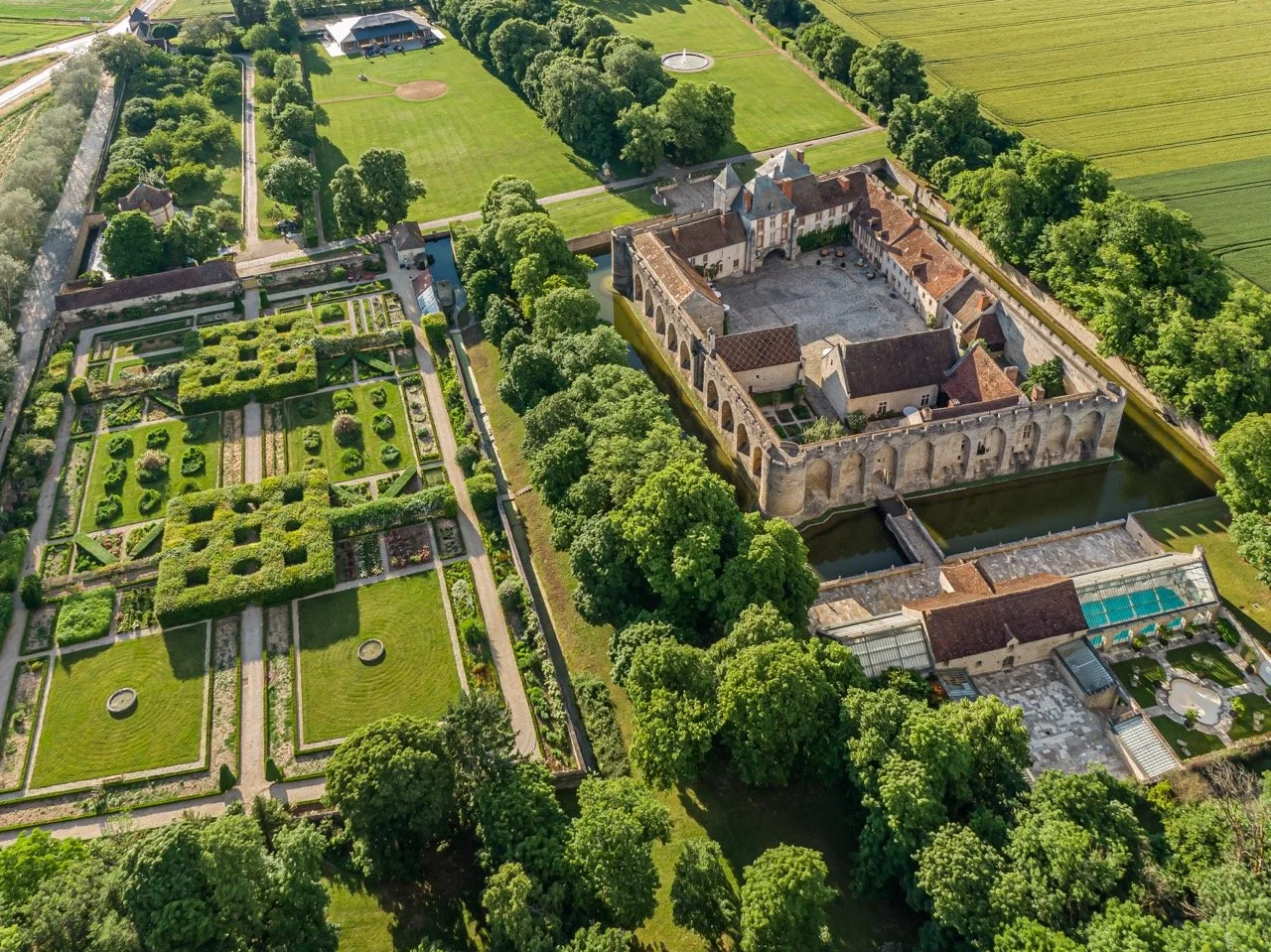
Organize an escape game in a spectacular location
Example: Corporate retreat at a château near Paris
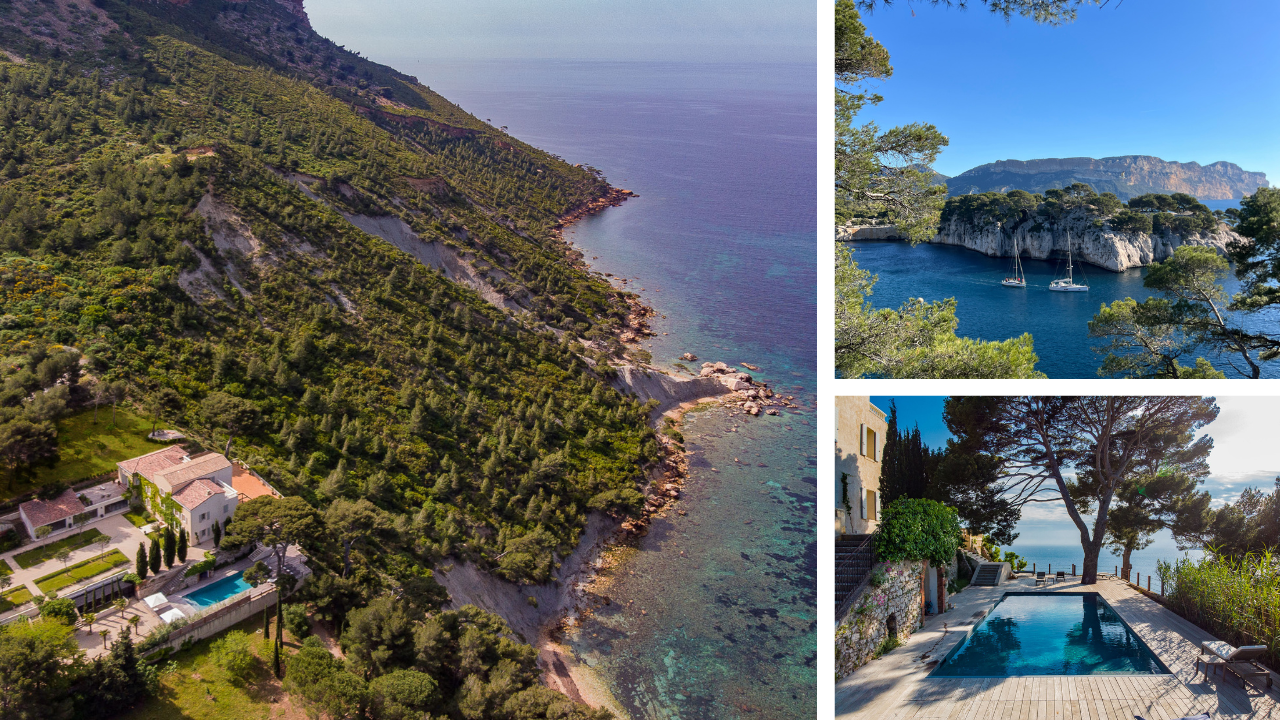
2. Take your teams away from their everyday environment by organizing a sailing cruise, an incentive seminar idea that combines activities with shared moments.
Example: boarding for a beach corporate retreat, such as during a corporate retreat in Cassis.
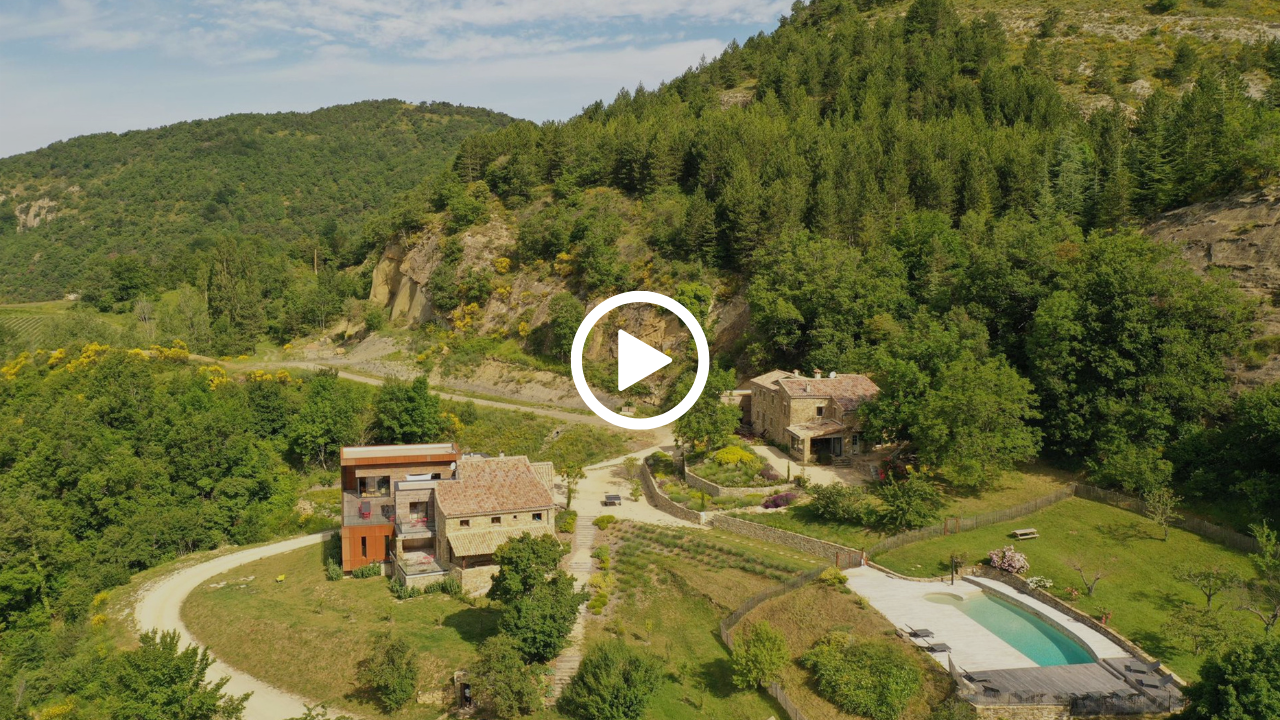
3. Organize a day dedicated to relaxation and well-being
Example: a corporate seminar in the Drôme Provençale
4. Invite employees to discover the company’s headquarters, past or future.
5. Organize a day at a production site connected to the company’s activity.
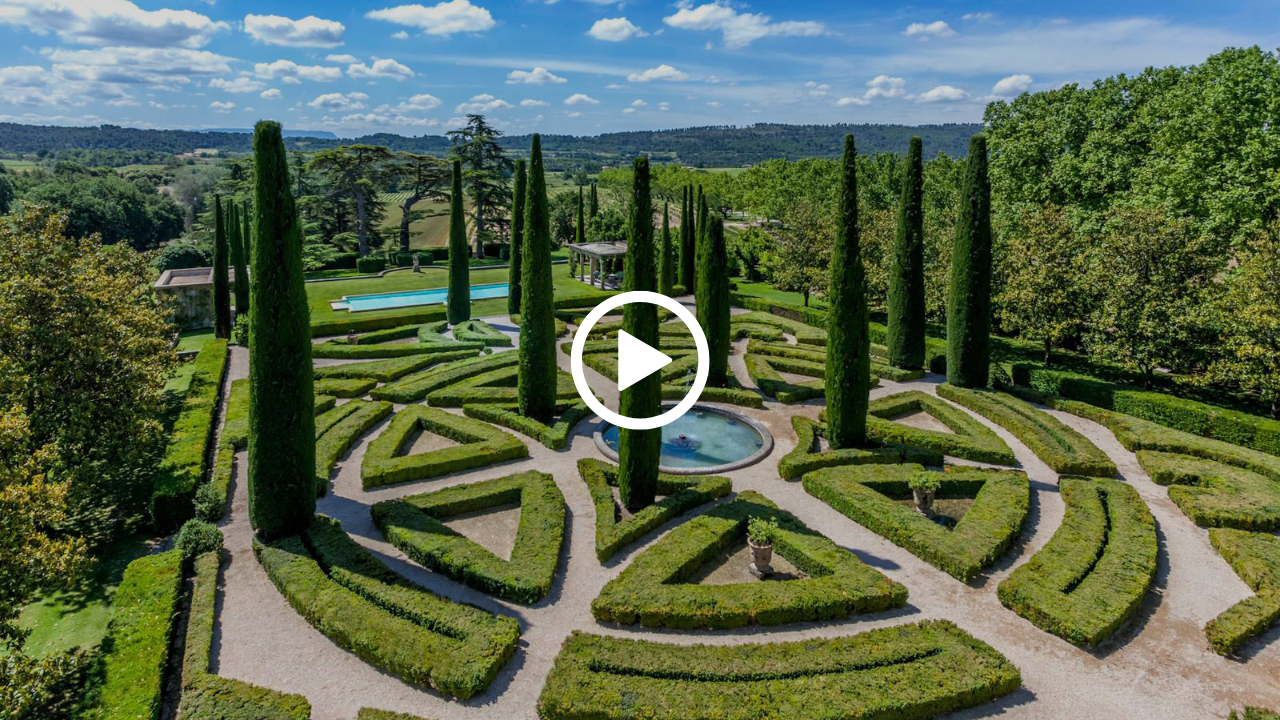
Example: During a seminar in the Luberon organized for a company in the cosmectics industry, discover the region’s iconic fragrances.
6. Organize a culinary creation workshop with a private chef to design cakes inspired by the company’s logo.
7. Create orpportunities for employees to meet the end users of the products they sell.
Organize a corporate anniversary in an exceptional venue with Homanie
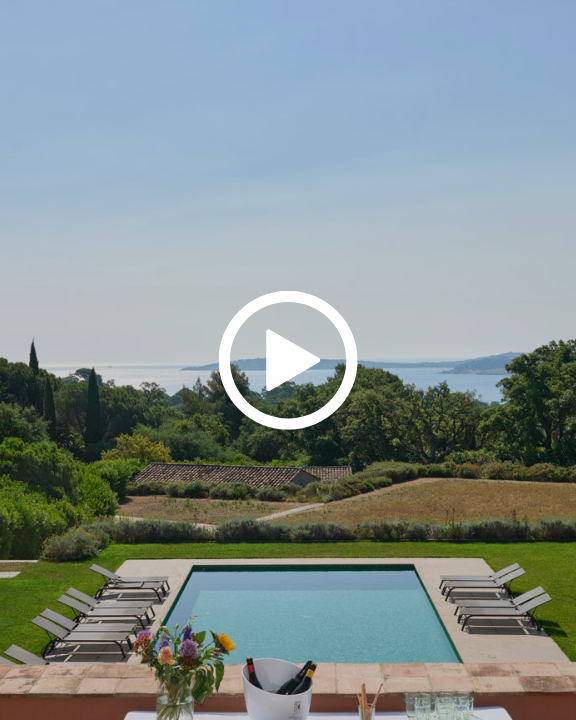
Homanie’s properties can host up to 50 guests for corporate anniversary celebrations, bringing together employees, loyal clients, and media in a timeless setting. To inspire and impress your guests, host your event in a villa overlooking the Mediterranean, in an exceptional château surrounded by gardens, or in a wine estate offering experiences such as olive harvests or wine tastings.
Lacking inspiration? Here are a few ideas to make your company anniversary truly memorable with Homanie’s exceptional villas, teams, and seminar destinations:
Celebrate during a seminar in a château.
Host a celebration in an apartment with an Eiffel Tower view.
Organize a seminar near Paris, less than two hours away by train.
Inspired by the Olympic spirit, plan a mountain seminar in a ski resort to bring sporty teams together.
In spring or autumn, enjoy views of the Mediterranean Sea during a seminar on the Côte d’Azur.
To rival the team-building spirit of the French national rugby team, organize a seminar in South-West France.
Dare to go to Spain by organizing a seminar in Cadaqués.
Corporate Anniversary: Answers to all your questions
-
The number of people to invite to a corporate anniversary primarily depends on your objectives, budget, and the format of the event. If the event aims to bring teams together, it makes sense to invite all employees. If it has a more strategic or commercial dimension, a targeted selection of clients, partners, or prospects may be more appropriate.
Intimate formats (30 to 80 people) tend to encourage meaningful and high-quality interactions, while larger-scale events help increase visibility and overall impact. The key is to find the right balance between venue capacity, the experience you want to create, and return on investment. Sometimes, fewer guests but a memorable experience aligned with your brand image can be the most effective choice.
-
The best time to organize a corporate anniversary depends on your business activity and target audience, but spring (April to June) and early autumn (September to October) are often ideal. The weather is generally pleasant, professional schedules tend to be more flexible, and the atmosphere is well suited to convivial events.
It can also be meaningful to choose a symbolic date linked to the company’s founding, in order to reinforce the historical and emotional dimension of the celebration.
-
Organizing a corporate anniversary should involve both leadership and operational teams. Senior management defines the strategic objectives and approves the budget, while the communications, marketing, or HR departments oversee the design and coordination of the project.
Depending on the scale of the event, the finance department (for budget monitoring) and the sales teams (for guest management) may also be involved. Finally, working with an event agency can be valuable to ensure creativity, well-managed logistics, and smooth execution, especially for a large-scale event.
-
Measuring the success of a corporate anniversary involves comparing the results achieved with the objectives defined beforehand. If the focus was internal, you can evaluate employee satisfaction through a post-event survey, participation rates, or changes in engagement levels.
If the objective was external, analyze media coverage, social media visibility, the number of qualified contacts generated, or new business opportunities created. It is also useful to consider more qualitative indicators, such as brand perception or the strength of relationships built or reinforced.
By combining quantitative data and feedback from participants, you will gain a clear understanding of the real impact of your event.
-
A corporate anniversary may be tax deductible, provided that it is organized in the direct interest of the company and complies with the applicable tax regulations.
In general, expenses related to a professional event (venue rental, catering, technical services, communication, entertainment) are considered deductible business expenses if their purpose is business development, brand promotion, or internal team cohesion.
However, if the event is perceived as a prestigious reception or includes expenses considered excessive, the tax authorities may reclassify them. It is also important to distinguish entertainment expenses, which are subject to specific rules, and the possible recovery of VAT, which depends on the nature of the expenses (for example, VAT on catering is generally not recoverable).
It is therefore recommended to keep all supporting documents, clearly document the professional purpose of the event, and consult your accountant to ensure the appropriate tax treatment based on your specific situation.
-
The average duration of a corporate anniversary depends on the format chosen, but most events last half a day or an evening (3 to 5 hours).
An anniversary evening with speeches, entertainment, and a cocktail reception generally lasts between 3 and 4 hours. A full-day format including conferences, workshops, or open-house activities can extend from 6 to 8 hours. For companies wishing to mark a major milestone (10, 20, 50 years…), the event may even take the form of a weekend or a two-day seminar.
The key is to adapt the duration to the objectives and the attention span of the guests: a well-paced and structured program will have more impact than an event that is too long.