How to Plan a Wedding: A Step-by-step Guide
Published on June 23, 2026 | Reading time: 9 min
By Bérénice Cousin, Community Manager at HOMANIE
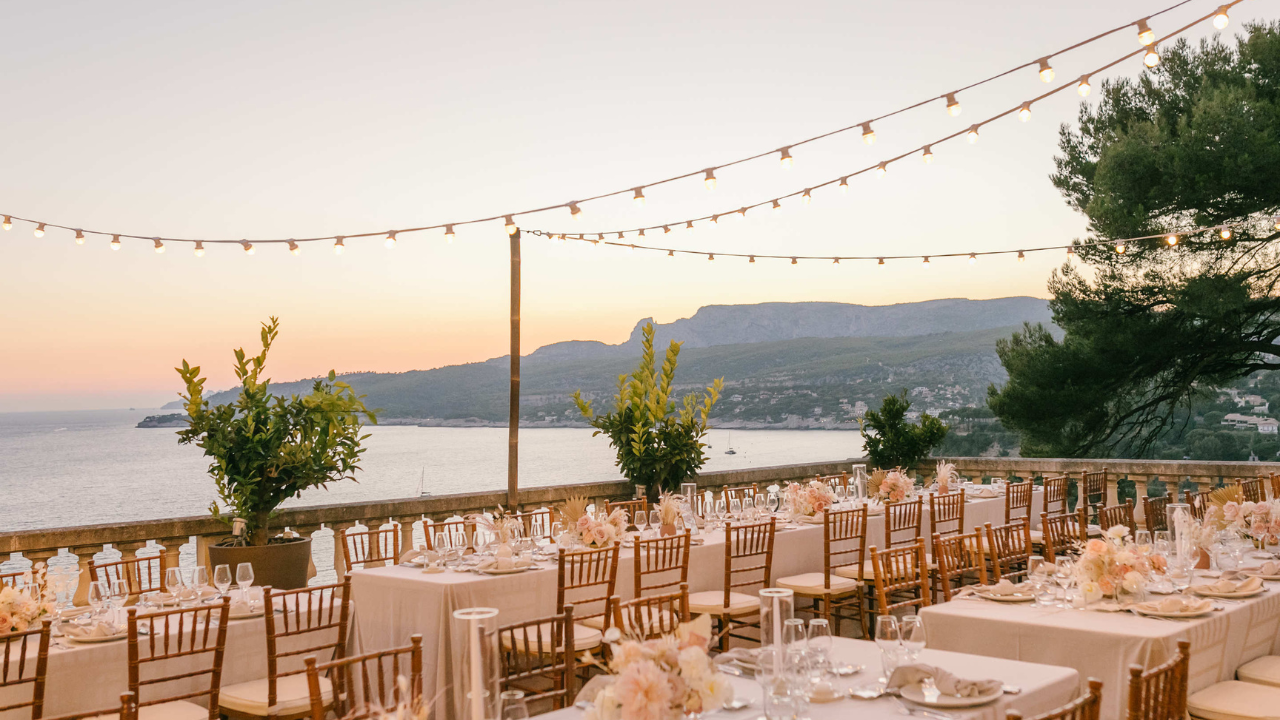
Planning a wedding is one of the most exciting journeys a couple can embark on, but it can also feel overwhelming without a clear roadmap. From setting a budget and choosing the perfect venue to selecting vendors, creating a guest list, and coordinating the big day, there are countless details to consider. The good news is that, with the right approach, wedding planning can be both manageable and enjoyable. This step-by-step guide will walk you through every stage of the process, helping you stay organized, make informed decisions, and create a celebration that reflects your unique love story.
Summary
Wedding Planning Essentials
Set your budget early
Choose your venue first
Plan at least 12 - 18 months in advance
Prioritize what matters most
Consider a destination wedding
The 10 Steps to Plan a Wedding
Step 1: Set Your Wedding Budget
Setting your wedding budget is one of the first and most important steps in the planning process. Before booking venues or hiring vendors, determine how much you can realistically spend and identify who will be contributing financially. A clear budget will help guide your decisions, prioritize the elements that matter most to you, and prevent unexpected expenses from derailing your plans. Be sure to include a contingency fund for last-minute costs and budget adjustments along the way.

Step 2: Define Your Wedding Vision
Defining your wedding vision helps create a cohesive celebration that reflects your personality as a couple. Take time to discuss the atmosphere, style, and experience you want to offer your guests, whether it's a formal black-tie affair, a rustic countrysidegathering, or an intimate destination wedding. Establishing a clear vision early on will make it easier to choose your venue, décor, attire, and vendors while ensuring every element contributes to the overall look and feel of your special day.
Step 3: Choose Your Wedding Destination & Venue
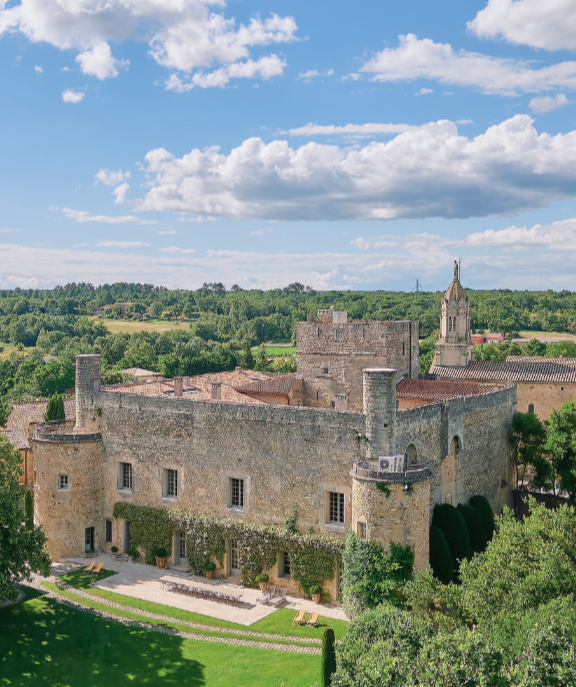
Choosing your wedding destination and venue is a key decision that sets the tone for your entire celebration. Consider factors such as guest accessibility, seasonality, capacity, style, and budget when evaluating options, whether you're dreaming of a local venue, a countryside château, or a beachfront escape. It’s also important to visit shortlisted locations in person if possible and confirm what is included in the package, such as catering, accommodation, coordination services, and packages all inclusives options.
If you plan a wedding in France, Homanie can provide a catalog of mansion wedding venues perfect for intimate or grandiose events. Do you prefer a wedding venue in Paris? Or in mitten lavender fields in Provence? Or at the seaside of the French Riviera?
Step 4: Create Your Guest List
Start by drafting a list of must-invite family members and close friends, then expand it based on your priorities and available budget. Be realistic about your venue’s capacity and consider whether you will allow plus-ones or invite children. Finalizing your guest list early will help streamline the planning process and ensure a more accurate estimate of your wedding costs.
Step 5: Hire Your Wedding Vendors
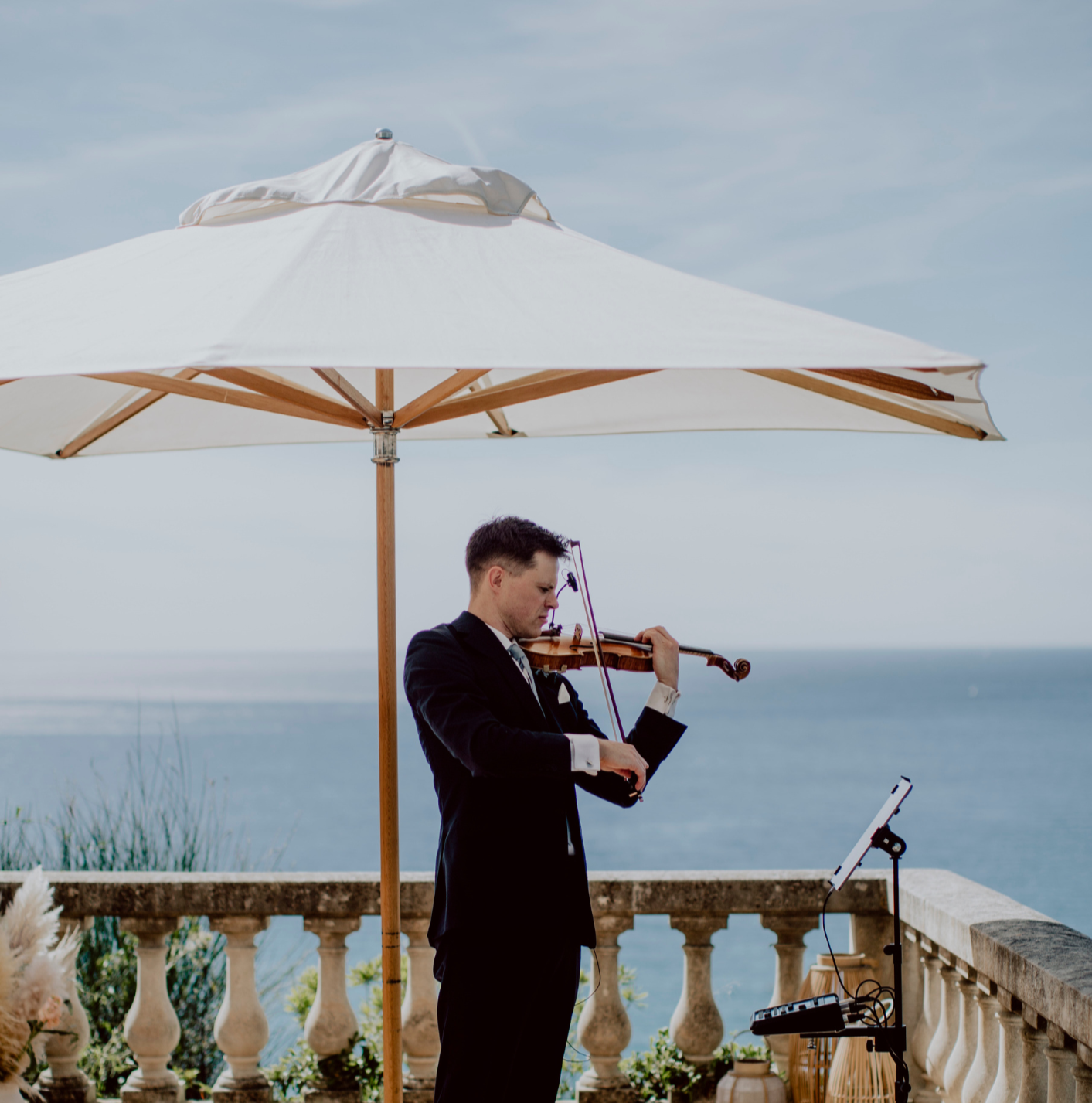
From photographers and caterers to florists, musicians, and planners, the right professionals can make your wedding day run smoothly and create a memorable experience for you and your guests. Take time to research options, read reviews, compare proposals, and schedule consultations before making your decision. Booking trusted vendors early is especially important for popular dates, as the best professionals are often reserved months or even years in advance. Homanie’s team can help you if you need ideas and contact French-only vendors.
Step 6: Choose Your Wedding Date
Choosing your wedding date is an important milestone that influences everything from venue availability and vendor bookings to your overall budget and guest attendance. Consider factors such as the season, local weather, significant personal dates, and any holidays or major events that could affect travel and accommodation costs. If you have a specific venue or destination in mind, flexibility with your date can often provide more options and better pricing. Once your date is set, you can move forward with securing key suppliers and sharing the news with your guests. In France, the summer months will be crowded, whereas September and October are still sunny in the South and cheaper.
Step 7: Plan Accommodation & Guest Experience
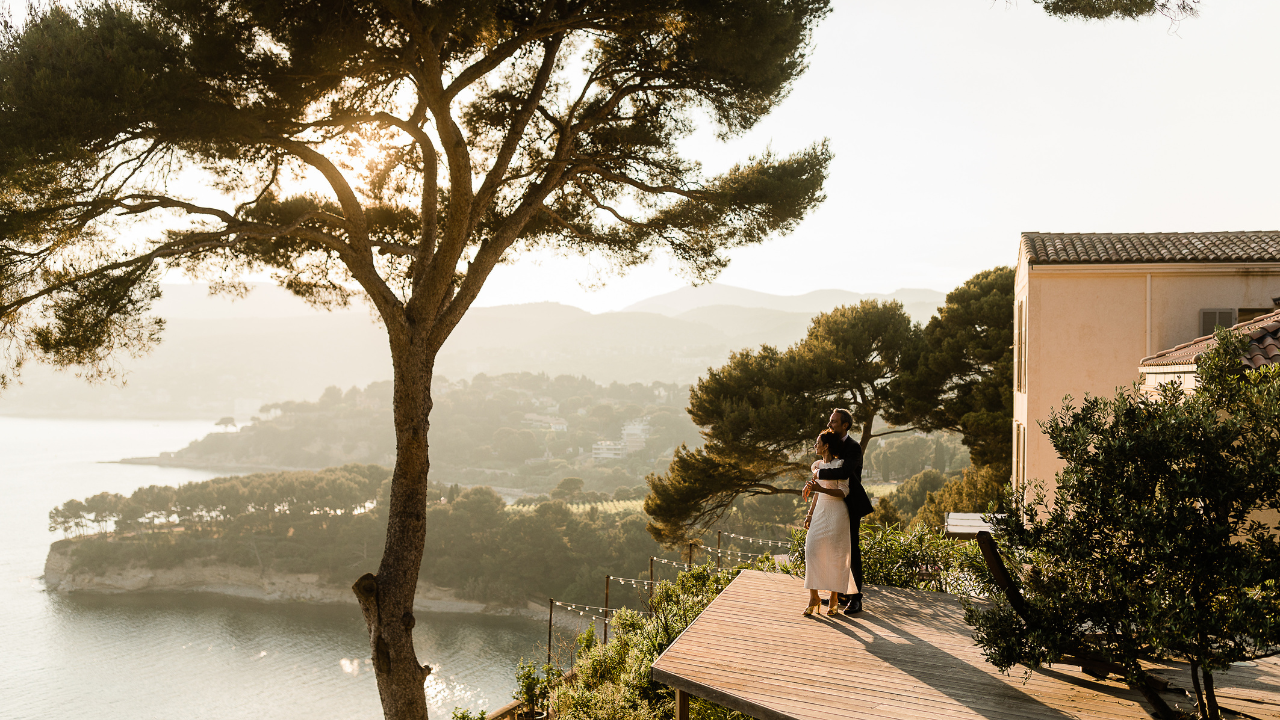
Planning accommodation and the overall guest experience are especially important if you are organizing a destination wedding. Consider reserving rooms at nearby hotels, providing clear travel information, and sharing recommendations for local attractions, restaurants, and activities. Thoughtful touches such as welcome bags, transportation arrangements, or a dedicated wedding website can help guests feel informed and appreciated. By anticipating their needs and making logistics as seamless as possible, you can ensure everyone enjoys a comfortable and memorable celebration.
Step 8: Plan the Ceremony & Reception
Begin by outlining the ceremony structure, including vows, readings, music, and any personal traditions you wish to incorporate. For the reception, consider the flow of events such as the grand entrance, speeches, dinner service, first dance, and entertainment. Creating a detailed timeline and coordinating with your vendors will help ensure a seamless experience, allowing you and your guests to fully enjoy every moment of the celebration.
Step 9: Finalize the Details
Finalizing the details is the stage where all the planning elements come together to ensure a smooth and stress-free wedding day. Confirm timelines with all vendors, double-check seating arrangements, taste the final menus, and review any outstanding contracts or payments. Prepare a detailed day-of schedule and share it with your wedding coordinator and key suppliers so everyone is aligned. Taking the time to review and polish every detail in advance will help you avoid last-minute surprises and allow you to fully enjoy your celebration with confidence.
Step 10: Enjoy Your Wedding Day
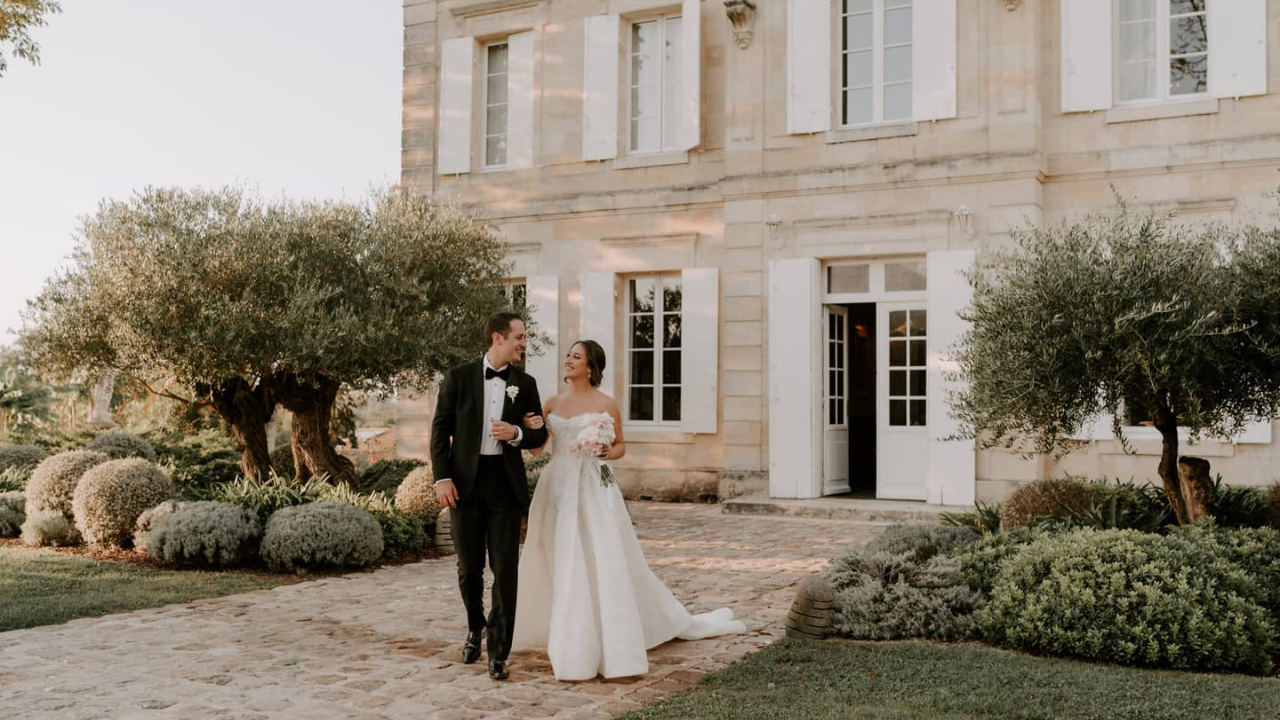
Enjoying your wedding day means allowing yourself to be fully present in the moment after months of planning and preparation. Once everything is in place, trust your vendors and coordinators to handle the logistics so you can focus on celebrating with your partner, family, and friends. Take time to pause throughout the day, soak in the atmosphere, and appreciate the meaningful moments as they unfold. The day may pass quickly, but being mindful and relaxed will help you remember it as a joyful and unforgettable experience.
Wedding Planning Timeline
-
Set your wedding budget
Define your wedding vision and priorities
Choose your wedding destination
Create a preliminary guest list
Choose your wedding date
Research and book your ceremony and reception venue
Hire a wedding planner (if desired)
Book key vendors, including your photographer, videographer, caterer, and entertainment
Begin shopping for wedding attire
Launch your wedding website
Start planning accommodation options for guests
-
Send save-the-dates
Finalize your guest list
Select and order wedding attire and accessories
Book remaining vendors, such as florists, transportation providers, and rental companies
Plan your ceremony details and reception format
Reserve hotel rooms for guests
Schedule engagement photos
Begin researching honeymoon options
Arrange wedding insurance if applicable
Start planning décor, floral designs, and stationery
-
Send wedding invitations
Track RSVPs
Finalize catering menu and beverage selections
Attend hair and makeup trials
Purchase wedding bands
Confirm ceremony readings, vows, and music
Schedule dress and suit fittings
Plan seating arrangements and floor plans
Finalize honeymoon bookings
Meet with vendors to review logistics and timelines
-
Confirm final guest count with your venue and caterer
Confirm your wedding venue
Create your seating chart
Order place cards, menus, and signage
Obtain your marriage license and complete any legal requirements
Confirm transportation arrangements
Schedule final attire fittings
Prepare welcome bags for out-of-town guests
Finalize your wedding-day timeline
Make final vendor payments according to contract terms
Hold your wedding rehearsal and rehearsal dinner planning
-
Confirm all vendor arrival times and contact information
Pack for your honeymoon
Prepare an emergency kit for the wedding day
Break in your wedding shoes
Delegate day-of responsibilities to trusted friends, family members, or your coordinator
Prepare and practice speeches or vows
Gather all wedding-day essentials, including rings, marriage license, attire, and accessories
Confirm accommodation and transportation details for guests
Get plenty of rest and stay hydrated
Relax and enjoy the final countdown to your wedding day!
Why Choose a Destination Wedding?
A destination wedding offers couples the opportunity to celebrate their special day in a unique and memorable setting while combining their wedding and travel experience into one unforgettable event. For example, a France beach wedding is an increasingly popular choice for couples looking for a romantic seaside atmosphere, combining elegant landscapes with a relaxed coastal vibe. Whether held on a sun-soaked beach, in a historic château, or amidst breathtaking mountain scenery, destination weddings provide a stunning backdrop that creates lasting memories for both the couple and their guests. Among the most sought-after options today are chateau wedding venues, which offer timeless elegance and a romantic atmosphere for celebrating such a special occasion. They often encourage a more intimate atmosphere, allowing couples to spend quality time with loved ones over several days rather than just a few hours. For many, a destination wedding is also a chance to showcase a favorite place, discover a new culture, and create an experience that feels truly personal and extraordinary.
Why Choose Homanie for Your Wedding?
Homanie invites you to celebrate your dream wedding at one of its exclusive private estates. Located in France and Southern Europe, the properties offer a diverse range of breathtaking settings from stunning sea views and picturesque vineyards to serene mountain retreats and lush countryside escapes. Each Homanie property seamlessly blends luxury and sophistication with intimacy and warmth. Featuring expansive natural landscapes and elegant interiors, these enchanting venues provide the perfect backdrop for exploring the best destination wedding packages, designed to create an unforgettable celebration.
Beyond the venues, Homanie works closely with a network of trusted vendors and wedding planners who share its commitment to excellence. From distinguished caterers to talented florists and experienced coordinators, we connect you with the best professionals to ensure your celebration is flawless.
Contact Homanie at +33 6 81 23 78 63 or contact@homanie.com.
How to plan a wedding: Good to Know
-
The 50/30/20 rule for weddings is a budgeting guideline that helps couples allocate their wedding funds across the most important categories while keeping spending under control.
50% – Venue, Food & Drinks
Around half of your wedding budget is typically dedicated to the core guest experience:
Venue rental
Catering
Bar service and beverages
Wedding cake or desserts
Service fees and gratuities
These expenses usually represent the largest portion of wedding costs, especially for larger guest lists.
30% – Wedding Style & Experience
About 30% of the budget can be allocated to the elements that create the atmosphere and memories of the day:
Photography and videography
Flowers and décor
Entertainment (DJ, band, musicians)
Wedding attire and accessories
Stationery and signage
This category focuses on the visual and emotional aspects of the celebration.
20% – Logistics & Contingency
The remaining 20% should cover practical expenses and unexpected costs:
Transportation
Accommodation
Wedding planner or coordinator
Marriage license and legal fees
Vendor tips
Wedding insurance
Emergency expenses and last-minute additions
Many wedding professionals recommend reserving at least 5–10% of your total budget as a contingency fund, since unexpected costs almost always arise during the planning process.
While the 50/30/20 rule is a useful starting point, every wedding is different. For example, destination weddings may allocate more to travel and accommodation, while couples prioritizing photography or entertainment may choose a different distribution based on their preferences.
-
The first step in planning a wedding is to determine your budget and discuss your overall vision as a couple. Before researching venues or contacting vendors, establish how much you are comfortable spending and identify any financial contributions from family members. At the same time, talk about the type of celebration you want, including the style, size, location, and atmosphere of the event. Having a clear budget and shared vision from the outset will guide all future decisions, helping you prioritize what matters most and avoid costly mistakes later in the planning process.
-
Most weddings are planned 12 to 18 months in advance, especially if you want a popular venue, specific vendors, or a peak-season date. This timeframe gives you enough flexibility to secure your preferred location, book in-demand professionals, and manage key milestones like invitations, attire, and guest logistics without stress. Smaller or more intimate weddings can sometimes be planned in 6 to 9 months, while destination weddings often benefit from a longer lead time to allow guests to organize travel and accommodation. Ultimately, the ideal timeline depends on your budget, complexity, and how much choice you want for your key suppliers.
-
The cost of planning a wedding can vary widely depending on location, guest count, style, and level of luxury, but most weddings fall within a broad range of budgets rather than a fixed price. On average, expenses are driven mainly by the venue, catering, and drinks, which often account for the largest share of the budget, followed by photography, entertainment, and décor. Smaller, intimate weddings can be planned on a modest budget, while larger or destination celebrations can increase costs significantly due to travel, accommodation, and premium services. Establishing clear priorities early on helps couples allocate their budget more effectively and avoid unnecessary expenses while still creating a meaningful and memorable celebration.