Best Beautiful Villages in Spain
Published on February 12, 2026 | Reading time: 8 min
By Bérénice Cousin, Community Manager at HOMANIE
Summary
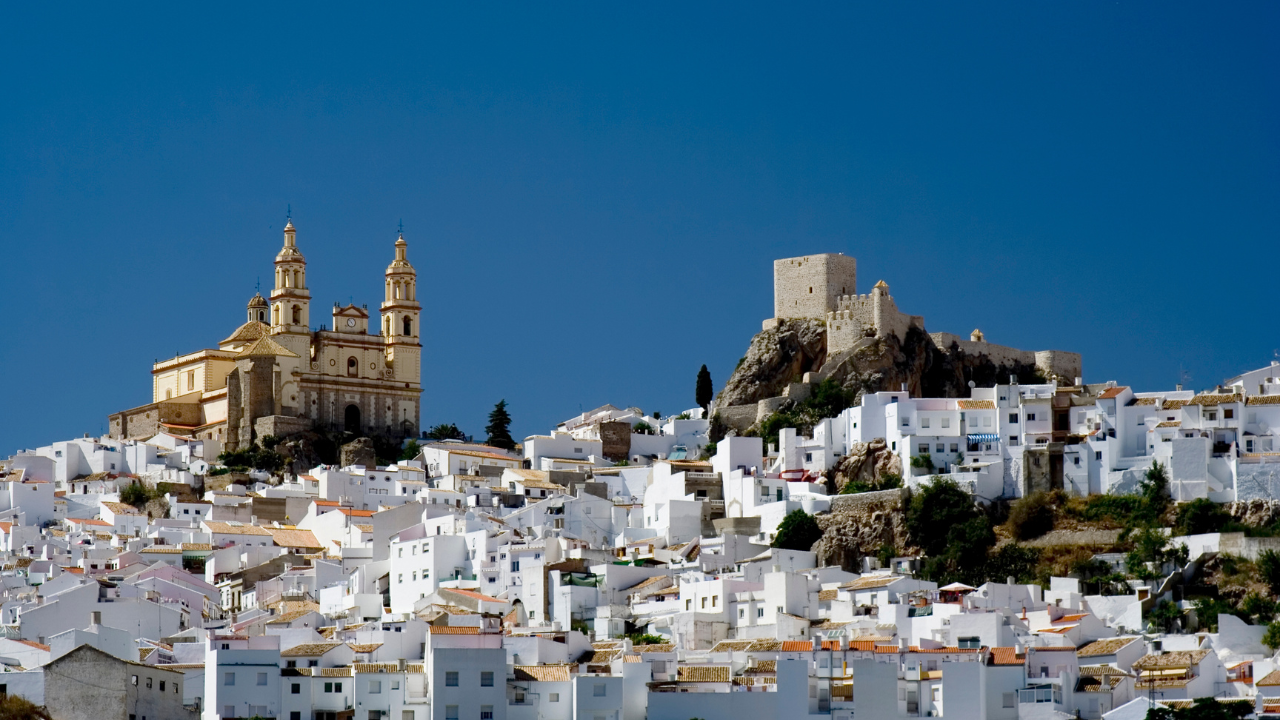
From whitewashed hilltop hamlets to stone-built villages overlooking the sea, Spain is home to some of the most beautiful and characterful villages in Europe. Scattered across mountains, coastlines, and rolling countryside, these small towns offer a timeless charm shaped by centuries of history, local traditions, and distinctive architecture. Far from the bustle of major cities, Spain’s villages invite travelers to slow down, wander through narrow cobbled streets, and experience an authentic way of life where culture, gastronomy, and landscapes come together in perfect harmony.
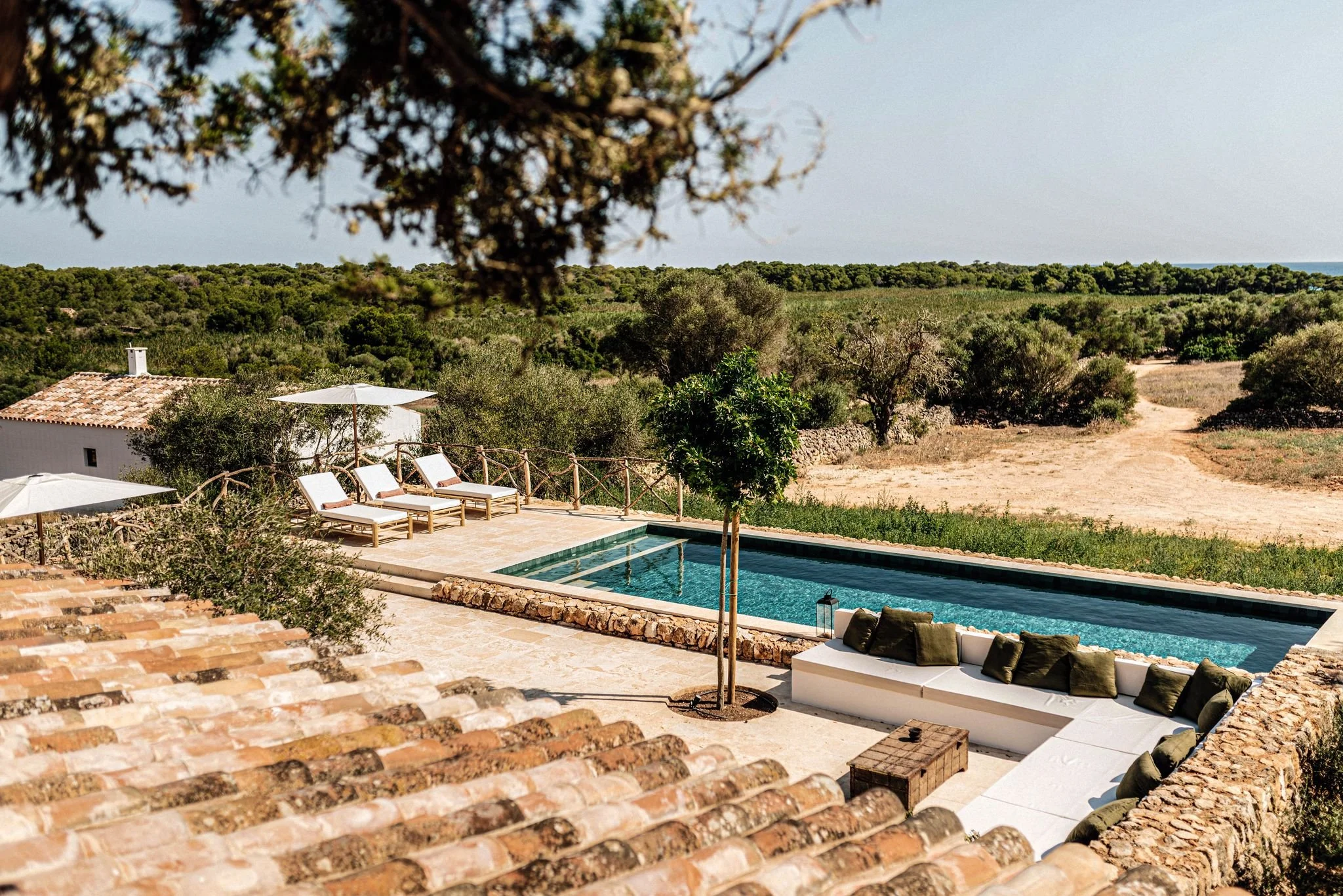
Do you want to rent an impressive luxury mansion for a holiday or a private event?
Why These Villages Are Among the Most picturesque in Spain?
The following list of villages is a list of locations which are considered among the most beautiful cities in Spain because they bring together several elements that define the country’s most enchanting destinations. Each one boasts a strong architectural identity, from whitewashed Mediterranean houses and medieval stone facades to brightly colored seafront homes, all carefully preserved and deeply rooted in local traditions. Their historic centres remain largely untouched by modern development, allowing visitors to experience an authentic sense of place shaped by centuries of history, whether Moorish, Roman, medieval or religious.
Equally important is their exceptional setting. Perched on cliffs, nestled in mountain ranges, or overlooking crystal-clear seas, these villages are seamlessly integrated into their natural landscapes. This harmony between architecture and environment creates striking panoramas and a timeless atmosphere that feels both picturesque and immersive. Combined with a slower pace of life, vibrant local culture, and a strong connection to regional gastronomy and craftsmanship, these villages capture the essence of Spain’s diversity and charm, making them unforgettable and universally admired.
Top 10 Most Beautiful Villages in Spain
1. Cadaqués
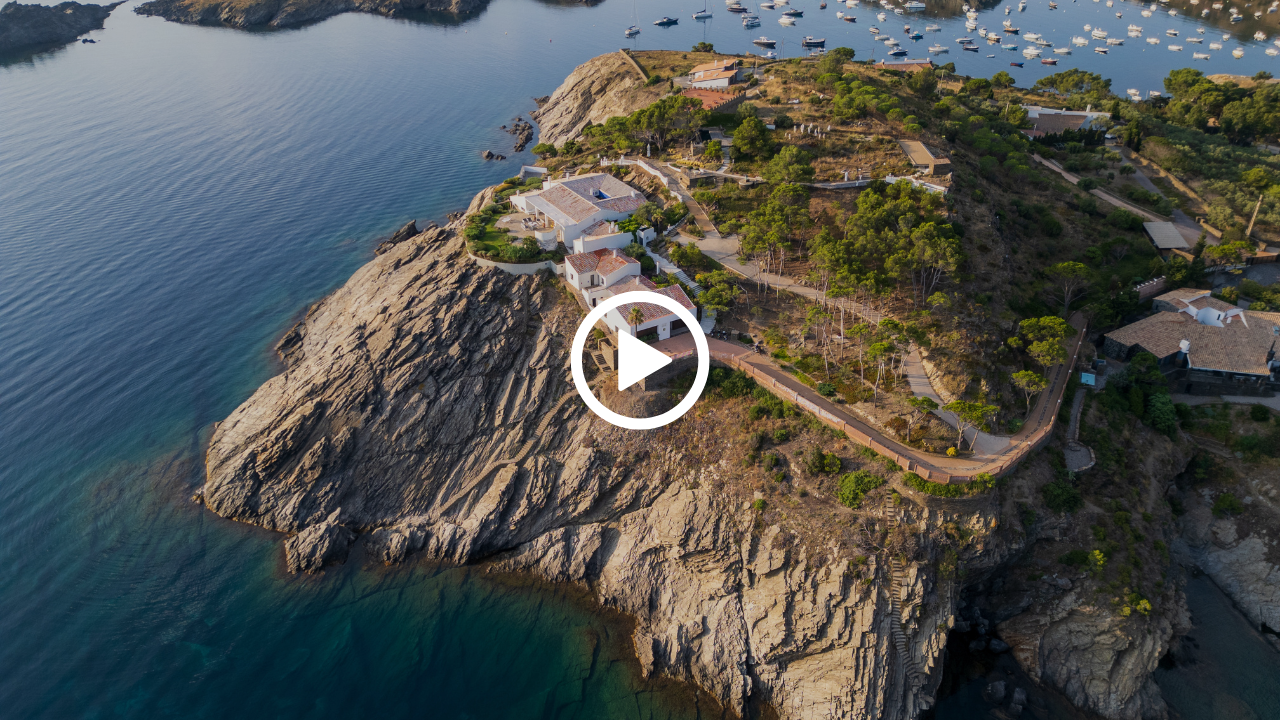
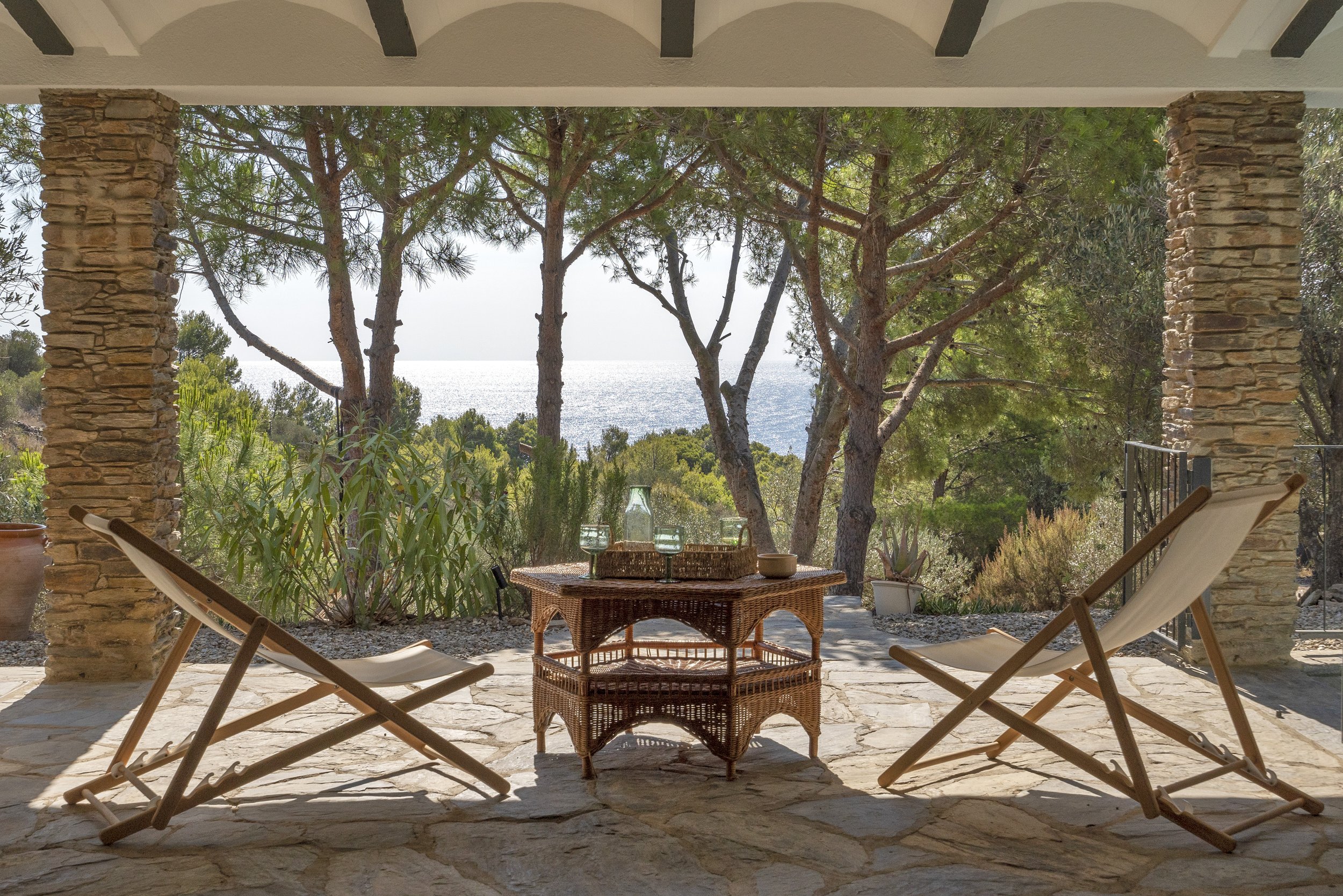
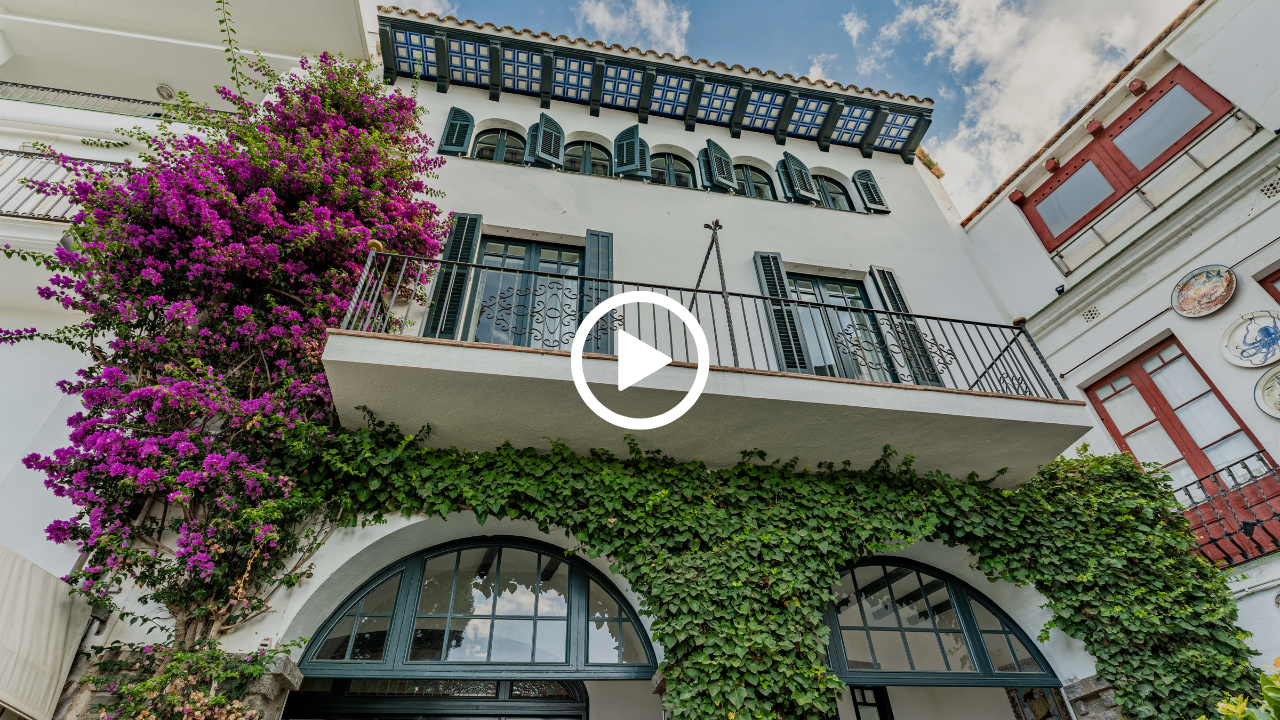
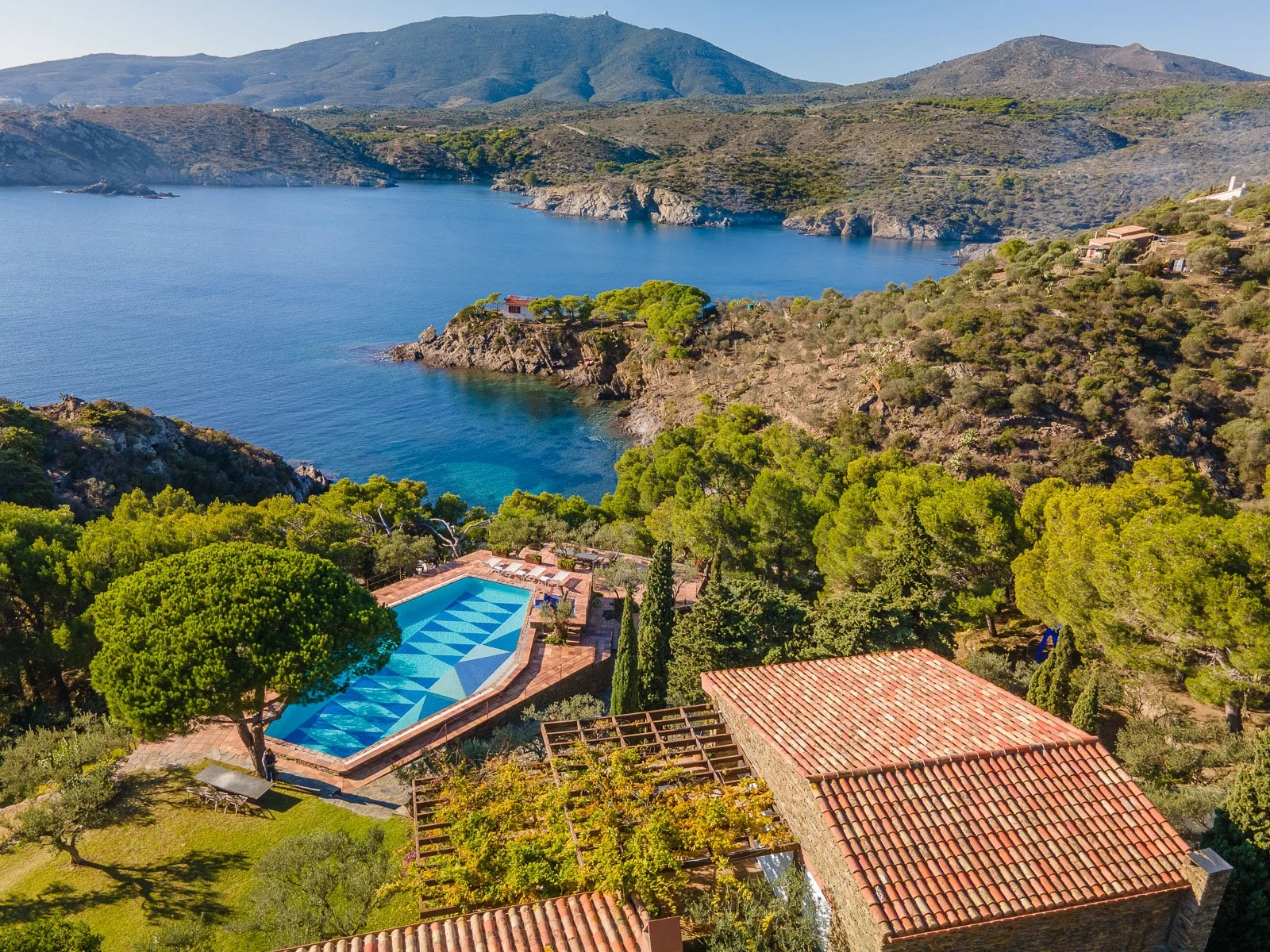
Nestled on the rugged Costa Brava near the French border, Cadaqués is a luminous whitewashed village framed by rocky coves and the deep blue Mediterranean. Long associated with artists such as Salvador Dalí, who lived nearby in Portlligat, the village retains a bohemian spirit that blends effortlessly with its fishing heritage. Narrow streets, seafront cafés and crystalline waters make Cadaqués one of Spain’s most enchanting coastal villages. Read our article listing the finest restaurants in Cadaquès, shops and best beaches in Cadaquès awaiting you in this charming small town.
2. Ronda
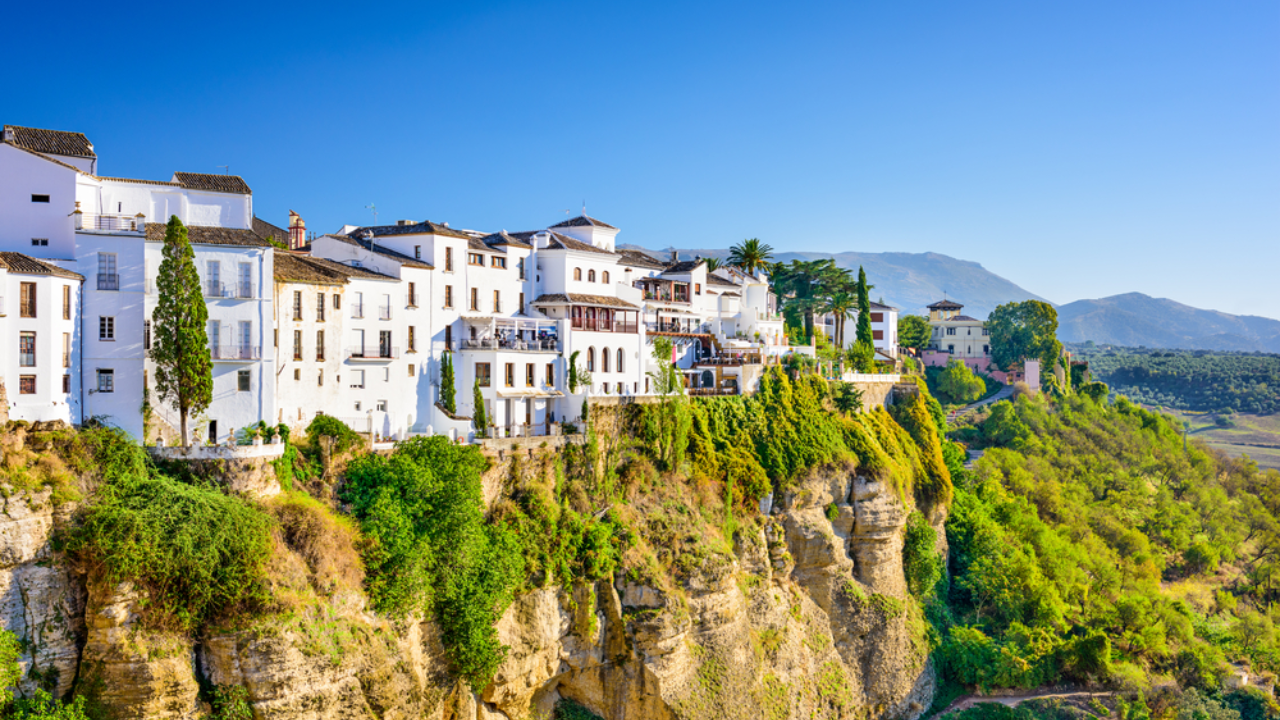
Dramatically perched above a deep gorge in Andalusia, Ronda is one of Spain’s most spectacular historic villages. The Puente Nuevo bridge spans the El Tajo canyon, linking the old Moorish quarter with the newer town and offering breathtaking views. Rich in history, bullfighting tradition, and architectural beauty, Ronda captivates visitors with its white facades, scenic landscapes, and timeless atmosphere.
3. Santillana del Mar
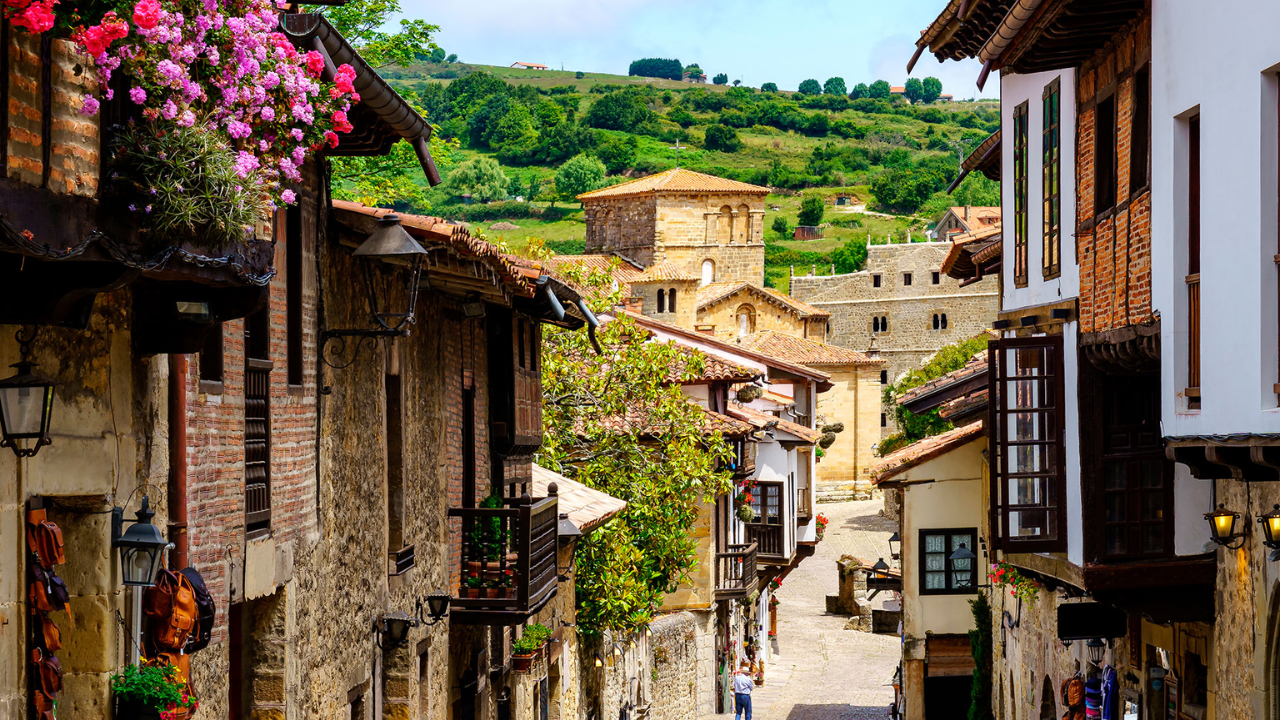
Often described as one of the most beautiful medieval villages in Spain, Santillana del Mar feels like an open-air museum. Its perfectly preserved stone houses, noble palaces, and Romanesque collegiate church create a harmonious ensemble steeped in history. Located near the Cantabrian coast, the village is also a gateway to the famous Altamira Caves, adding cultural depth to its undeniable charm.
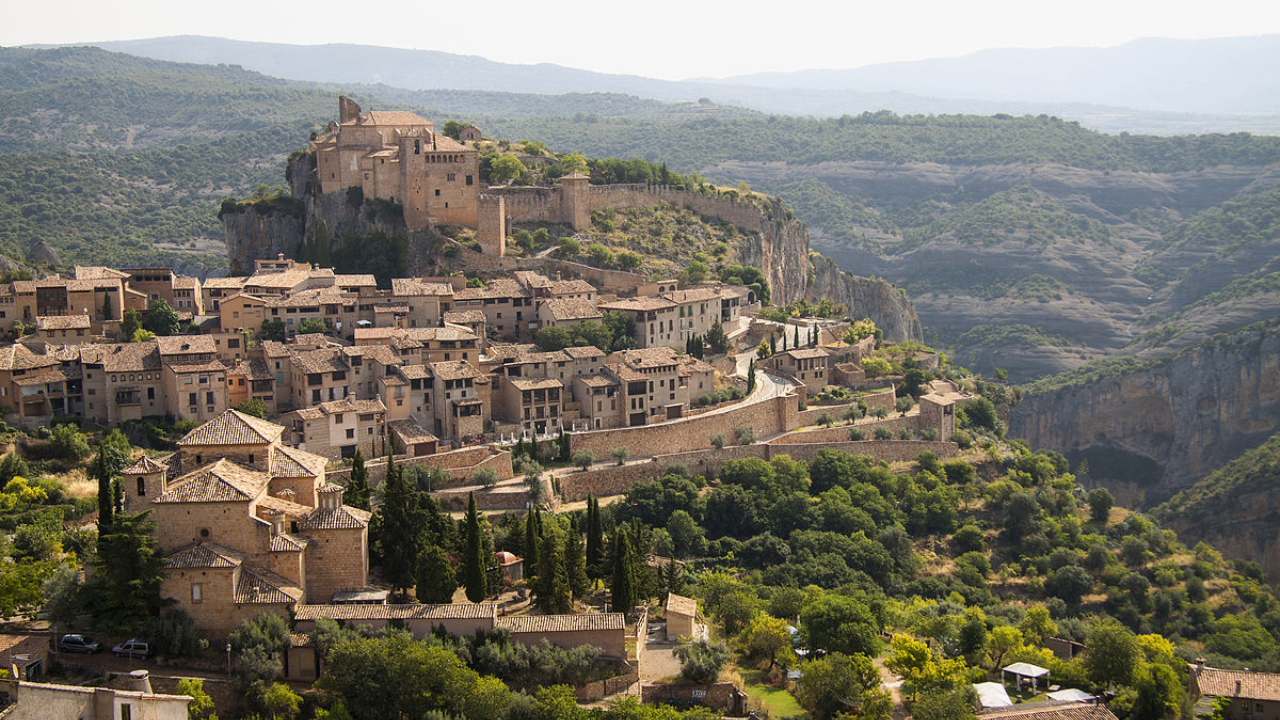
4. Alquézar
Set against the dramatic landscapes of the Sierra de Guara in Aragón, Alquézar is a striking hilltop village dominated by its medieval fortress and collegiate church. Surrounded by canyons, olive groves, and vineyards, it is a paradise for nature lovers and outdoor enthusiasts. Stone streets, panoramic views, and a strong sense of heritage make Alquézar a captivating blend of history and adventure.
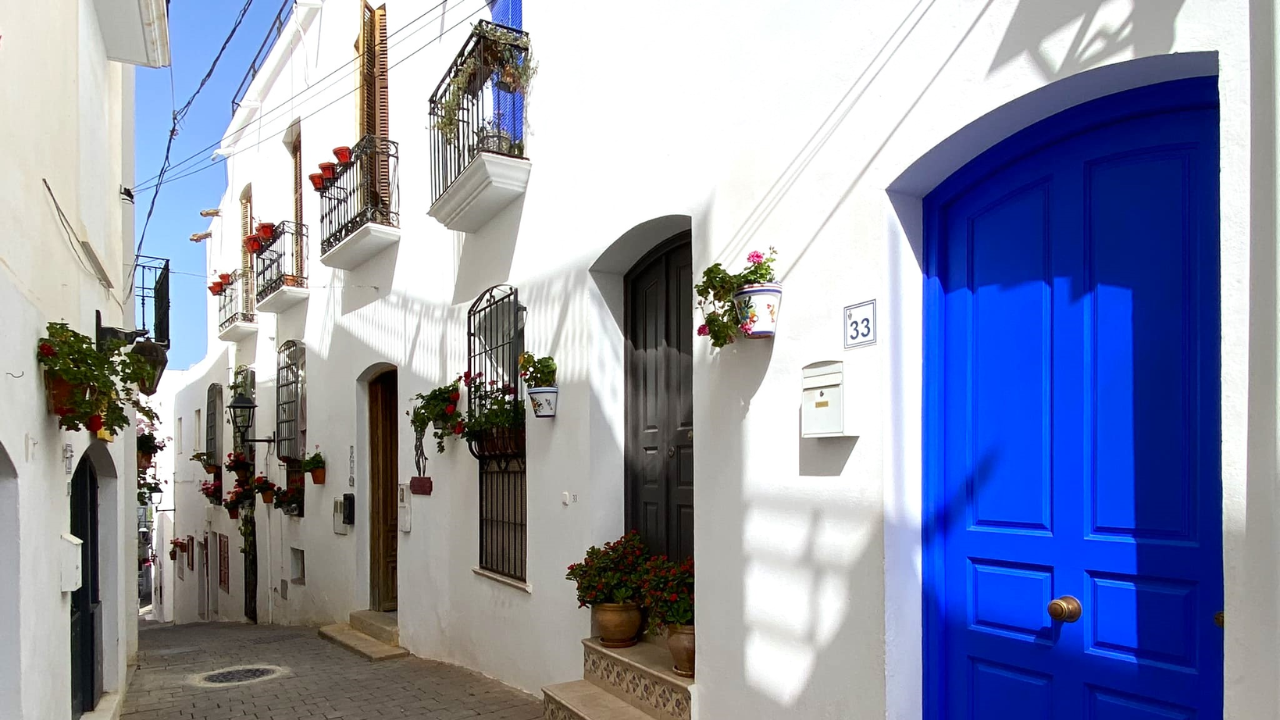
5. Mojácar
Rising above the Mediterranean on a hill in Almería, Mojácar is a dazzling white village overlooking the sea. Its labyrinth of narrow streets, flower-filled balconies, and panoramic viewpoints reflect a rich Moorish past. With its mix of traditional charm, sunny beaches nearby and a relaxed artistic vibe, Mojácar offers a unique blend of culture and coastal beauty.
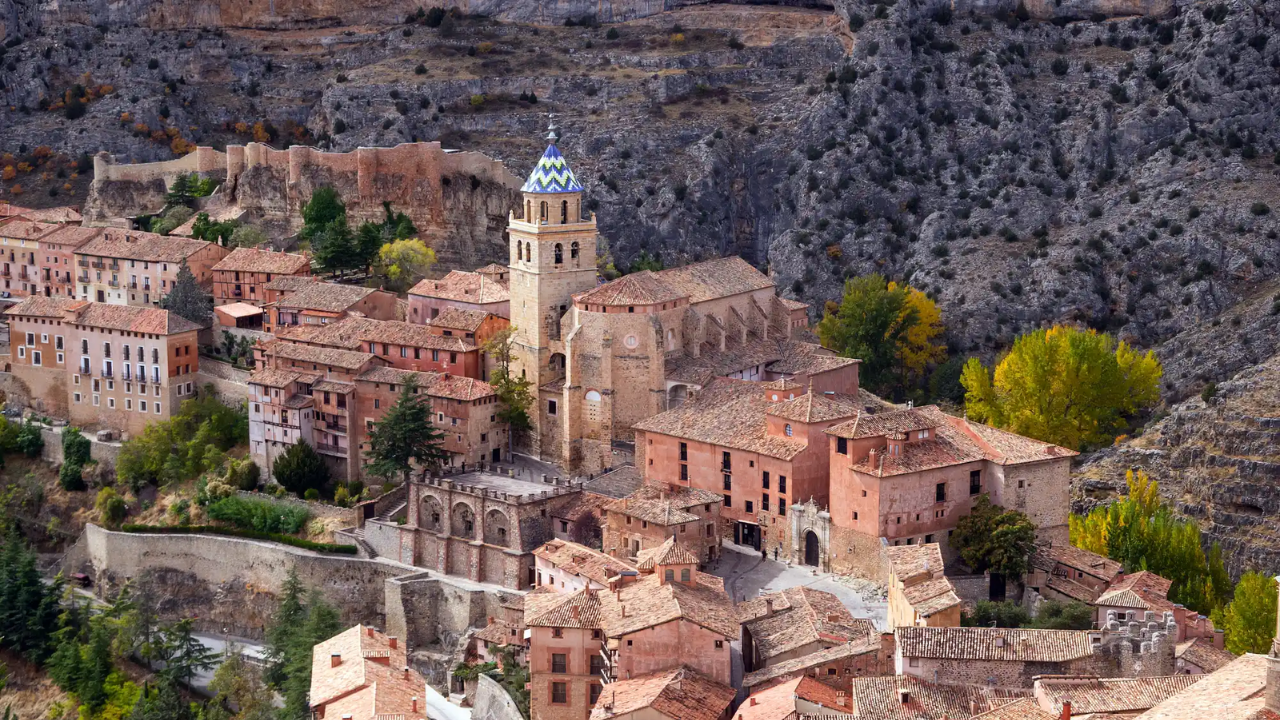
6. Albarracín
Tucked away in the hills of Aragón, Albarracín is often considered one of Spain’s most picturesque villages. Its distinctive pink-hued stone houses, ancient walls and winding streets create a fairytale-like setting. Steeped in medieval history and surrounded by rugged landscapes, Albarracín feels timeless, offering visitors an immersive journey into Spain’s past.
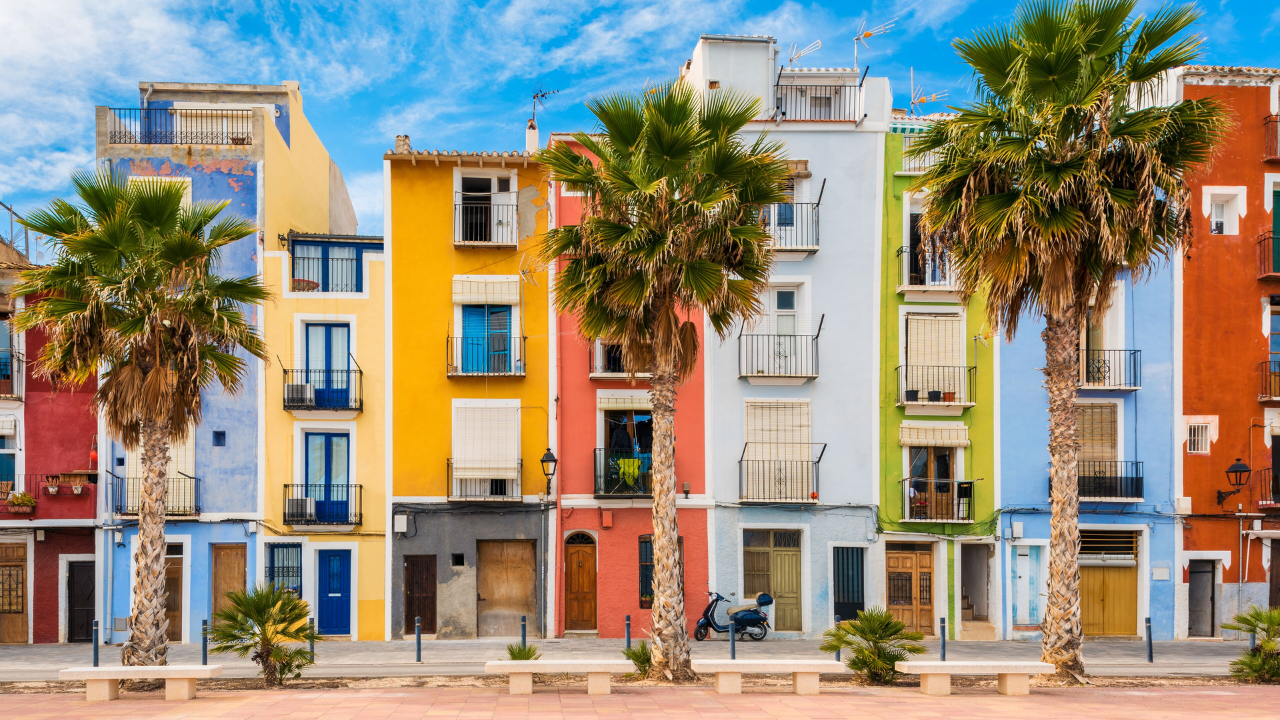
7. Villajoyosa
Located on the Costa Blanca, Villajoyosa stands out for its vibrant, multicolored houses lining the seafront. Traditionally a fishing town, its brightly painted facades once helped sailors identify their homes from the sea. Today, this small town combines a lively Mediterranean atmosphere with beautiful beaches, a charming old town, and a strong connection to local traditions.
8. Guadalupe
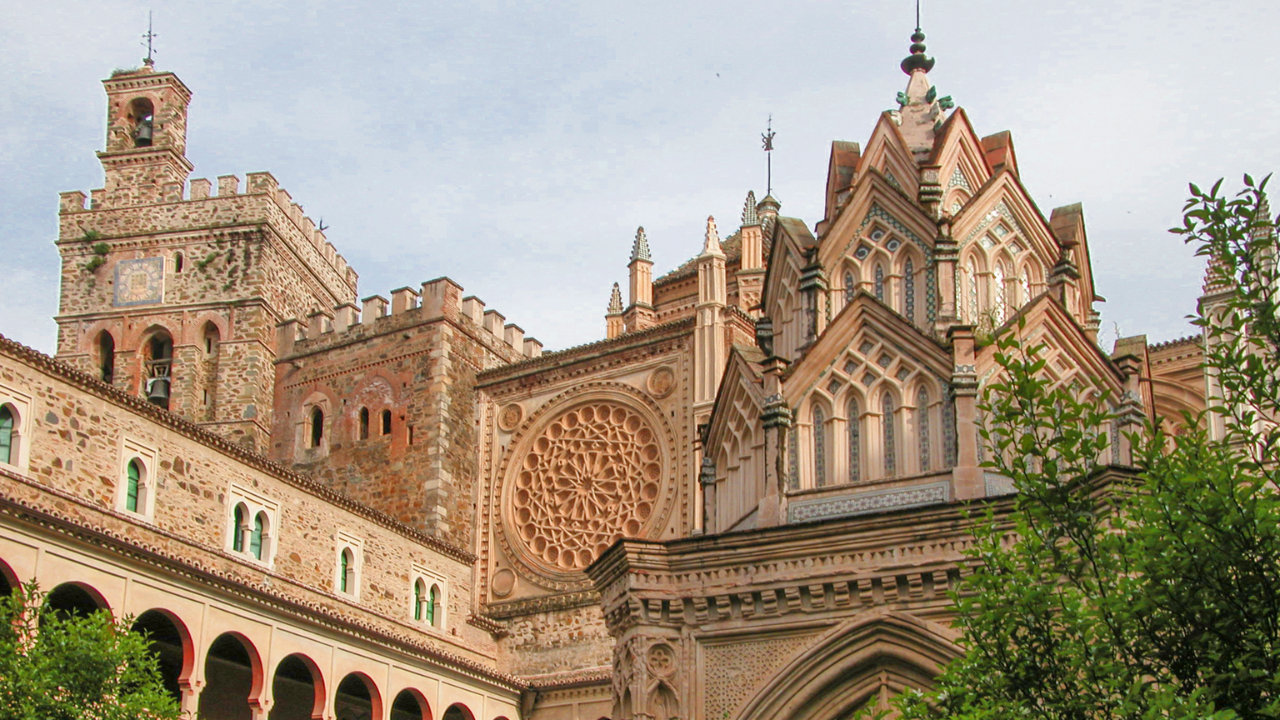
Nestled in the mountains of Extremadura, Guadalupe is renowned for its magnificent Royal Monastery, a UNESCO World Heritage Site. The village’s medieval streets, timber-framed houses, and peaceful squares are steeped in religious and historical significance. Surrounded by natural landscapes, the town offers a serene and deeply cultural experience away from Spain’s more tourist-heavy destinations.
9. Binibèca Vell
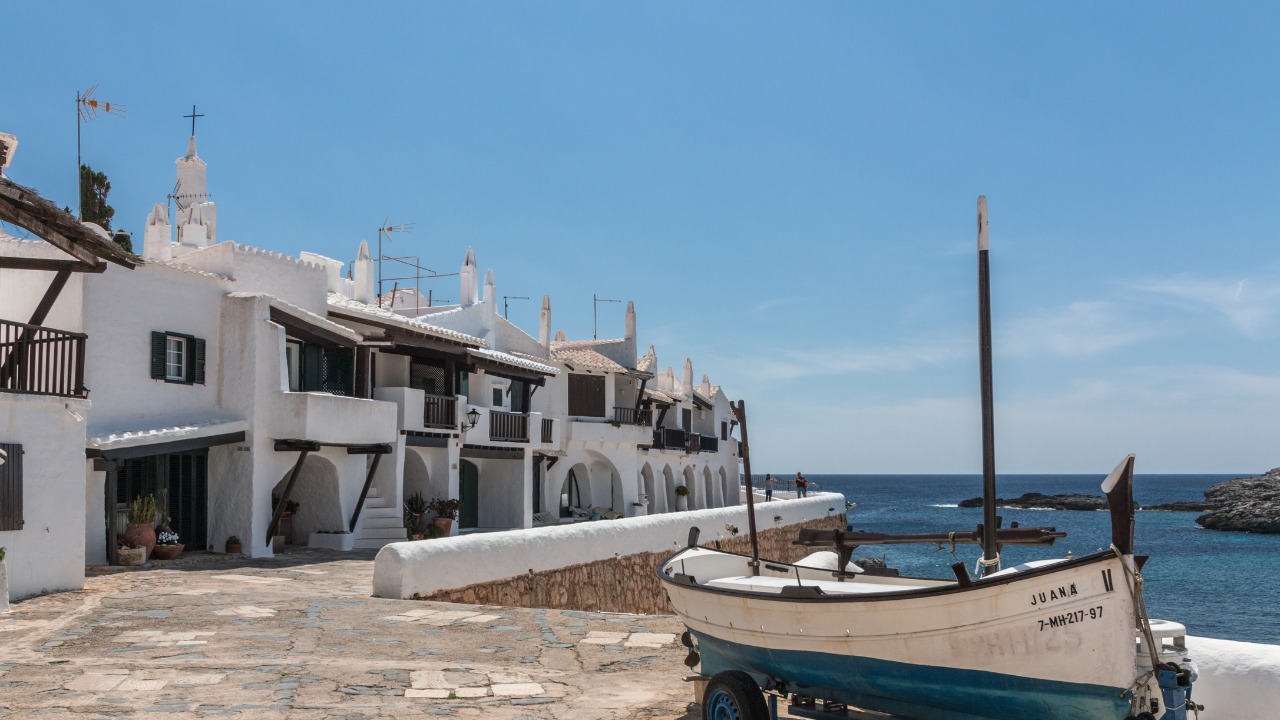
Built to resemble a traditional Menorcan fishing village, Binibèca Vell is a harmonious maze of whitewashed houses and narrow passageways. Overlooking the turquoise waters of Menorca’s southern coast, it offers a postcard-perfect setting. Its calm atmosphere, coastal views, and minimalist architecture make this small town one of the Balearic Islands’ most photogenic villages.
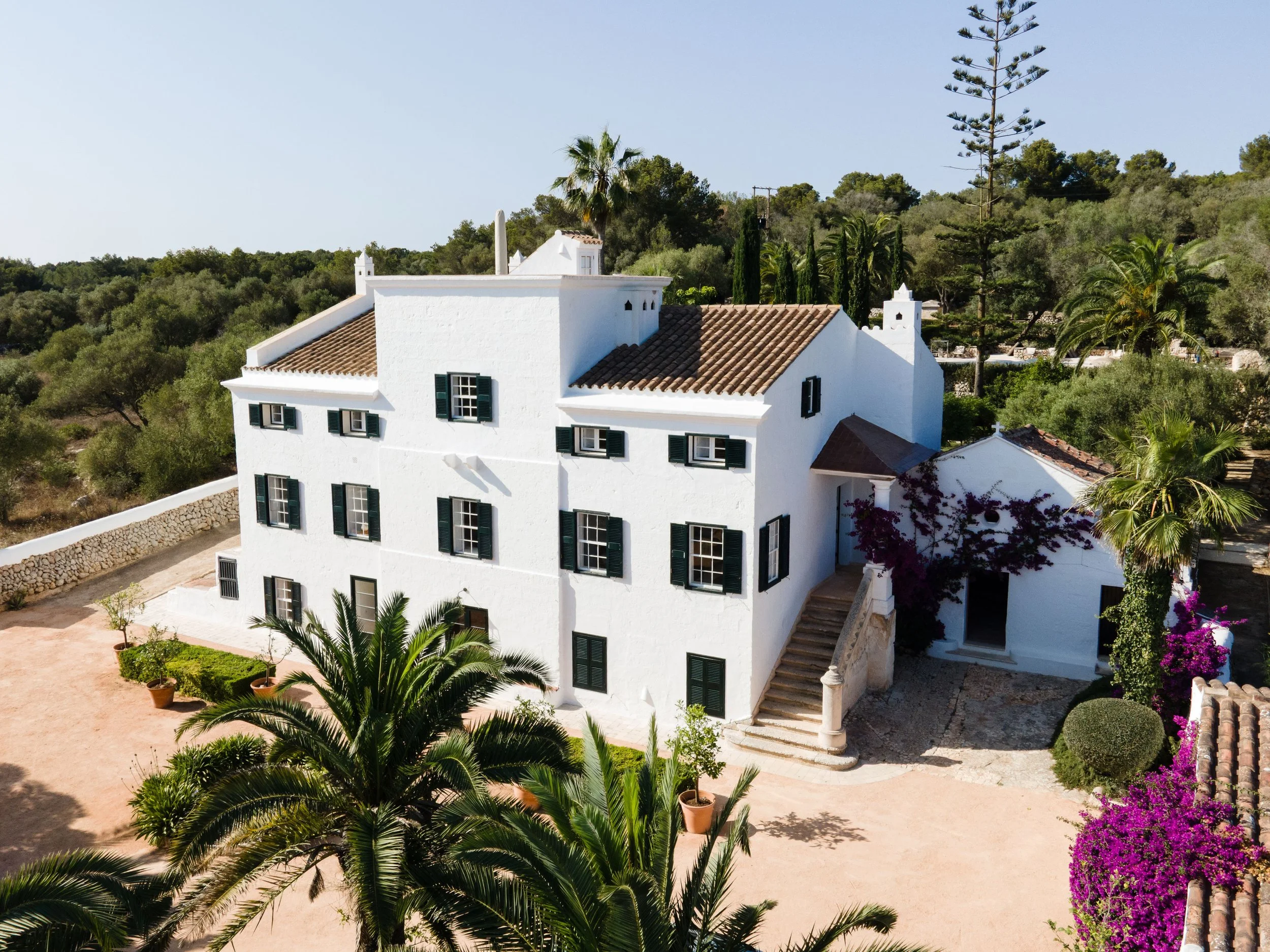
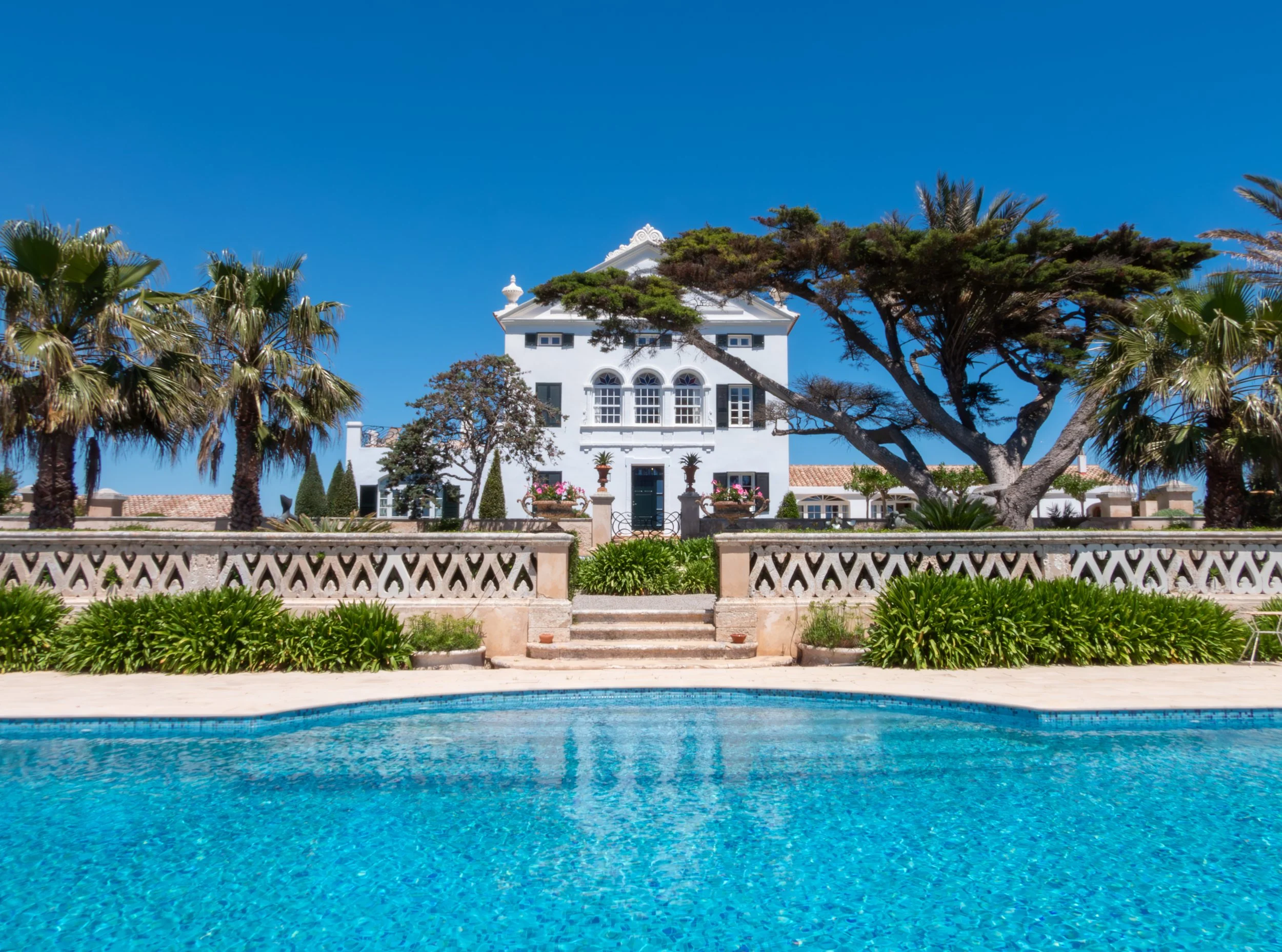
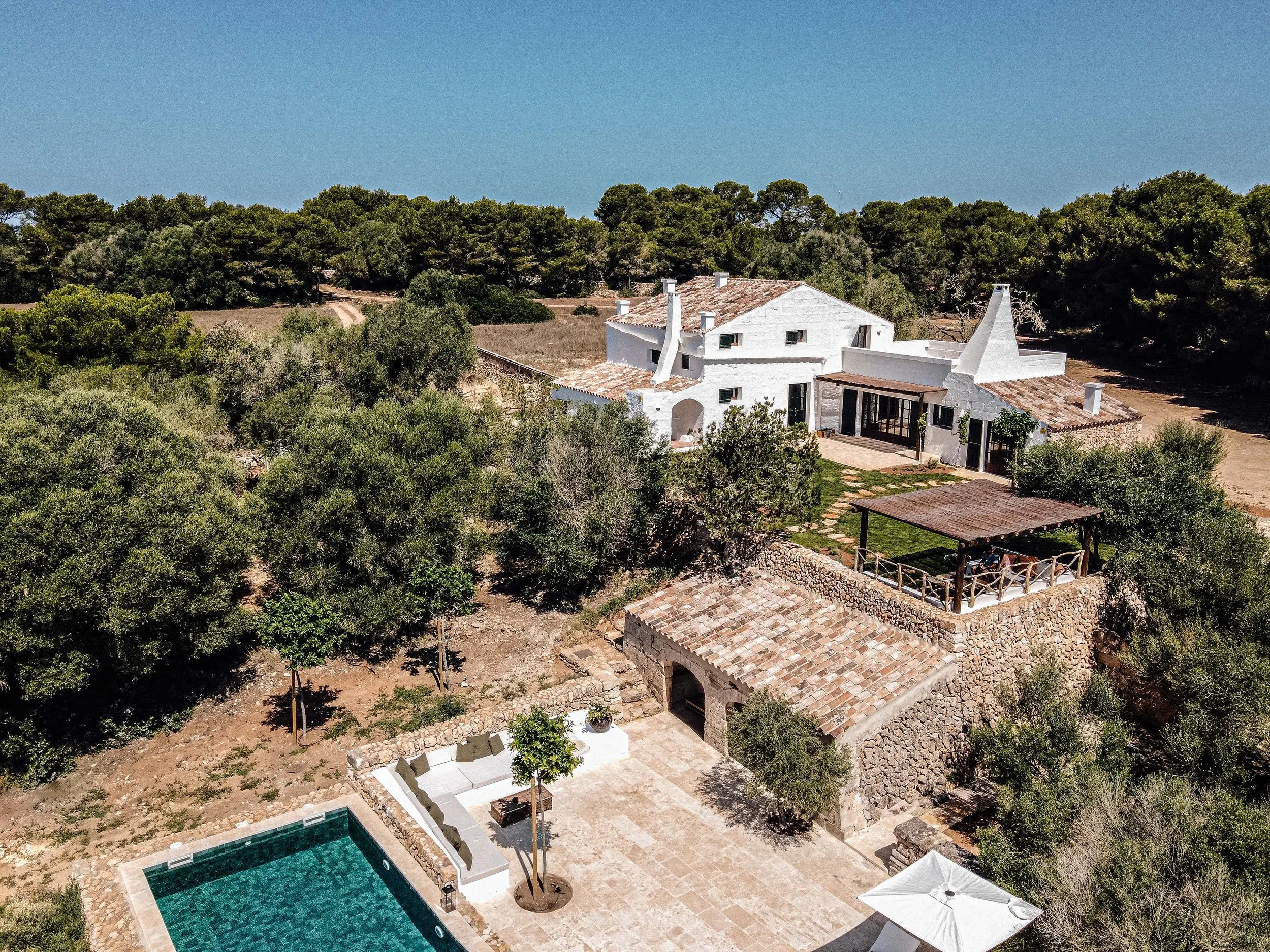
Enjoy a prolonged stay in Menorca by renting one of three luxury villas in Menorca chosen by Homanie.
10. Chinchón, Region of Madrid
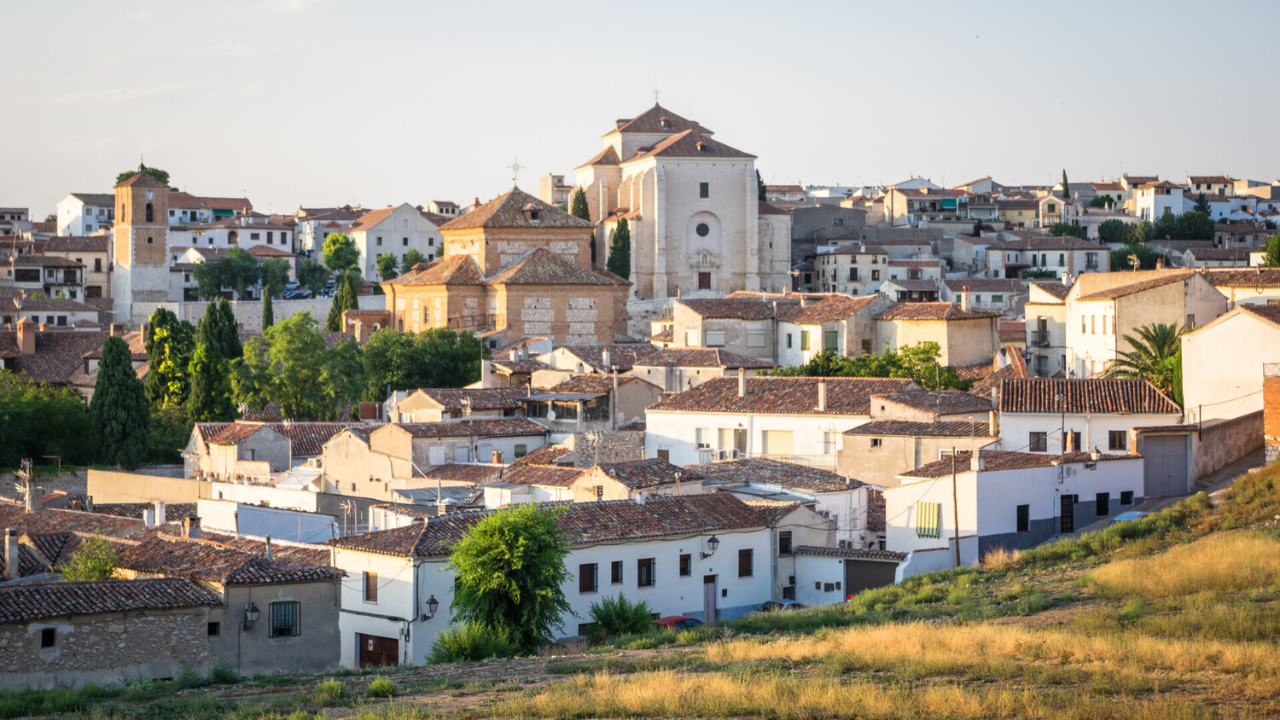
Just south of Madrid, Chinchón is celebrated for its iconic Plaza Mayor, a beautifully preserved medieval square framed by wooden balconies. The village blends Castilian tradition with a rich gastronomic heritage, particularly known for its local anise liqueur. With its hilltop castle ruins, historic streets, and authentic atmosphere, the town offers a charming rural escape close to the capital.
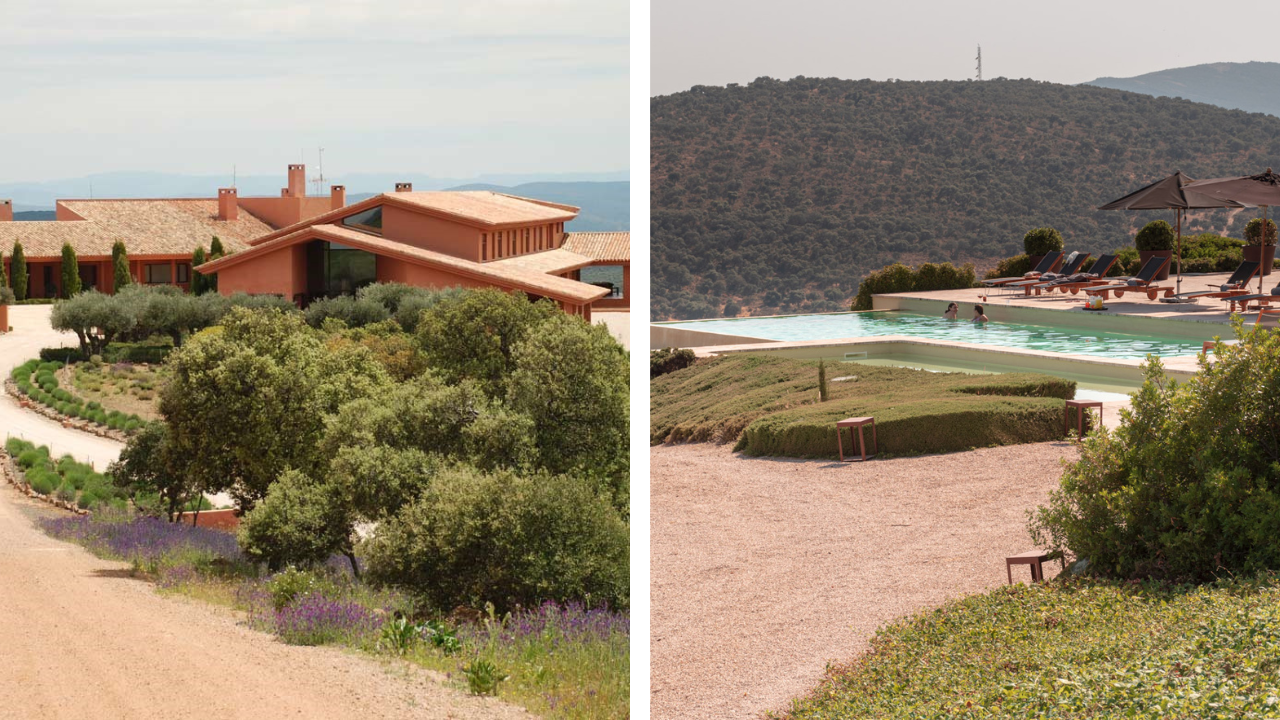
Discover our luxury villa in Castilla-La-Mancha.
Looking to experience Spain’s most beautiful villages in a more exclusive way?
Discover Homanispaine’s handpicked stays in Spain
Most beautiful villages in Spain: good to know
-
Spain does not have a single region that objectively surpasses all others when it comes to beautiful villages, but Andalusia is often cited as the region with the greatest concentration of iconic and visually striking villages.
Andalusia is home to the famous pueblos blancos (white villages) such as Ronda, Grazalema, Zahara de la Sierra, and Vejer de la Frontera, where whitewashed houses cling to hillsides overlooking dramatic landscapes. The region’s Moorish heritage, visible in architecture, fortresses, and street layouts, combines with natural settings ranging from mountain ranges to olive groves and coastal cliffs. This blend of history, light, and scenery gives Andalusian villages a powerful and instantly recognizable beauty.
That said, other regions rival Andalusia in different ways. Catalonia offers coastal gems like Cadaqués and medieval villages inland, Aragón is known for remarkably preserved historic towns such as Albarracín and Alquézar, Cantabria and Asturias stand out for lush green landscapes and stone-built villages, and the Balearic Islands charm with minimalist white villages set against turquoise waters. Ultimately, the “most beautiful” region depends on whether one is drawn to white villages, mountain scenery, Atlantic greenery, or Mediterranean coastal charm.
-
The best time to visit Spain’s most beautiful villages is generally spring (April to June) and early autumn (September to October). During these months, the weather is mild and pleasant, landscapes are at their most vibrant, and villages are far less crowded than in peak summer. Spring brings blooming countryside, comfortable temperatures for walking through historic streets, and ideal conditions for exploring hilltop or mountain villages such as Ronda, Albarracín, or Alquézar. Early autumn offers warm days, cooler evenings, and a relaxed atmosphere, often accompanied by local harvest festivals and traditional events.
Summer can be a wonderful time for coastal villages like Cadaqués, Villajoyosa, or Binibèca Vell, thanks to long sunny days and lively seaside ambiance, though inland villages may experience intense heat, especially in Andalusia and Extremadura. Winter, while quieter, can be ideal for cultural visits in milder regions such as southern Spain, offering a more authentic and peaceful experience. Overall, visiting in the shoulder seasons provides the best balance of climate, scenery, and atmosphere across Spain’s most beautiful villages.
-
Spain’s most beautiful villages are often a perfect complement to major cities. While cities like Madrid, Barcelona, or Seville impress with world-class museums, iconic landmarks, and vibrant urban life, villages offer a different and equally rewarding experience. They allow travelers to discover Spain at a slower pace, with preserved historic centers, local traditions, and a strong sense of authenticity that can be harder to find in large metropolitan areas.
Visiting these villages often means fewer crowds, closer contact with locals, and a more immersive experience. For many travelers, combining Spain’s major cities with its most beautiful villages creates a richer, more balanced journey that captures both the grandeur and the soul of the country.
-
Spain’s villages are very well suited for family travel and often provide a more relaxed and enriching experience than large cities. Their compact size makes them easy to explore with children, while pedestrian-friendly historic centres, quiet squares, and open spaces allow families to move around safely. Many villages have a strong sense of community, where local life unfolds in plazas, cafés, and markets-an atmosphere that families often find welcoming and reassuring.
In addition, Spain’s villages offer a wide range of family-friendly experiences, from beach activities in coastal towns to nature walks, castle visits, and cultural discoveries in inland regions. Furthermore, local gastronomy is generally simple and accessible.
-
The number of days needed to visit Spain’s most beautiful villages depends on how many regions you wish to explore and the pace of travel you prefer. For a short trip, 3 to 5 days is ideal to focus on one region, allowing you to visit two to four villages without rushing. This timeframe works well for areas where villages are close together, such as Andalusia’s white villages, Aragón’s historic towns, or coastal villages in Catalonia.
For a more immersive experience, 7 to 10 days allows you to explore several regions or combine villages with nearby cities or natural parks. This gives you time to enjoy local markets, landscapes, and cultural sites while embracing the slower rhythm that village life offers. Extended stays of 10 to 14 days are perfect for travelers who want to experience Spain’s diversity in depth, moving from coastal villages to mountain or inland towns. Ultimately, Spain’s most beautiful villages are best enjoyed at a relaxed pace, where quality of time matters more than the number of places visited.
-
The main difference between coastal and inland villages in Spain lies in their landscapes, lifestyle, and overall atmosphere, each offering a distinct travel experience. Coastal villages are shaped by the sea, with whitewashed or brightly colored houses, small harbors, and a strong maritime heritage. Life tends to revolve around beaches, fishing traditions, and outdoor dining, with a lively yet relaxed Mediterranean rhythm. These villages often feel brighter and more animated, especially in warmer months, and are ideal for travelers seeking sun, swimming, and scenic seaside walks.
Inland villages, by contrast, reflect Spain’s historic and rural heart. Often perched on hilltops or nestled in valleys, they feature stone architecture, medieval walls, castles, and narrow winding streets. Their pace of life is typically slower and more traditional, centered around local markets, religious festivals and agricultural landscapes such as vineyards or olive groves.